Top 10 Benefits of Microfiber Stretch Fabric You Should Know?
Microfiber Stretch Fabric has gained popularity in recent years. Its unique properties make it a preferred choice for many applications. From clothing to home décor, this fabric stands out.
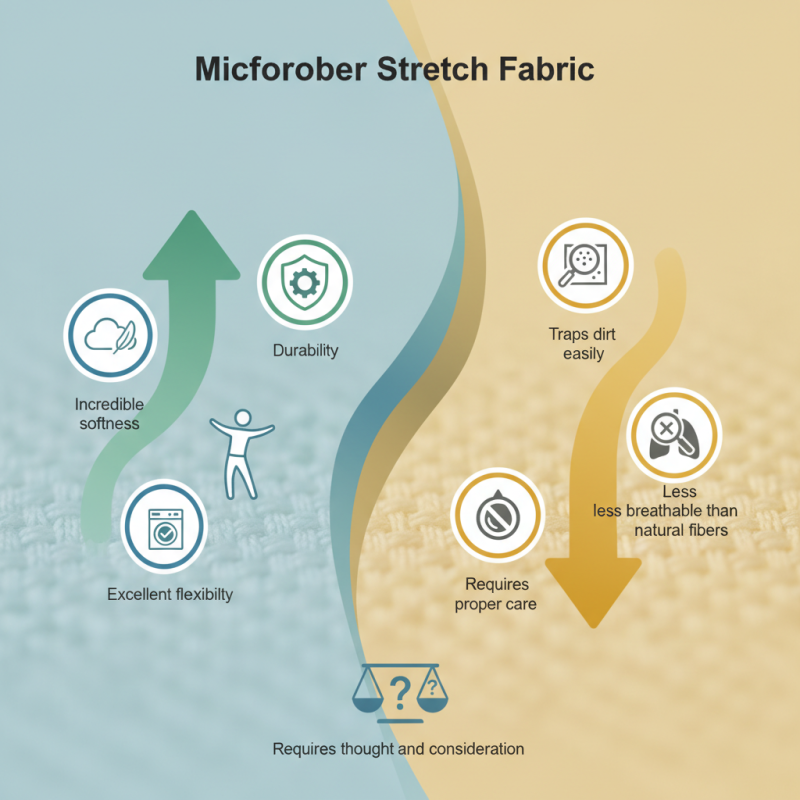
One major benefit of Microfiber Stretch Fabric is its incredible softness. It feels gentle against the skin. Another advantage is its durability. This fabric can withstand regular wear and tear, making it long-lasting. The blend of microfiber materials allows for excellent flexibility. This means it retains its shape even after multiple washes.
There are some downsides to consider. While microfiber is soft, it can sometimes trap dirt easily. Proper care is essential to maintain its appearance. Additionally, some people may find it less breathable than natural fibers. These points highlight that Microfiber Stretch Fabric is not perfect. It requires thought and consideration in its use. Overall, understanding these aspects helps in making informed choices.
What is Microfiber Stretch Fabric and How is it Made?
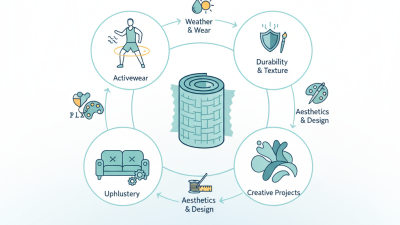
Microfiber stretch fabric is a blend of polyester and polyamide. These materials are tightly woven to create a soft, flexible surface. The unique construction allows for high elasticity while maintaining durability. This fabric is lightweight and breathable, making it ideal for various applications. Clothing, upholstery, and activewear often utilize this textile.
The manufacturing process involves splitting synthetic fibers into microscopic strands. These strands are further woven into a tight-knit fabric. The result is a soft, plush material that is both comfortable and functional. Creating this fabric takes precision and skill, as the balance between softness and strength is crucial. While the fabric is generally praised for its qualities, there are occasional concerns about its environmental impact.
Some users have noted issues with pilling over time. This can affect the appearance and longevity of garments. While microfiber stretch fabric is easy to clean and maintain, it might not be as eco-friendly as other materials. These aspects can lead to reflections on sustainability practices in fabric production. It's essential to weigh the benefits against potential drawbacks.
Exceptional Durability and Longevity of Microfiber Stretch Fabric
Microfiber stretch fabric stands out for its exceptional durability and longevity. This material can withstand daily wear and tear, making it ideal for various applications. The fibers are tightly woven, providing a strong resistance to fraying and fading. Even after multiple washes, the fabric retains its shape and color, which is often a challenge for other materials.
One highlight of microfiber stretch fabric is its incredible versatility. It can be used in clothing, upholstery, and various textiles. Items crafted from this fabric not only look good but also last longer. Imagine a pair of comfortable leggings. They stretch well, maintain their fit, and won't sag or lose elasticity. However, improper care can lead to a decline in quality.
Maintenance is essential for ensuring longevity. It’s easy to overlook proper washing techniques. Not following care instructions might lead to pilling or reduced flexibility. While microfiber is designed to be tough, neglect can cause significant wear over time. With mindful care, you can enjoy this robust fabric for years to come.
Superior Comfort: The Softness of Microfiber Stretch Fabric
Microfiber stretch fabric stands out for its exceptional softness. When you touch it, the smooth texture feels luxurious. This fabric is not just about comfort; it enhances your experience in many ways. It wraps around your body like a gentle hug, making it perfect for daily wear. Imagine slipping into your favorite outfit and feeling instantly relaxed.
Moreover, the lightweight nature of microfiber contributes to its comfort. It allows for easy movement, whether you are at home or out and about. While many fabrics can feel restrictive, this one feels liberating. Yet, not all microfiber stretch fabrics are created equal. Some may lack durability, fading over time or losing their shape after several washes. It’s essential to choose wisely, as comfort should not come at the cost of longevity.
Microfiber is also breathable, promoting airflow that keeps you cool during warmer days. However, it is vital to be mindful of potential static cling, which can be annoying. Some people may find themselves adjusting their clothing throughout the day. This minor irritant is worth considering in the comfort equation. Overall, the softness of microfiber stretch fabric offers a delightful experience, but attention to quality is essential for lasting enjoyment.
Top 10 Benefits of Microfiber Stretch Fabric You Should Know
| Benefit |
Description |
| Superior Comfort |
Microfiber stretch fabric is incredibly soft against the skin, providing a luxurious feel for everyday wear. |
| Excellent Stretchability |
This fabric offers great elasticity, allowing it to move with your body without losing shape. |
| Breathability |
Microfiber stretch fabric is breathable, helping to regulate temperature and keep you cool and comfortable. |
| Durability |
It withstands wear and tear, making it a long-lasting choice for everyday apparel and home textiles. |
| Quick Drying |
The fabric dries quickly after washing, which is convenient for those who are always on the go. |
| Hypoallergenic Properties |
Microfiber is less likely to cause allergic reactions, making it suitable for sensitive skin. |
| Easy to Care For |
This fabric is generally machine washable and requires minimal maintenance, keeping it looking fresh and new. |
| Versatility |
Microfiber stretch fabric can be used in a wide range of products, from clothing to upholstery. |
| Eco-Friendly Options |
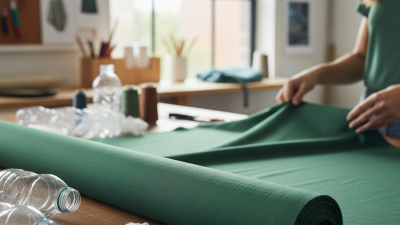
Some microfiber products are made from recycled materials, offering a more sustainable choice. |
| Stylish Appearance |
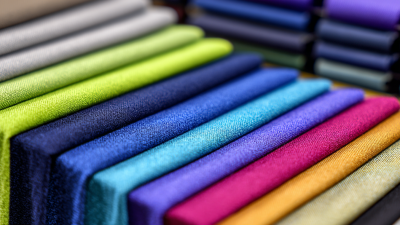
Available in various colors and patterns, microfiber stretch fabric adds a fashionable touch to any outfit. |
Breathability and Moisture Management in Microfiber Stretch Fabrics
Microfiber stretch fabric is gaining popularity for its incredible breathability and moisture management. This unique material allows air to circulate freely, keeping the body cool, even during intense activities. The tiny fibers create a mesh-like structure, promoting ventilation. This feature is particularly beneficial for athletes and active individuals.
Moreover, microfiber stretch fabric absorbs moisture efficiently. It wicks sweat away from the skin, helping the body stay dry. This quick-drying property prevents discomfort and chafing. Imagine finishing a workout without that heavy, wet feeling sticking to your clothes. However, the effectiveness can vary based on the fabric's weave and composition. Consumers often overlook these details.
While microfiber excels in breathability and moisture control, it's not without challenges. Over time, the fabric can lose its elasticity and structure. Washing and drying practices can impact durability. Users should be mindful of care instructions to prolong the life of their garments. Awareness of these factors can enhance the overall experience with microfiber stretch fabrics.
Eco-Friendly Aspects and Sustainability of Microfiber Stretch Fabric
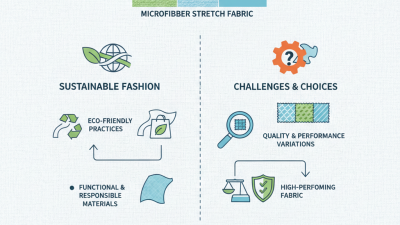
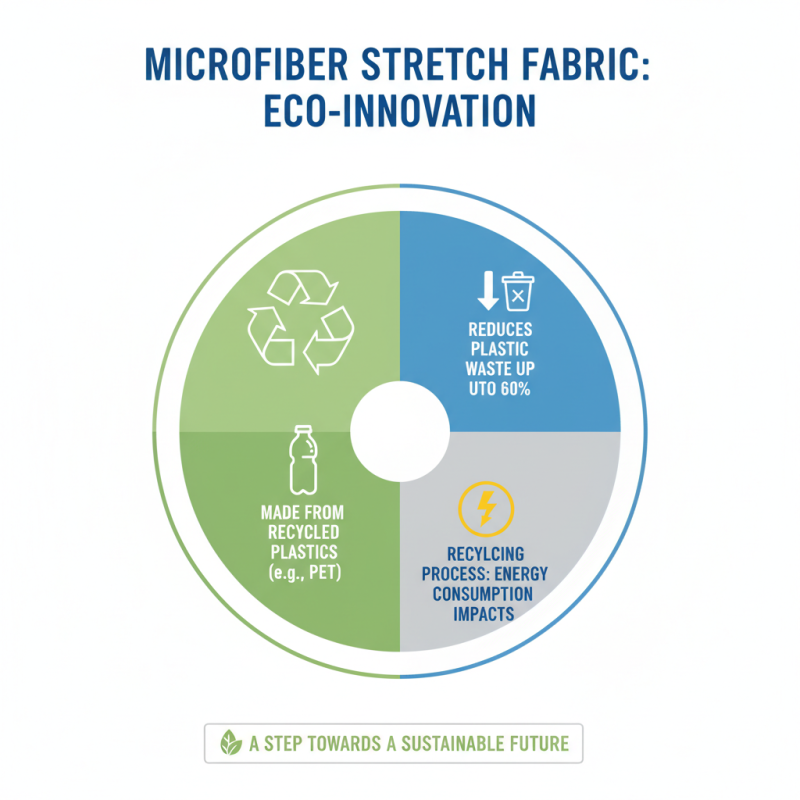
Microfiber stretch fabric is gaining attention for its eco-friendly characteristics. This material is predominantly made from recycled plastics, like PET. Reports indicate that this process can reduce plastic waste by up to 60%. This aspect is crucial given the global plastic crisis we face today. However, the journey of recycling is not flawless. The energy consumption during recycling can still impact the environment.
Sustainability also extends to the fabric's durability. Microfiber stretch fabric is known for its long lifespan. This means fewer resources are used in production over time. Yet, it raises questions about the lifecycle of synthetic materials. Many end up in landfills, contributing to pollution. Industry data suggests that microfibers are released into waterways during washing, affecting marine ecosystems.
Maintaining microfiber stretch fabric does require care. Over-washing can diminish its eco-friendliness. Some reports show that washing synthetic fabrics can release significant microplastic pollutants. Choosing biodegradable laundry options can help mitigate this issue. Therefore, it is essential to reflect on our washing habits. We should ask ourselves how to balance the convenience of these fabrics with their environmental impacts.