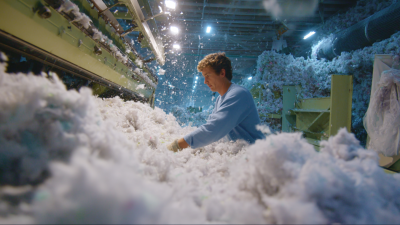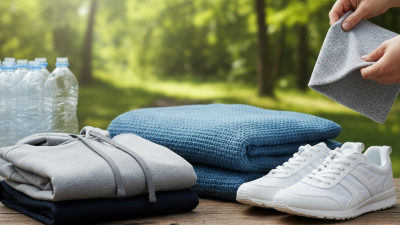
Recycled Pet Fabric has emerged as a game-changer in the textile industry. As consumers become more eco-conscious, the demand for sustainable materials has soared. This fabric, made from recycled plastic bottles, not only reduces waste but also conserves resources. Buyers can find comfort in knowing their choices can positively impact the environment.
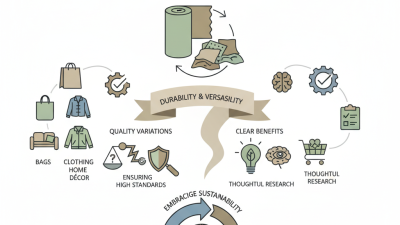
Choosing Recycled Pet Fabric is about more than just sustainability. The material is lightweight yet durable, making it ideal for various applications. From fashion to home decor, its versatility appeals to a wide audience. However, not all recycled fabrics are created equal, and it is essential to choose reputable brands. Some products may contain harmful chemicals or come from unreliable sources.
The journey of Recycled Pet Fabric presents challenges. Not all manufacturers prioritize quality. Consumers must remain vigilant. Transparency and ethical sourcing are critical in this industry. While the benefits are clear, buyers should always research brands to ensure they align with their values. Making informed choices can lead to a more sustainable future.
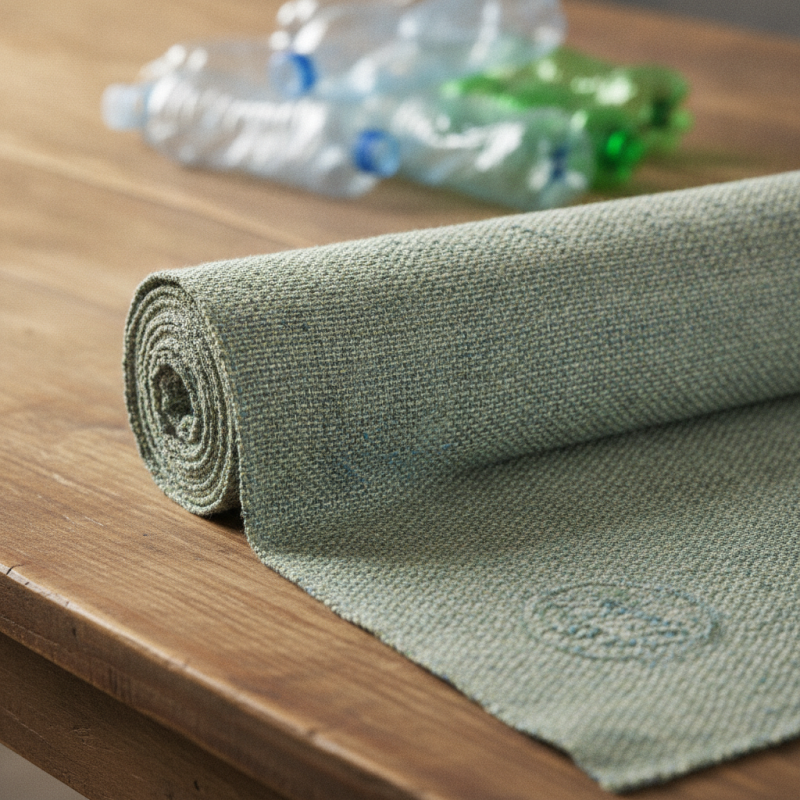
Recycled PET fabric significantly contributes to environmental sustainability. According to a 2021 report from the Environmental Protection Agency, recycling just one ton of PET can save around 7,000 gallons of water and 67 million BTUs of energy. This impact helps lessen the reliance on virgin materials, which are increasingly scarce and environmentally taxing to produce.
Additionally, the textile industry is a major polluter. The United Nations estimates that it accounts for around 10% of global greenhouse gas emissions. By choosing recycled PET fabric, consumers can help reduce this footprint. Each time a buyer opts for recycled materials, they promote a circular economy that minimizes waste and promotes sustainable manufacturing.
However, challenges still exist. Not all recycled PET fabrics are created equal, and quality can vary widely. Some products may not meet durability or performance standards. Transparency from manufacturers is crucial. Consumers must remain vigilant about the materials they choose. In the pursuit of sustainability, pushing for higher standards in recycled textiles is essential.
Choosing recycled PET fabric offers significant cost savings for consumers. Recent studies show that recycled materials can reduce production costs by up to 30%. For buyers, this translates into lower prices for high-quality textiles. Organizations like the Global Recycling Foundation emphasize that recycled fabrics require less energy and water to produce, making them more cost-effective in the long run.
Moreover, the benefits extend beyond immediate savings. The recycled PET industry continues to grow, predicted to reach a market value of over $6 billion by 2027. This expansion often leads to greater competition, driving down prices further. By opting for recycled fabrics, buyers not only save money but also support sustainable production practices.
However, it's important to recognize challenges. Recycled materials may still face issues of consistency in quality. Not all recycled fabrics perform equally well, which can lead to mixed experiences. Buyers should be informed and selective, ensuring that they choose reputable sources. Balancing cost-effectiveness with quality is key to making sustainable choices.
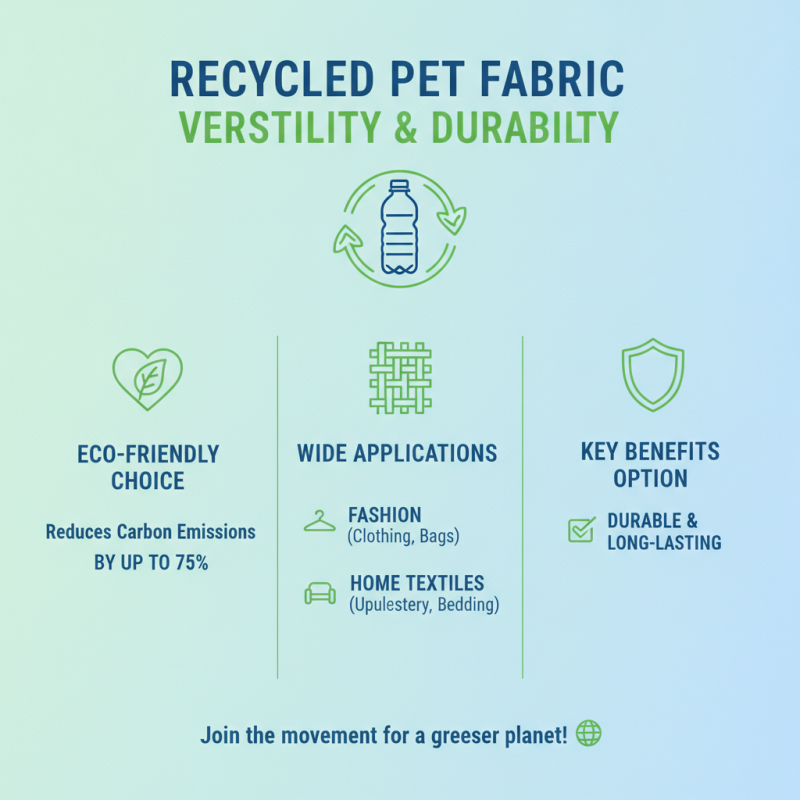
Recycled PET fabric has gained attention for its versatility and durability. It is widely used in many applications, from fashion to home textiles. Industry reports indicate that recycled PET fabrics can reduce carbon emissions by up to 75%, making them an eco-friendly choice for consumers. This significant reduction attracts environmentally-conscious buyers looking for sustainable options.
In fashion, recycled PET fabric is often used for activewear and casual clothing. The material's strength and resistance to wear ensure longevity in garments. Many outdoor brands now prioritize these fabrics, citing durability and performance. In home textiles, it can be found in upholstery and curtains, offering both style and resilience. The use of recycled materials meets rising consumer demand for sustainability without sacrificing quality.
Tips for choosing recycled PET fabric include checking certifications. Look for labels indicating the fabric's percentage of recycled content. Additionally, consider the fabric's feel and construction. Some brands may market recycled materials but compromise on quality. Always prioritize brands that commit to transparency and evidence-based practices. Ensure that the fabric not only looks good but also aligns with your values on sustainability.
Recycled PET fabric offers notable health and safety advantages that are worth considering. According to a report by the Environmental Protection Agency (EPA), using recycled materials helps reduce your exposure to harmful chemicals. Unlike virgin polyester, which may contain hazardous substances, recycled PET is less likely to release toxins. This is particularly significant for consumers who are sensitive to synthetic chemicals.
Moreover, recycled PET fabric is less prone to emitting volatile organic compounds (VOCs). A study published in the Journal of Hazardous Materials highlighted that indoor air quality can improve when using materials made from recycled content. This is especially relevant in products like clothing and home textiles, where air quality can significantly affect everyday life.
However, some challenges remain. The production of recycled materials can sometimes lead to lower durability compared to newly manufactured fabrics. This raises questions about longevity and sustainability. It's important for buyers to weigh these concerns against the broader environmental benefits. Recycling PET reduces plastic waste and conserves resources, but the trade-off in performance may be worth pondering.
| Benefit | Description | Health Advantage | Safety Advantage |
|---|---|---|---|
| Sustainability | Reduces plastic waste in landfills. | Promotes a cleaner environment. | Reduces pollution from plastic production. |
| Reduced Chemical Usage | Less reliance on virgin materials. | Lowers exposure to harmful chemicals. | Minimizes risks associated with chemical exposure. |
| Energy Efficiency | Lower energy consumption in production. | Less fossil fuel dependency. | Sustainable energy practices enhance safety. |
| Durability | High-strength fabric suitable for various uses. | Reduced need for replacements, lowering waste. | Long-lasting products minimize accidents. |
| Breathability | Enhanced air circulation in fabrics. | Improves comfort and reduces irritation. | Reduces heat-related safety issues. |
| Hypoallergenic Properties | Less likelihood of allergic reactions. | Safer for sensitive skin. | Decreases potential health hazards. |
| Cost-Effectiveness | Lower production costs for manufacturers. | Benefits consumers with lower prices. | Supports safety through accessible quality products. |
| Innovation | Encourages new technologies and processes. | Fosters healthier product options. | Innovative safety features may be developed. |
| Availability | Increased demand creates more options in the market. | Consumers benefit from diverse choices. | More reliable product sourcing reduces risks. |
| Community Impact | Supports local recycling initiatives. | Improves community health through reduced waste. | Fosters a safer, more engaged community. |
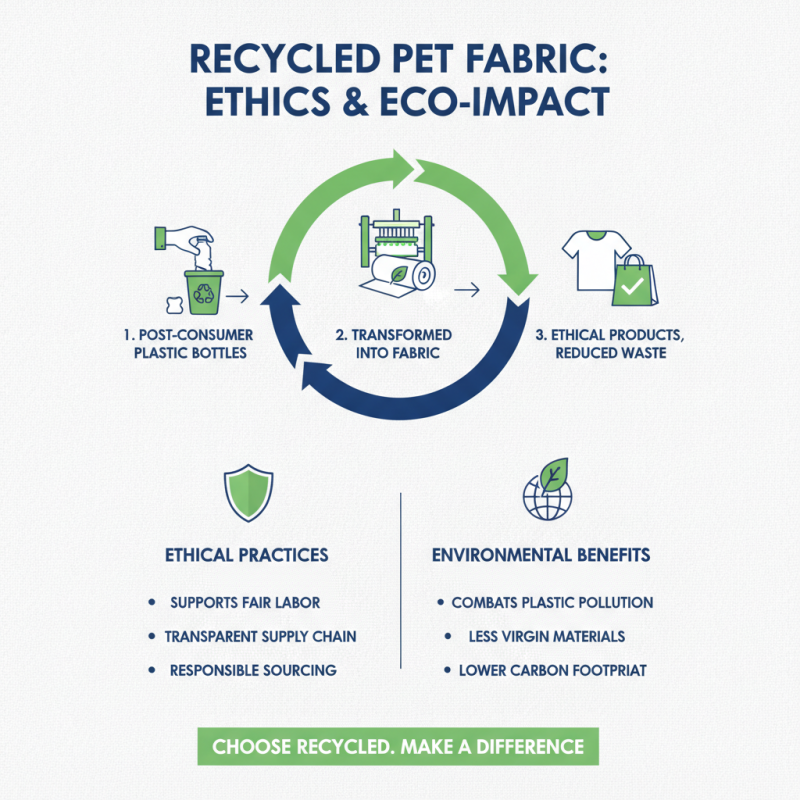
Recycled PET fabric plays a crucial role in supporting ethical practices. By choosing this material, buyers actively participate in waste reduction. The production process involves reusing post-consumer plastic bottles. This helps to combat plastic pollution, which has reached alarming levels. Every piece of recycled fabric reduces the need for virgin materials, minimizing environmental impact.
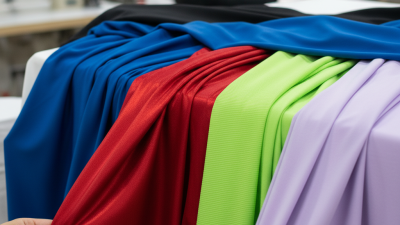
Furthermore, recycled PET fabric can be just as durable and stylish as conventional options. It offers a wide range of colors and textures. However, some may question the perceived quality of recycled materials. This skepticism is important but often unfounded. Many manufacturers now prioritize quality control, ensuring customer satisfaction.
Ultimately, supporting recycled PET fabric aligns personal choices with sustainability goals. Consumers engage in a larger movement towards eco-friendly living. Every purchase has the potential to drive demand for responsible practices. It’s essential to keep asking questions and reflect on our consumption habits. Only through awareness can we create lasting change.