What Is the Best China Microfiber Stretch Fabric Supplier?
Choosing the best China Microfiber Stretch Fabric supplier requires more than comparing online prices. The right partner should prove performance, consistency, and dependable communication. Microfiber Stretch Fabric may feel soft in a sample, yet its production behavior can change after washing, dyeing, or heat setting.
Practical sourcing experience shows that measurable details matter. Buyers should check fiber composition, fabric weight, usable width, stretch percentage, and recovery after repeated movement. A reliable supplier can provide recent laboratory reports, colorfastness results, and production samples. Ask how the factory controls yarn tension, fabric density, and shade variation across different dye lots. Small differences can become costly during garment production.
Look beyond attractive catalogs. A professional supplier should explain minimum order quantities, sampling fees, lead times, packaging, and quality inspection procedures clearly. Factory audits, customer references, and traceable business information can strengthen confidence. Certifications should be verified, not simply displayed on a website.
Details matter most.
However, no supplier is perfect. A polished sample may hide uneven edges, delayed replies, or weak recovery in bulk production. This is where careful testing becomes essential. Request a pre-production sample and compare it with approved standards before confirming a large order. The best supplier is not always the cheapest or largest. It is the company that communicates honestly, manages risks, and delivers Microfiber Stretch Fabric with stable quality over time. This guide examines those practical factors, while recognizing that every buyer’s application, budget, and compliance requirements may differ.
What Is Microfiber Stretch Fabric and Why Is It Used?
What Is Microfiber Stretch Fabric and Why Is It Used?
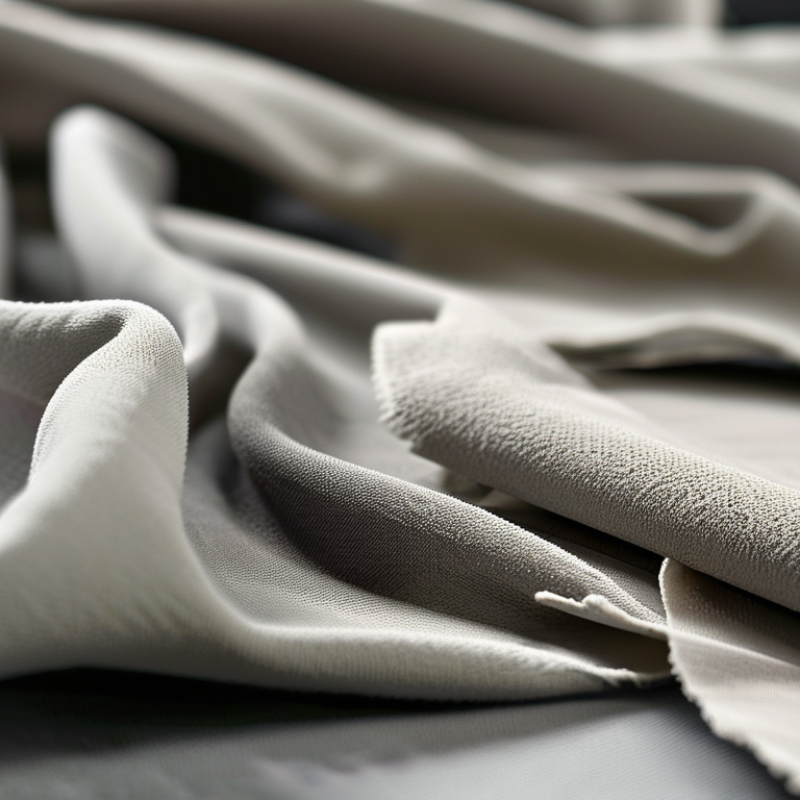
Microfiber stretch fabric combines very fine polyester or polyamide filaments with elastane. “Microfiber” describes fineness, not one specific fiber type. Each filament usually measures below one denier, creating a dense and smooth surface. Elastane provides two-way or four-way stretch and recovery. In practical wear testing, the fabric feels soft, dries quickly, and follows movement around the shoulders, knees, and waist. Textile Exchange’s Materials Market Report 2024 estimates global fiber production reached 124 million tonnes in 2023. Polyester represented about 57% of that volume. This scale supports wide microfiber availability. It does not guarantee quality. A fabric may feel luxurious but lose recovery after repeated washing.
The fabric is common in sportswear, swimwear, underwear, uniforms, and fitted travel clothing. Designers value its light weight, abrasion resistance, moisture management, and shape retention. Yet performance depends on construction, not fiber names alone. A reliable China supplier should provide GSM, width, blend ratio, stretch percentage, recovery results, colorfastness data, and shrinkage records. Request a washed sample. Check it after twenty to thirty home-style wash cycles, if possible. The Global Fashion Agenda and McKinsey report that fashion creates about 2.1 billion tonnes of greenhouse-gas emissions annually. Recycled inputs may reduce impact, but claims need traceable documentation. I would question very cheap quotations. They can hide unstable elastane or uneven dyeing. “Soft” is a touch test, not a specification. Supplier selection should combine laboratory evidence, factory experience, and honest communication. It is not perfect, but measurable.
How to Compare Fabric Quality, Certifications, and Production Capabilities?
What Is the Best China Microfiber Stretch Fabric Supplier?
Choosing a microfiber stretch fabric supplier requires more than comparing price lists. Start with fabric performance. Request samples and check GSM, fiber composition, stretch percentage, recovery, pilling, colorfastness, and shrinkage. A fabric may feel soft in hand but lose shape after washing. Test it under realistic conditions, including repeated stretching and machine washing.
Certifications should be verified, not simply displayed on a website. Ask for current certificates, issuing organizations, test methods, and product scope. Independent laboratory reports can confirm restricted-substance control, color performance, and durability. Production capability also matters. Review knitting equipment, dyeing processes, finishing options, quality-control stages, minimum order quantities, and average lead times. Ask whether each batch has traceable inspection records.
Tips:
Compare identical specifications across suppliers. Keep sample labels and test results. Visit the factory when possible, or arrange a live video inspection. A polished sample can still hide inconsistent production. I have learned that small differences in yarn tension can change fabric recovery noticeably. Do not rely on one successful trial. Request a second sample from another production lot, then compare width, weight, shade, and stretch. Suppliers who explain weaknesses clearly often appear more dependable than those promising flawless results. Some details remain uncertain until bulk production begins.
What Should Buyers Check About Pricing, Minimum Orders, and Lead Times?
What Is the Best China Microfiber Stretch Fabric Supplier?
What Should Buyers Check About Pricing, Minimum Orders, and Lead Times?
The best supplier is rarely the one offering the lowest quotation. Buyers should compare fabric composition, GSM, usable width, stretch recovery, and finishing costs. Ask whether the price covers dyeing, inspection, packing, and export documentation. A price per kilogram can look attractive. Yet, fabric width may reduce the real value. Request a clear quotation with unit, currency, trade terms, and validity period. Small details matter.
Minimum order quantities need careful attention. Separate the sample quantity from the production MOQ. Some mills accept small trial orders but charge higher setup or dyeing fees. Ask whether different colors require separate minimums. For a new garment program, a smaller first order can reduce inventory risk. However, it may increase the fabric cost. Buyers sometimes overlook this trade-off.
Lead times should be confirmed in writing. Request separate dates for lab dips, sample yardage, bulk production, and final inspection. Confirm when the clock starts. It should begin after payment, color approval, or both. Production schedules can change during holidays or peak seasons. Promises can sound precise. A realistic supplier explains possible delays and gives progress updates. Leave time for testing, rework, and transport. That buffer may feel excessive, but rushed fabric decisions often create larger costs.
What Is the Best China Microfiber Stretch Fabric Supplier? - What Should Buyers Check About Pricing, Minimum Orders, and Lead Times?
| Anonymous Supplier Profile |
Typical Fabric Specification |
Indicative Price Range
(USD/kg) |
Typical MOQ |
Sample Lead Time |
Bulk Lead Time |
Important Buyer Checks |
Supplier Profile A
Large-scale mill with in-house knitting and dyeing |
80% polyester / 20% spandex
Approximately 180–220 gsm
Four-way stretch |
$4.20–$6.80 |
500–1,000 kg per color |
5–10 days |
25–40 days after approval |
Confirm colorfastness, fabric width, roll length, stretch recovery, and whether dyeing is performed in-house. |
Supplier Profile B
Mid-sized converter specializing in custom finishes |
88% polyester / 12% spandex
Approximately 160–200 gsm
Brushed or peach finish |
$4.80–$7.50 |
300–600 kg per color |
7–14 days |
30–45 days after lab-dip approval |
Check pilling resistance, hand feel consistency, finish durability after washing, and surcharge for small color lots. |
Supplier Profile C
Export-oriented factory serving small and medium orders |
75% nylon / 25% spandex
Approximately 190–240 gsm
Soft, high-recovery stretch |
$6.20–$9.20 |
200–500 kg per color |
5–12 days |
20–35 days after confirmation |
Verify nylon content, chlorine and sunscreen resistance where relevant, recovery percentage, and testing standards. |
Supplier Profile D
Trading and sourcing partner using outsourced production |
90% polyester / 10% spandex
Approximately 150–180 gsm
Single- or two-way stretch |
$3.60–$5.80 |
100–300 kg per color |
7–15 days |
35–55 days after order confirmation |
Identify the actual mill, confirm production capacity, request pre-shipment inspection, and clarify responsibility for defects. |
Supplier Profile E
Technical fabric producer with recycled-material options |
Recycled polyester / spandex blends
Approximately 170–230 gsm
Moisture-management options |
$5.20–$8.60 |
500–1,000 kg per color |
10–18 days |
35–50 days after certification and color approval |
Request valid recycled-content certificates, test moisture management, confirm traceability, and check whether certification fees are included. |
Buyer Evaluation Checklist
- Compare prices using the same fiber composition, weight, width, finish, quantity, and Incoterm.
- Ask whether the quoted price includes knitting, dyeing, finishing, packing, testing, and export documentation.
- Confirm MOQ separately for stock colors, custom colors, custom finishes, and repeat orders.
- Request a written production schedule covering lab dips, bulk approval, inspection, packing, and shipment.
- Approve a pre-production sample and define acceptable tolerances for GSM, width, shade, shrinkage, and stretch recovery.
- Treat all figures as indicative market ranges; obtain a current quotation and verify production capacity before placing an order.
How Can Businesses Select and Verify the Best Supplier?
Selecting the best China microfiber stretch fabric supplier requires evidence, not attractive samples. Textile Exchange’s 2024 Materials Market Report estimates global fiber production reached 124 million tonnes in 2023. Polyester represented 57% of that volume. This scale makes traceability and consistent quality especially important. Ask suppliers for fiber composition, GSM, usable width, shrinkage, and elastane content. Request samples from several production lots, not one hand-selected roll. A glossy sample can still mislead.
Test the fabric through an independent laboratory. Check stretch and recovery under ASTM D2594, pilling under ISO 12945-2, and colorfastness under ISO 105-C06. Record results beside the supplier’s internal certificate of analysis. Differences should be explained clearly. Verify factory capacity, production equipment, inspection procedures, and lot-tracking records through a documented audit. Also confirm whether recycled-content claims follow Textile Exchange chain-of-custody requirements, where applicable. Do not rely on photographs alone. Ask for a sealed bulk sample and compare it after washing, abrasion, and repeated stretching. No checklist is flawless. A weak point remains: laboratory testing may not reflect every sewing or dyeing condition. For that reason, buyers should run a small production trial before signing larger contracts and keep written acceptance limits for width, weight, shade, and recovery.