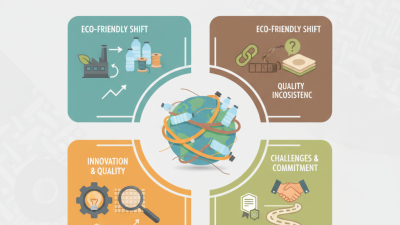
2026 Best Recycled Polyester Fabric Options for Global Buyers?
The global demand for Recycled Polyester Fabric continues to rise. According to the Textile Exchange's 2022 Material Sustainability Index, the use of recycled polyester could reduce CO2 emissions by up to 32% compared to virgin polyester. This shift is crucial as the fashion industry battles environmental concerns. Experts like Dr. Emily Hart, a leader in sustainable textile research, emphasize, "Recycled polyester is not just a trend; it’s a necessity for a sustainable future."
As brands increasingly commit to sustainability, they seek the best options for Recycled Polyester Fabric. The market is booming, with innovations improving quality and performance. A report by Mordor Intelligence highlights that the recycled polyester market is projected to reach $11 billion by 2026. This provides opportunities for global buyers to invest in high-quality, eco-friendly fabrics while reducing their carbon footprint.
However, challenges remain. Not all recycled polyester is created equal. The sourcing of raw materials and processing methods vary widely. Buyers must be diligent in evaluating suppliers to ensure they meet genuine sustainability standards. As the industry evolves, so too must buyer expectations. Recycled Polyester Fabric options are available, but scrutiny and informed decisions are essential for true environmental impact.
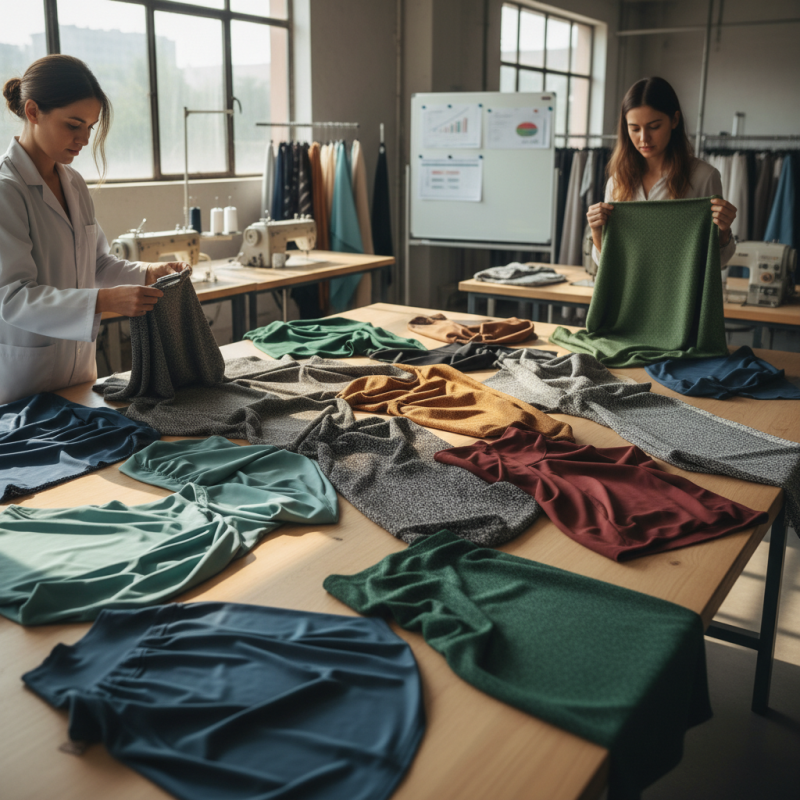
Overview of Recycled Polyester Fabric and Its Benefits
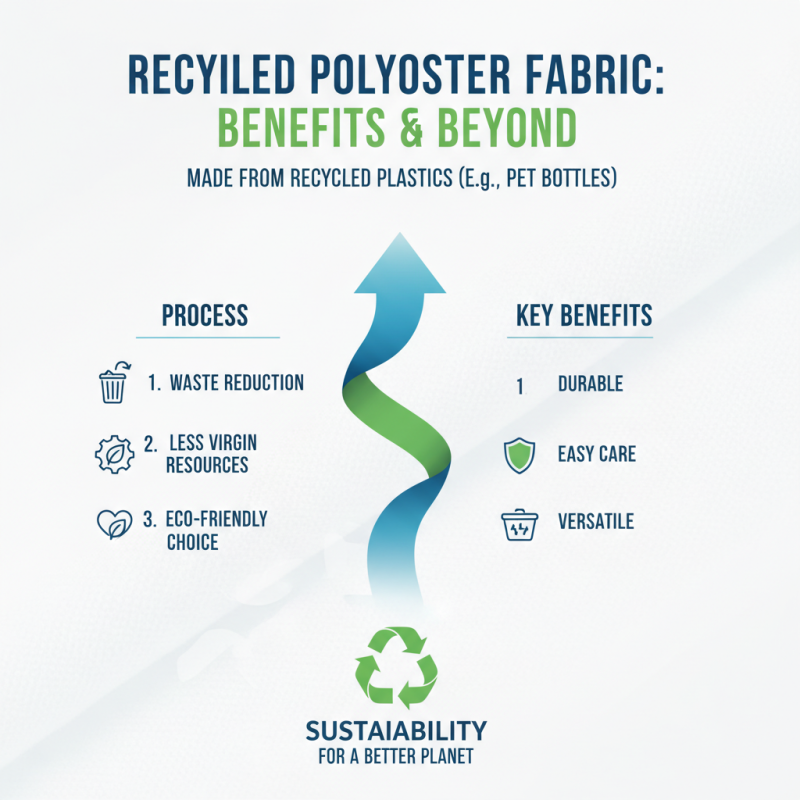
Recycled polyester fabric is a popular choice among eco-conscious consumers. It is made from recycled plastics, mainly PET bottles. By utilizing this material, we reduce waste and lessen our reliance on virgin resources. The benefits are substantial. Recycled polyester is durable, easy to care for, and versatile.
One key advantage is its reduced environmental impact. Producing recycled polyester consumes less energy compared to virgin polyester. This results in lower greenhouse gas emissions. Additionally, it helps divert plastic waste from landfills. However, not all recycled polyester fabrics are created equal. Some may contain blends that diminish their environmental benefits.
**Tips:** When selecting recycled polyester, check for certifications. Look for products that confirm sustainability claims. Pay attention to the fabric's feel and durability. A soft, strong fabric enhances usability. Always consider the source of the recycled materials used in production. Make informed choices for a greener future.
Top Global Suppliers of Recycled Polyester Fabric in 2026
As global demand for sustainable materials grows, recycled polyester fabric has become increasingly vital. The International Trade Centre (ITC) reported that in 2022, the global market for recycled polyester reached approximately $9.5 billion and is projected to grow at a CAGR of 10.5% through 2026. This shift reflects a larger trend toward eco-friendly textiles among consumers and brands alike.
Top suppliers of recycled polyester are emerging as leaders in this space. Countries like China, Italy, and the USA dominate the market, driven by robust manufacturing capabilities and innovative recycling technologies. However, not all suppliers prioritize environmental impact, calling for a deeper evaluation of sourcing practices.
While advancements in technology have improved the quality of recycled polyester, challenges remain. Issues such as inconsistent material quality and limitations in recycling capacity must be addressed. Transparent supply chains are essential for fostering trust among buyers. According to the Global Recycled Standard (GRS), only a fraction of recycled materials meets rigorous quality and sustainability criteria. This creates an opportunity for suppliers committed to responsible practices to stand out in the marketplace.
Key Factors to Consider When Choosing Recycled Polyester Fabric
When choosing recycled polyester fabric, several factors come into play. The quality of the fabric is vital. Buyers should assess its durability, as this impacts long-term usage. Fabrics that fray easily may not be suitable for certain applications. Remember, a more robust fabric often means longer-lasting products.
The sourcing of recycled polyester matters, too. Understanding where the material comes from can inform your decision. It is essential to gauge if ethical practices are in place during the recycling process. Transparency in the supply chain builds trust and reliability. Engage with suppliers who share their sourcing stories.
Consider the environmental impact as well. Recycled polyester significantly reduces waste but still requires energy during production. Evaluate the carbon footprint associated with its manufacturing. Look for innovations aimed at minimizing this footprint. As the market evolves, some options may emerge that are more sustainable than others. Balancing quality, ethics, and sustainability ensures a thoughtful choice.
Innovative Applications of Recycled Polyester in Various Industries
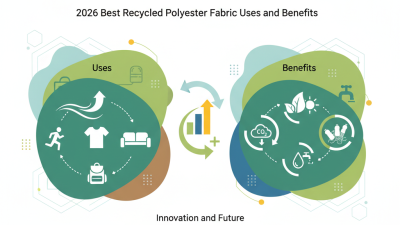
Recycled polyester is making waves across various industries, showcasing innovative applications.
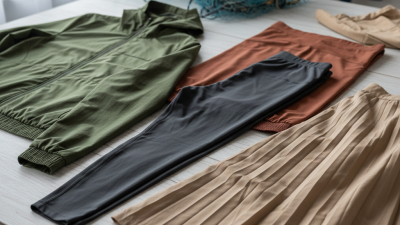
In the fashion sector, brands are utilizing this sustainable fabric to create trendy apparel.
By turning plastic waste into high-quality fibers, companies reduce pollution and promote environmental responsibility.
For instance, many outdoor gear manufacturers are sourcing recycled polyester for jackets and backpacks.
This not only helps the planet but also meets consumer demand for sustainable options.
Beyond fashion, the automotive industry is also embracing recycled polyester.
Car manufacturers are integrating this fabric into seat covers and interiors.
The durability and lightweight nature of recycled polyester make it a practical choice for automotive applications.
While many organizations are committed to sustainability, challenges remain.
The recycling process can sometimes compromise material quality.
Continued innovation in recycling technology is essential for improving the overall performance of recycled materials.
In the home goods sector, recycled polyester is transforming the way we think about textiles.
From carpets to curtains, this fabric offers versatility and design potential.
However, consumers must be aware of potential downsides. Variability in the source of recycled fibers can affect consistency.
Transparency in sourcing is crucial for ensuring high standards.
As industries continue to explore applications for recycled polyester, there is a collective push for improvement and accountability.
Future Trends in Recycled Polyester Fabric Production and Use
The landscape of recycled polyester fabric production is rapidly evolving. As environmental concerns rise, many companies are pivoting towards sustainable solutions. In 2022, the global market for recycled polyester was valued at approximately $6.78 billion. This figure is expected to reach $9.54 billion by 2026, reflecting a compound annual growth rate of 7.9%. This growth is fueled by increased demand for sustainable textiles from both consumers and manufacturers.
Future trends indicate a move towards innovative production methods. Technologies such as chemical recycling are gaining traction. Unlike traditional mechanical recycling, chemical recycling can process a broader range of materials. Reports show that chemical recycling can achieve higher purity levels, making fabrics more suitable for premium applications. However, challenges remain. Adoption rates for these technologies are slow. Investment in infrastructure and R&D is crucial.
Another significant trend is the rise in consumer awareness. More buyers are seeking transparency in textile sourcing. In a recent survey, 70% of consumers reported they prefer brands that prioritize sustainability. This shift could further push manufacturers to adopt recycled polyester. However, the industry must address potential pitfalls, like the quality of recycled fibers. Not all recycled polyester meets the high standards required for premium products. Addressing these concerns is essential for long-term success.
2026 Best Recycled Polyester Fabric Options for Global Buyers
| Fabric Type |
Recycling Process |
Applications |
Sustainability Rating |
Estimated Cost per Yard |
| Standard Recycled Polyester |
Mechanical Recycling |
Apparel, Home Textiles |
B+ |
$5.00 |
| High-Performance Recycled Polyester |
Chemical Recycling |
Sportswear, Outdoor Gear |
A |
$7.50 |
| Eco-Friendly Blended Polyester |
Mechanical Recycling |
Fashion, Home Decor |
A- |
$6.00 |
| Recycled Polyester with Moisture-Wicking |
Chemical Recycling |
Athletic Wear, Active Lifestyle |
A+ |
$8.00 |
| Recycled Polyester Canvas |
Mechanical Recycling |
Bags, Upholstery |
B |
$4.50 |