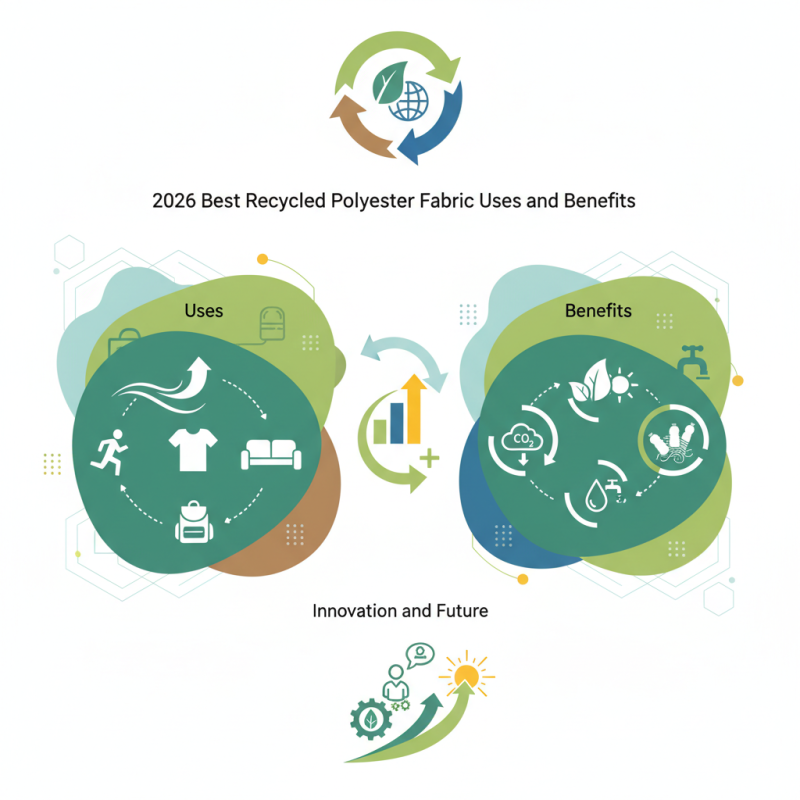
2026 Best Recycled Polyester Fabric Uses and Benefits?
In recent years, the importance of sustainability in the textile industry has surged, particularly for Recycled Polyester Fabric. According to a report by Textile Exchange, the use of recycled materials in apparel can reduce carbon emissions by 45%. With the global demand for eco-friendly fabrics increasing, Recycled Polyester has emerged as a frontrunner.
Experts, such as Dr. Emily Carter, highlight the fabric's potential. She states, “Recycled Polyester Fabric not only conserves resources but also transforms waste into valuable products.” This perspective emphasizes the innovative possibilities within the industry. However, challenges remain—quality inconsistencies and limited availability hinder broader adoption.
The diverse applications of Recycled Polyester Fabric span from activewear to home textiles. Brands are increasingly integrating it into their collections, yet some consumers remain unaware of its benefits. We must continue educating the market about its advantages and address lingering concerns regarding durability and comfort. Sustainability is a journey. As we embrace it, the path of Recycled Polyester Fabric is still evolving.
The Rise of Recycled Polyester Fabrics in Sustainable Fashion
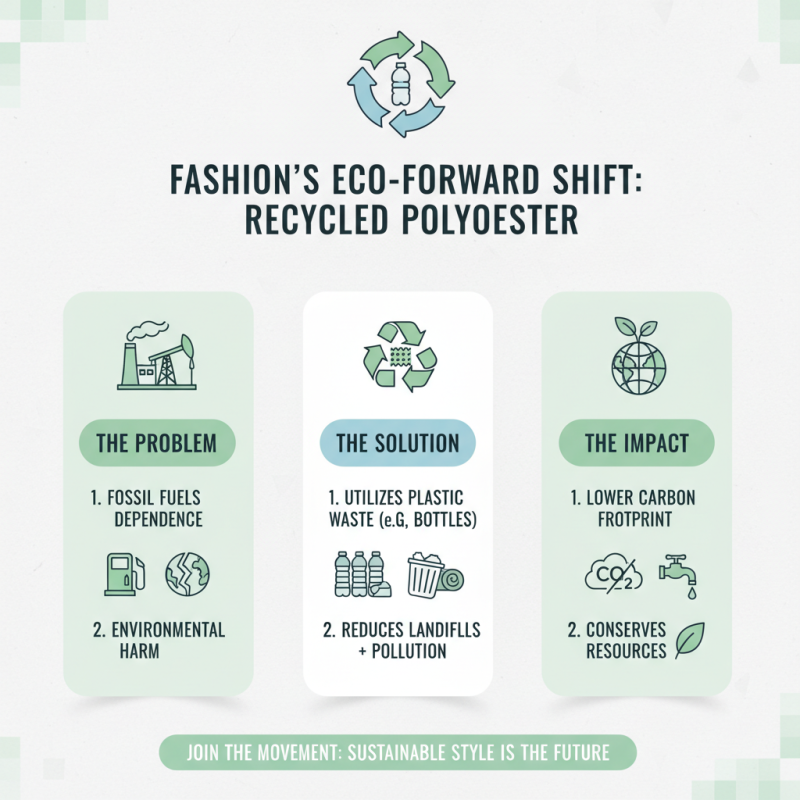
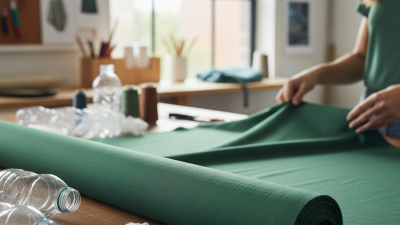
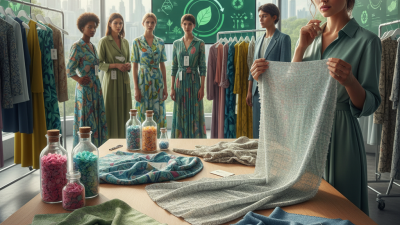
Recycled polyester fabrics are making waves in sustainable fashion. As awareness grows, many brands are shifting towards more eco-friendly materials. This rise is not just a trend; it's a necessity. Traditional polyester relies heavily on fossil fuels, contributing to environmental degradation. Switching to recycled polyester helps lessen this impact. It uses plastic waste, like bottles, thus reducing landfill contributions.
The benefits are clear. These fabrics are often durable and retain color well. Clothes made from recycled polyester tend to be lightweight and moisture-wicking, making them suitable for active wear. However, there are challenges. Not all recycled polyester is created equal. Inconsistent quality can affect the final product. Some consumers may question the performance versus traditional options.
There is still room for improvement. Recycling processes need to become more efficient. The more we refine these methods, the better the outcome will be. While recycled polyester is a step forward, transparency and education are essential. Ultimately, consumers want to understand what they wear. The fashion industry must be ready for this shift, fostering a more sustainable future.
Key Properties of Recycled Polyester: Durability and Versatility
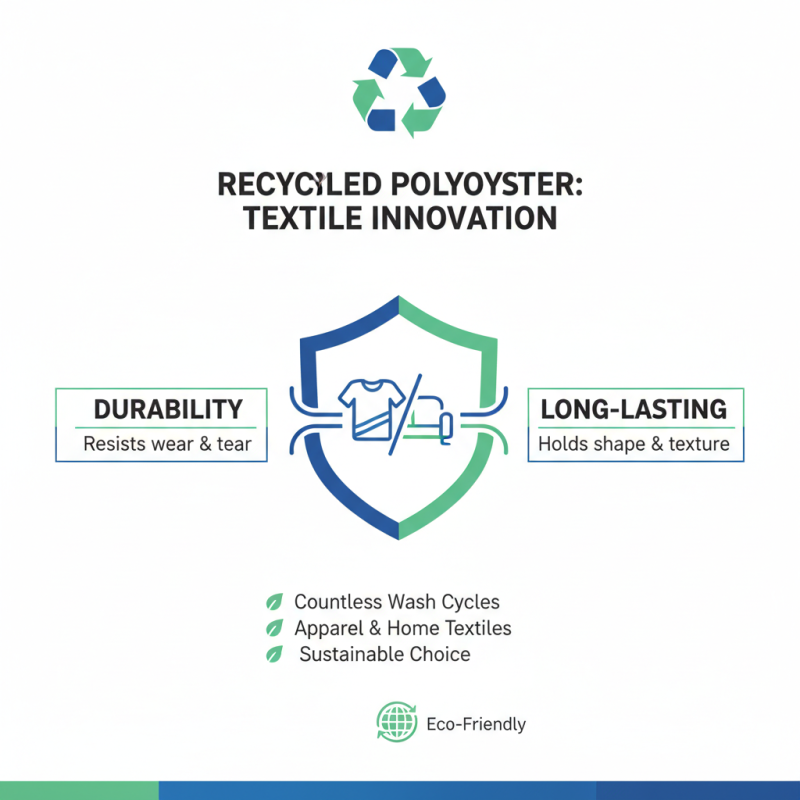
Recycled polyester is gaining traction in the textile industry. Its durability is a key feature. Reports indicate that it can withstand numerous wash cycles without losing shape or texture. This makes it ideal for various applications, from apparel to home textiles.
Versatility is another strength of recycled polyester. It can be blended with natural fibers or other synthetics, enhancing its adaptability. For example, it’s used in activewear, outdoor gear, and even furniture upholstery. According to industry data, nearly 30% of new polyester produced in 2023 was recycled, showcasing its growing importance.
Tips: When selecting fabrics, consider the environmental impact. Look for certifications that confirm recycled content. Remember, the effectiveness of recycled materials can vary. It’s essential to research manufacturers to ensure quality. Not all products labeled as recycled are equal. Prioritize transparency in sourcing.
Environmental Impact Compared to Virgin Polyester: A Data-Driven Analysis
Recycled polyester fabric presents a greener alternative to virgin polyester, yet it isn't without challenges. The production of recycled polyester significantly reduces energy consumption. Studies suggest that it uses up to 50% less energy compared to virgin polyester. This reduction translates into lower greenhouse gas emissions, an essential factor in today's climate crisis.
However, it is crucial to analyze the entire lifecycle of recycled polyester. While recycling lowers carbon output, the process itself often involves energy-intensive methods. Additionally, not all recycling processes are equal. Some yield fabrics of lower quality or durability. This might lead to a shorter lifespan for products made from recycled polyester, prompting questions about waste and sustainability in the long term.
On the aesthetic side, recycled polyester can achieve great versatility. It can mimic the look and feel of natural fibers. This opens up a variety of uses in fashion and home textiles. Yet, it’s vital to consider its performance against virgin polyester. Sometimes, recycled versions struggle with moisture-wicking and breathability. As the market expands, ongoing improvements and reflections on these drawbacks are necessary.
Cost-Efficiency of Recycled Polyester in the Textile Industry
The textile industry faces increasing pressure to reduce costs while maintaining quality. Recycled polyester offers a cost-effective alternative to virgin polyester. According to a report by the Textile Exchange, recycled polyester can reduce production costs by up to 35%. This difference helps manufacturers stay competitive in a saturated market.
In 2022, nearly 30% of polyester used globally was recycled. Despite this significant rate, there's room for growth. The market is still driven by virgin polyester, which is cheaper upfront but carries hidden environmental costs. In contrast, recycled polyester mitigates waste and decreases the need for raw materials. Yet, some producers question the long-term reliability of recycled sources.
Investing in recycled materials is also about innovation. While recycled polyester contributes to sustainability, some critics argue that its quality can vary. It often depends on the recycling process and the type of waste used. This inconsistency can affect garment durability and appeal. As the industry evolves, it must address these challenges and continue finding ways to improve quality and cost-efficiency.
Innovative Applications of Recycled Polyester in Outdoor and Performance Gear
Recycled polyester is making waves in outdoor and performance gear. This material comes from post-consumer plastics, reducing waste and conserving resources. While it offers durability and moisture-wicking properties, it's not without flaws. Some recycled fabrics are less breathable than their virgin counterparts. However, innovations are addressing these challenges.
In gear for hiking and outdoor sports, recycled polyester excels. Lightweight jackets and backpacks made from this fabric provide comfort during activities. The vibrant colors achieved through dyeing techniques enhance their appeal. Yet, there are questions about the longevity of these products. Do they perform as well over time? Users must consider this when investing.
Another area of application is athletic wear. Recycled polyester is often blended with other materials to improve flexibility. This creates garments that fit snugly without sacrificing movement. But the environmental impact of production processes deserves scrutiny. Some methods generate emissions that can negate the benefits of recycling. It’s essential to weigh these factors in choosing recycled materials.
2026 Best Recycled Polyester Fabric Uses and Benefits
| Application |
Description |
Benefits |
Environmental Impact |
| Outdoor Jackets |
Lightweight and durable jackets for outdoor activities. |
Water-resistant, breathability, and thermal insulation. |
Reduces landfill waste and energy consumption. |
| Activewear |
Sportswear designed for performance and comfort. |
Moisture-wicking properties and reduced chafing. |
Promotes recycling and reduces resource extraction. |
| Bags and Backpacks |
Durable and lightweight bags suitable for various uses. |
Sustainable, stylish, and functional. |
Less plastic waste and promotes circular economy. |
| Insulated Clothing |
Warmth without bulk for cold weather outdoor use. |
Lightweight insulation, enhances mobility. |
Uses recycled materials, minimizing environmental footprint. |
| Novelty Fabrics |
Unique textiles for fashion and design applications. |
Innovative designs while being eco-friendly. |
Encourages sustainable fashion practices. |