China Top Recycled Denim Fabric for Sustainable Fashion?
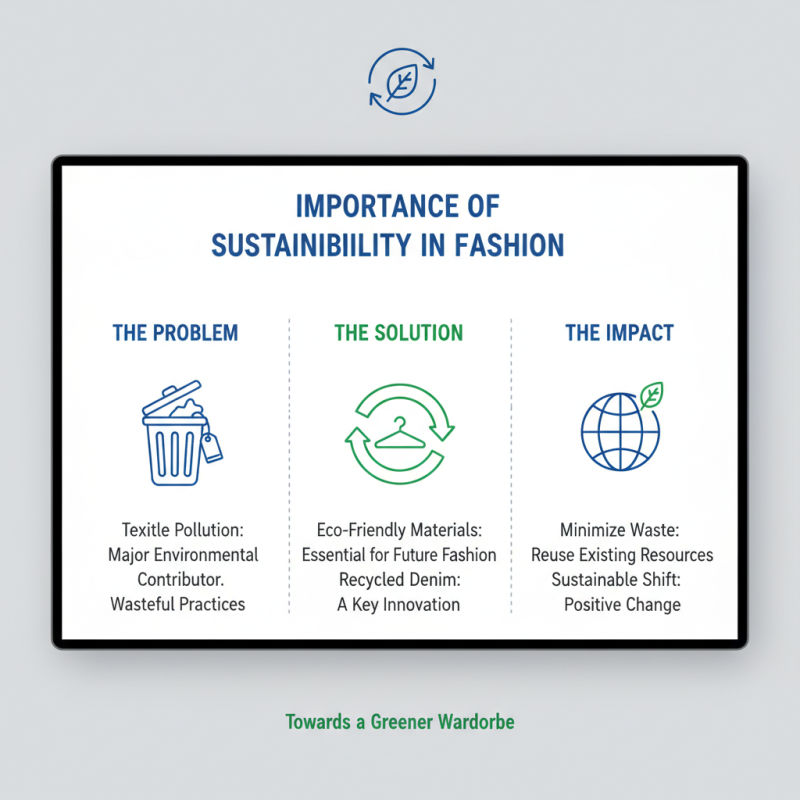
In the quest for sustainable fashion, "Recycled Denim Fabric" is emerging as a game-changer. This innovative material represents a conscious shift towards eco-friendly practices in the textile industry. The increasing demand for sustainable alternatives drives manufacturers to rethink traditional methods.
China leads the way in producing high-quality recycled denim. This material is created from post-consumer and post-industrial waste. It not only reduces landfill waste but also conserves resources. Fashion brands are embracing recycled denim to align with consumer values on sustainability.
Despite the positive strides, challenges remain. Not all recycled fabrics maintain the same quality as new denim. There are varying standards across manufacturers, leading to inconsistencies. It's crucial for brands to be transparent about their sourcing and production processes. This helps consumers make informed choices. The journey towards truly sustainable fashion is complex but necessary.
Overview of Recycled Denim Fabric in Sustainable Fashion
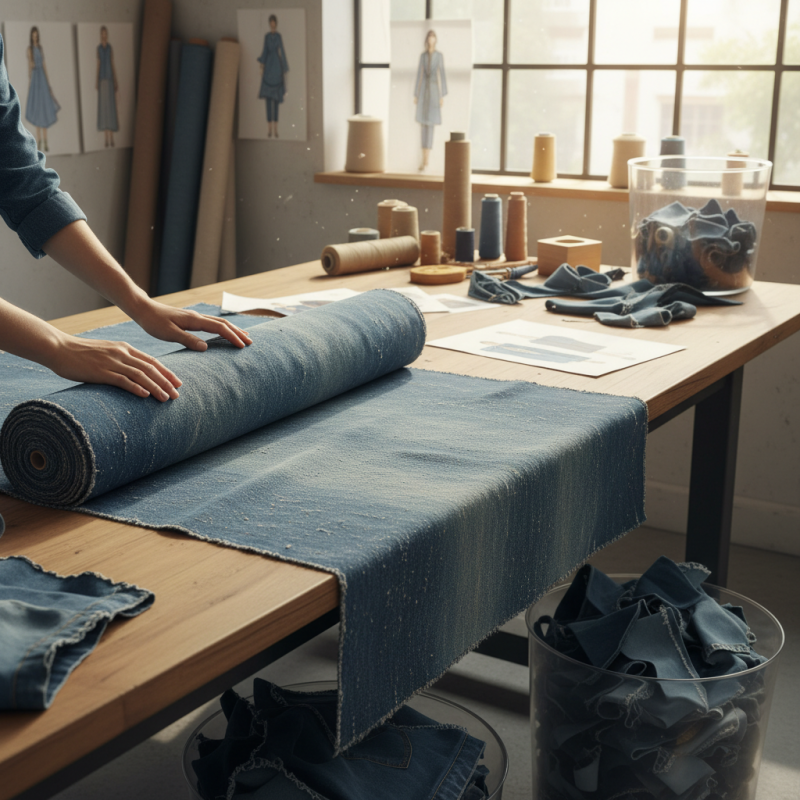
Recycled denim fabric has gained traction in sustainable fashion as an eco-friendly alternative. In 2021, the sustainable apparel market was valued at around $6.35 billion. This figure is expected to grow as consumers prioritize environmentally friendly options. Recycled denim is made from post-consumer waste, which significantly reduces the environmental impact associated with producing new denim.
One challenge with recycled denim is maintaining quality and durability. Reports indicate that recycled fibers can lead to weaker fabrics. The average lifespan of recycled garments is often 30% shorter than traditional counterparts. This creates concerns about sustainable consumption, urging brands to focus on innovation in recycling processes. Addressing these issues is crucial for future development.
Furthermore, the supply chain transparency in recycled denim remains a significant challenge. Many consumers seek information on material origin and processing methods. According to recent surveys, over 60% of shoppers are willing to pay more for sustainable products if they are verified. Bridging this gap can enhance trust and potentially drive sales in the evolving sustainable fashion market.
China's Role in Recycled Denim Production
China plays a pivotal role in the production of recycled denim, significantly impacting sustainable fashion. According to a report by Textile Exchange, the global denim market is projected to reach $90 billion by 2025. A substantial portion of this growth is linked to the rise of recycled materials. China's extensive manufacturing network makes it an ideal hub for recycled denim production. The country recycles nearly 1.5 million tons of cotton annually, which includes old denim.
However, challenges persist in the recycling process. Environmental issues, such as water consumption and chemical use, remain critical concerns. A study by the Ellen MacArthur Foundation highlights that textile recycling technologies are still evolving, and efficiency needs improvement. The recycling rate for denim currently stands at only 5%. This indicates a significant gap in potential resource recovery.
Collaboration among manufacturers, designers, and policymakers can address the inefficiencies in denim recycling. China is uniquely positioned to spearhead these advancements due to its manufacturing capabilities. Yet, the journey toward sustainable denim production demands persistent effort and innovation. The industry must reflect on its practices and strive for more responsible solutions.
Benefits of Using Recycled Denim in Apparel
Recycled denim is gaining traction in sustainable fashion. This movement is driven by the growing demand for eco-friendly products. According to the Textile Exchange's 2021 report, the production of recycled cotton fibers significantly decreased water usage by 80% compared to conventional methods. This statistic underscores the environmental urgency in the apparel industry.
Using recycled denim also reduces landfill waste. The Council for Textile Recycling estimates that about 25 billion pounds of textiles end up in landfills each year. By reusing denim, we can minimize this impact. However, challenges remain in recycling processes. Not all denim is created equal; variations in dyeing and fabric blends can complicate the recycling process.
Moreover, there is a need for improved consumer awareness. Although recycled denim is often more sustainable, it may not always match the quality of new fabrics. Some consumers might be hesitant to embrace recycled materials due to perceived durability issues. It's crucial to create transparent communication about the benefits and limitations of recycled denim. Thus, the journey toward sustainable fashion requires ongoing education and refinement in recycling practices.
Future Trends in Recycled Denim Fabric Development
The trend towards recycled denim fabric is growing, driven by sustainability concerns. The global recycled denim market is expected to reach $1.2 billion by 2025, according to industry reports. Eco-conscious consumers are pushing brands to adopt sustainable practices. However, challenges remain in sourcing high-quality recycled materials.
Developing recycled denim requires innovative technologies to process old fabric efficiently. Recent advancements have led to the creation of more durable and soft materials from recycled sources. Despite these advancements, the color and texture can vary. This inconsistency may affect brand quality perception.
Tips: Look for companies that prioritize transparency in sourcing materials. Researching their practices can help identify truly sustainable options. Additionally, consider how recycled denim can fit into your wardrobe for eco-friendly fashion choices.