Why Choose Elastic Tulle Fabric for Your Next Sewing Project?
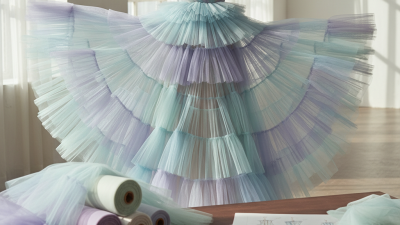
When embarking on a sewing project, choosing the right fabric is essential. Elastic Tulle Fabric stands out for many reasons. It combines elegance with practicality, making it a favorite among designers and hobbyists alike. This unique material is known for its soft drape and versatility. Whether you're crafting costumes, dancewear, or home décor items, Elastic Tulle Fabric can elevate your designs.
Its lightweight nature allows for intricate layering, creating ethereal effects in garments. Additionally, the elasticity of this tulle provides a snug fit without sacrificing comfort. However, working with Elastic Tulle can be challenging. It may fray easily and requires careful handling. A learning curve exists, but the results are often worth the effort. Embracing its quirks might lead to creative breakthroughs.
By choosing Elastic Tulle Fabric, you open up a world of possibilities. The right techniques can turn potential frustrations into stunning creations. This fabric invites experimentation and imaginative designs. Its reliability and charm make it a smart choice for aspiring and experienced sewists alike.
Advantages of Elastic Tulle Fabric in Sewing Projects
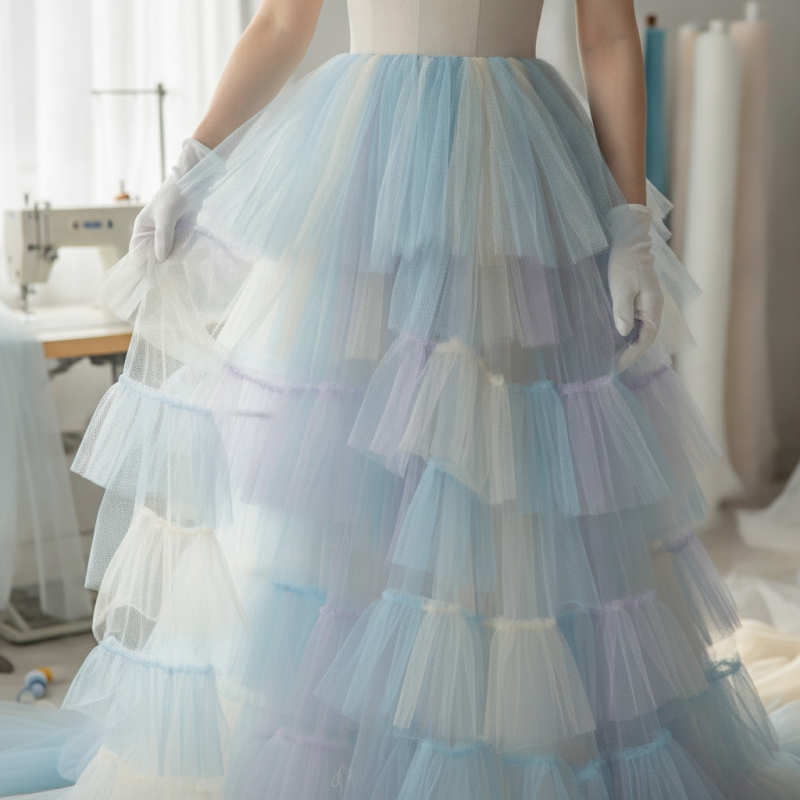
Elastic tulle fabric is gaining popularity in sewing projects for many reasons. Its unique stretch properties offer flexibility, making it ideal for creating garments that need to fit snugly. This fabric molds to various body shapes, enhancing comfort and wearability. In addition, elastic tulle can create beautiful layered effects, adding dimension to skirts and dresses.
The versatility of elastic tulle is remarkable. It works well for formal wear, dance costumes, and everyday clothing. The lightness of the fabric allows for breathability, ensuring that your creations remain comfortable. When sewing with elastic tulle, beginners may find it tricky to handle due to its delicate nature. Yet, mastering this fabric can significantly enhance your skill set. Tailoring techniques, like using the right needle and adjusting tension, may require practice and patience.
Moreover, elastic tulle comes in various colors and patterns, providing endless design possibilities. Combining this with other materials can produce stunning effects. However, the thinness of the fabric can make it challenging to cut and sew. It requires precision and caution to avoid fraying. As with any fabric, it’s essential to experiment and adapt your techniques for the best results. This trial-and-error process can lead to wonderful discoveries in your sewing journey.
Versatility of Elastic Tulle: Applications and Uses
Elastic tulle fabric is incredibly versatile. Its lightweight nature makes it popular for many projects. Whether you're creating dancewear, costumes, or decorative accents, elastic tulle can elevate your designs. It comes in various colors and patterns, allowing for endless creativity in your sewing.
When working with elastic tulle, consider the stretch. It can be tricky to sew due to its elasticity. Using a sticky stabilizer can help. Also, try a ballpoint needle to prevent snags. These tips can enhance your sewing experience. Test your fabric before committing to bigger projects. This prevents unexpected issues later.
One common challenge with elastic tulle is fraying. To mitigate this, use a serger or a zigzag stitch along the edges. This will keep your project clean and tidy. The flexibility of this fabric also allows for unique draping techniques. Experiment with layering to achieve different looks. Embrace the imperfections as you learn. Each project will improve your skills and understanding of this unique fabric.
How to Choose the Right Elastic Tulle for Your Needs
Choosing the right elastic tulle fabric can greatly impact your sewing project. Assess your specific needs before making a purchase. Consider the weight and thickness of the fabric. Lighter tulle works well for delicate projects like bridal veils. However, heavier tulle is better for structured garments.
Texture is another crucial factor. Soft tulle feels luxurious but may not hold its shape. If you're making skirts or tutus, opt for stiffer options. Also, think about the color and sheen. Some projects benefit from metallic finishes, while others may need a matte look for subtlety.
Don’t overlook the elasticity level of the tulle. Some fabrics stretch more than others. Test it out by pulling a small section. This might help you envision how the fabric will behave in finished pieces. Remember, personal preference plays a big role here. Finding the right balance can be challenging, but it ultimately leads to a more satisfying project.
Sewing Techniques for Working with Elastic Tulle
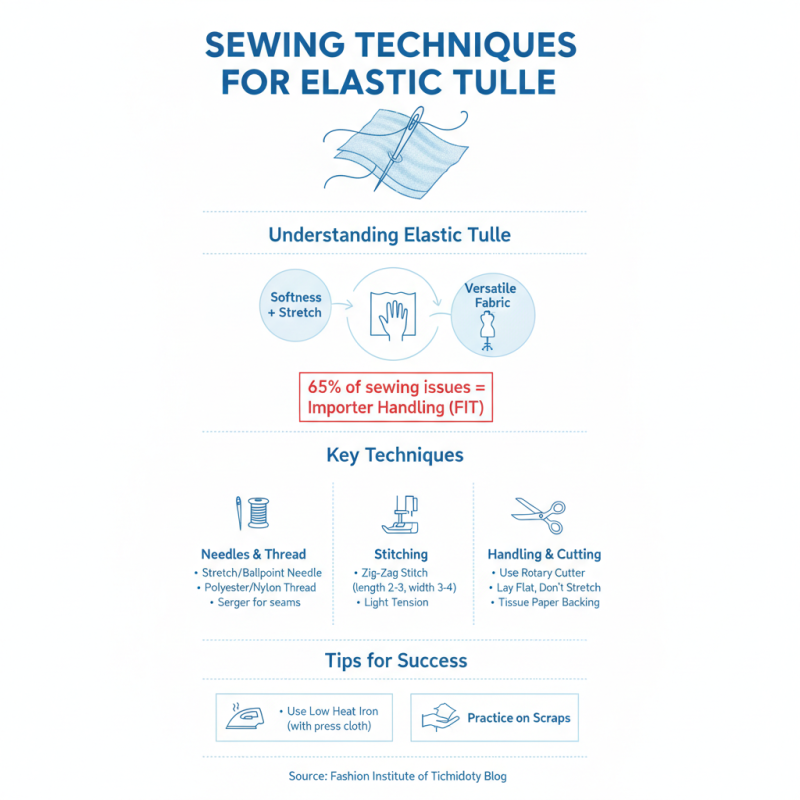
Elastic tulle fabric is a versatile choice for sewing enthusiasts. It offers a unique blend of softness and stretch. When working with elastic tulle, understanding specific techniques is crucial for achieving the best results. According to the Fashion Institute of Technology, 65% of fabric-related sewing issues come from improper handling. This highlights the importance of mastering the material.
Cutting elastic tulle requires precision. Use sharp scissors to achieve clean edges. Additionally, consider using a rotary cutter for straight cuts. This prevents fraying and ensures a neat finish. Also, pinning pieces before sewing helps keep layers from moving. Many sewists overlook this simple step, leading to misaligned seams.
When sewing elastic tulle, avoid using standard needles. A ballpoint needle is ideal for stretchy materials. It glides through the fibers without snagging. Matching thread to the fabric color is also essential. It helps conceal imperfections. The Sewing and Craft Alliance notes that proper thread choices can enhance the overall appearance by nearly 30%. Testing stitch types on scraps is wise. Each machine behaves differently, and what works for one may not work for another. Recognizing these nuances can elevate your projects significantly.
Care and Maintenance Tips for Elastic Tulle Fabrics
Elastic tulle fabric is a popular choice for various sewing projects. However, taking proper care of it is crucial. This fabric is delicate, yet versatile. The proper maintenance can extend its lifespan significantly. According to a report by Textile World, fabrics like elastic tulle can degrade 15% faster without adequate care.
Washing elastic tulle requires special attention. Always use cold water and a gentle detergent. Avoid machine washing, as agitation can damage the fibers. Instead, hand wash or use a delicate cycle. Experts suggest air drying to maintain its shape and elasticity. High heat can cause shrinkage or warping, reducing the fabric's usability.
Storage is another key aspect. Keep elastic tulle in a cool, dry place. Prolonged exposure to sunlight can lead to fading. It's advisable to fold it gently instead of hanging, to prevent stretching. A guide from the Fabric Care Institute highlights that improper storage can affect fabric quality by up to 30% over time. Regular checks for any signs of wear or damage can lead to timely repairs and better value.
Benefits of Using Elastic Tulle Fabric for Sewing Projects