Why Choose Elastic Tulle Fabric for Your Next Project?
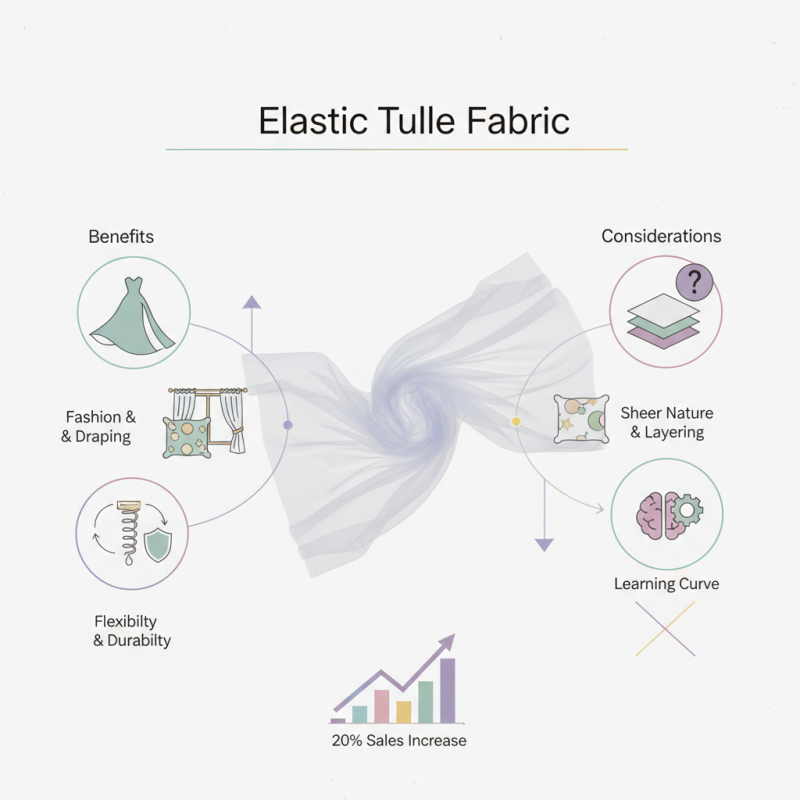
Elastic Tulle Fabric has emerged as a favored choice among designers and crafters. Its versatility caters to various projects ranging from fashion to home decor. According to a recent survey by the Fabric Association, sales of tulle fabric have increased by 20% in the past year, highlighting its growing popularity. This rise indicates a clear trend among consumers seeking lightweight, breathable materials that offer both beauty and functionality.
One reason for this trend is the unique properties of Elastic Tulle Fabric. It provides not only flexibility but also durability. This material stands out with its elegant drape and can enhance any design with ease. Moreover, it is available in various colors and patterns, allowing for creative expression. However, some users may struggle with its sheer nature, requiring careful layering. This challenge can often lead to oversight if not handled properly.
Incorporating Elastic Tulle Fabric into your next project can elevate your design. Utilizing this fabric means embracing a medium that balances aesthetics and practicality. Yet, it is important to reflect on the learning curve associated with working with tulle. Overall, the benefits seem to far outweigh the challenges, making it a worthwhile investment for any creative endeavor.
Benefits of Elastic Tulle Fabric in Fashion and Crafting
Elastic tulle fabric has gained popularity in both fashion and crafting. Its unique blend of softness and stretch makes it versatile for a range of projects. Designers often appreciate its ability to create flattering silhouettes that move with the body. This fabric is lightweight, making it ideal for layered garments or delicate embellishments.
In crafting, elastic tulle can be used for soft decorations and accessories. It’s easy to cut and shape, allowing for creativity without limits. Crafters often experiment with different techniques, enjoying the forgiving nature of the fabric. However, it can fray, so using the right finishing techniques is essential. Not all projects will turn out perfectly, and practice is key to mastering it.
Using elastic tulle requires careful consideration of your design choices. Not everyone may feel comfortable working with its unique properties. But for those willing to learn, the results can be stunning. Mistakes may happen, but each one offers an opportunity to grow. This fabric has the potential to elevate any project with a touch of elegance.
Benefits of Elastic Tulle Fabric in Fashion and Crafting
Elastic tulle fabric offers numerous advantages for fashion and crafting projects. This chart illustrates the various benefits of elastic tulle, rating flexibility, breathability, durability, lightweight, and cost-effectiveness on a scale from 1 to 10. Consider these factors when choosing materials for your next project!
Versatility of Elastic Tulle for Various Projects
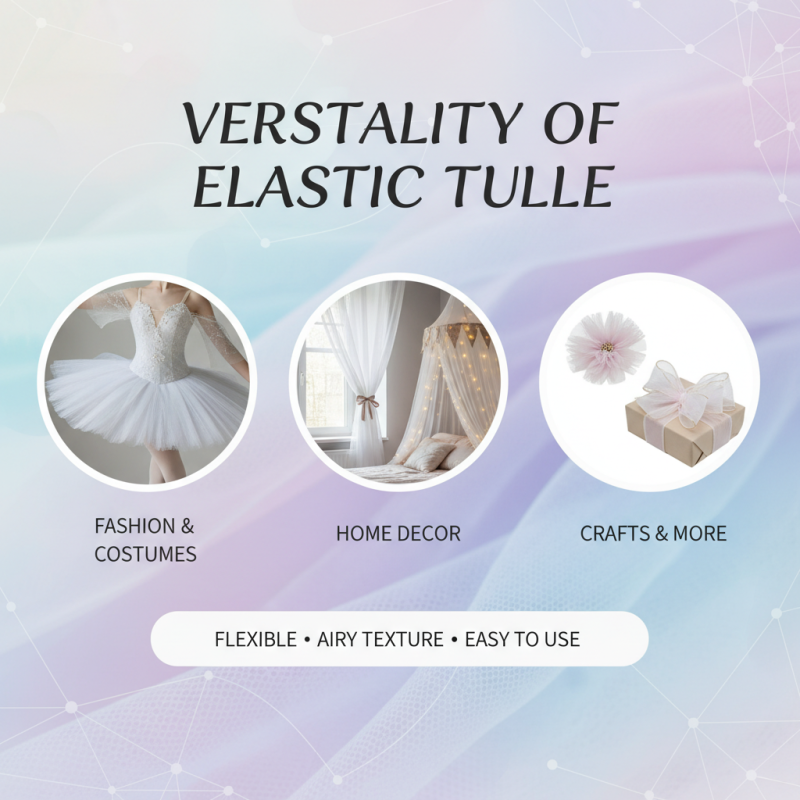
Elastic tulle fabric is a game changer for many creative projects. Its flexibility allows it to be used in a variety of applications, from costumes to home decorations. One can easily create enchanting tutus or elegant overlays for evening gowns. The airy texture adds a whimsical feel to any design.
For anyone looking to explore their artistic side, elastic tulle opens many doors. It can be gathered, draped, or layered. This adaptability makes it suitable for both beginners and seasoned crafters. The fabric can sometimes be tricky to sew, leading to puckering or misaligned seams. Paying attention to tension while sewing is crucial to avoid these pitfalls.
In addition, the wide range of colors and sheerness options adds flair. You may find yourself torn between vibrant hues or soft pastels. Consider the project carefully before choosing. Sometimes, the right fabric can make all the difference in achieving the desired effect. Elastic tulle is not without its challenges, but many artists find that overcoming these obstacles leads to beautiful results.
Comparison of Elastic Tulle with Other Fabrics
Elastic tulle fabric stands out when compared to traditional fabrics. Its unique stretchability offers versatility that other materials lack. This makes it an excellent choice for various projects, such as costumes, wedding decorations, and dance apparel. The fabric retains its shape while allowing freedom of movement. This combination appeals to designers and crafters alike.
When looking at other fabrics, elastic tulle shines in certain aspects. Unlike cotton or polyester, its lightweight texture adds a delicate charm to garments. However, it can be more challenging to sew. Relying solely on elastic tulle might limit design choices. Combining it with other fabrics could enhance durability and structure. This approach requires careful consideration and a willingness to experiment.
The breathability of elastic tulle is another advantage. It's perfect for warm climates or events. Yet, some users find it less comfortable for all-day wear, especially in tight-fitting designs. It might be worthwhile to test different blends to achieve that perfect balance of comfort and style. Overall, elastic tulle fabric opens doors to creativity but invites reflection on its limitations as well.
Care and Maintenance Tips for Elastic Tulle Fabric
Elastic tulle fabric is popular for its versatility and unique properties. However, proper care is essential to maintain its longevity. The right maintenance can enhance its durability and overall appearance, ensuring your projects last.
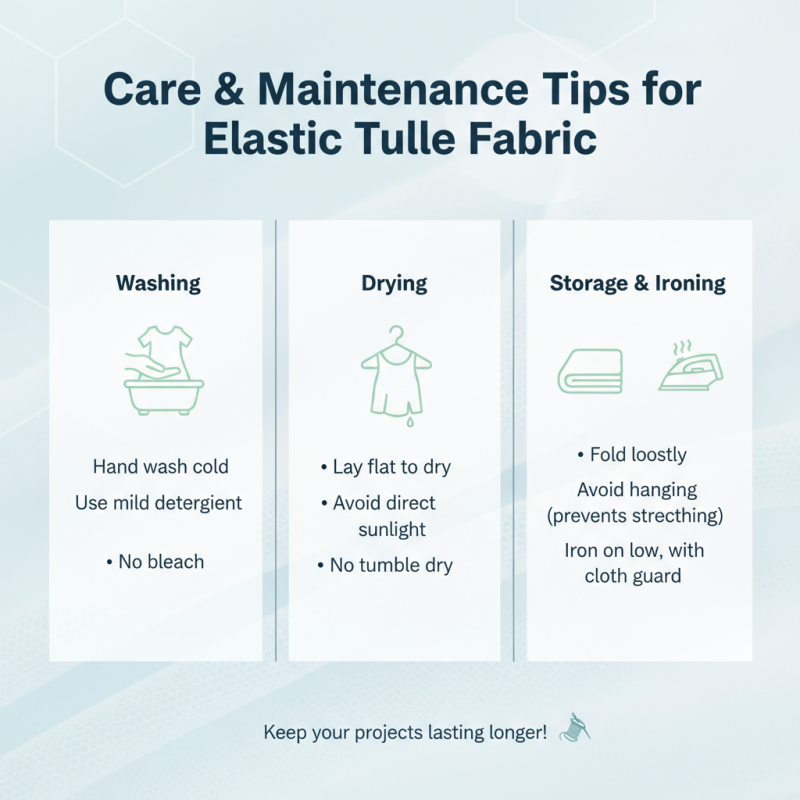
When washing elastic tulle, hand washing is preferable. Use cold water and a mild detergent, as excessive heat can damage the fibers. A report by the Textile Institute indicates that improper washing can reduce the lifespan of fabrics by up to 50%. Rinse thoroughly and avoid wringing the fabric. Instead, lay it flat to dry, preventing any distortion in shape.
Here are some simple tips: Store elastic tulle in a cool, dark place to avoid fading. If wrinkles occur, use low heat on your iron for a quick touch-up. Always test on a small area first. Careful handling during sewing can also prevent tears or snags. Over time, many users notice drops in elasticity. Regular maintenance helps prevent this, preserving the fabric's quality and structure.
Innovative Uses of Elastic Tulle in Design and Decoration
Elastic tulle fabric is gaining popularity in various design applications. Its unique stretchability makes it perfect for creating garments that need a flexible fit. Designers appreciate how this fabric drapes beautifully while maintaining structure. Whether used in dresses or overlays, its versatility stands out.
In decorating spaces, elastic tulle can transform environments. Imagine vibrant tulle draping down from ceilings at events. This fabric adds an airy feel that is both whimsical and elegant. It can also be used to create stunning table runners or whimsical backdrops. The options are endless, yet sometimes it takes experimentation to find what works best.
Working with elastic tulle can have its challenges. It may slip or fray if not handled properly. Achieving the right balance of stretch and shape requires practice. Understanding these nuances is key to successful projects. Designers often learn through trial and error, refining their techniques over time. Embracing these imperfections can lead to innovative and unique designs.