2026 How to Choose Recycled Fleece Fabric for Sustainable Fashion?
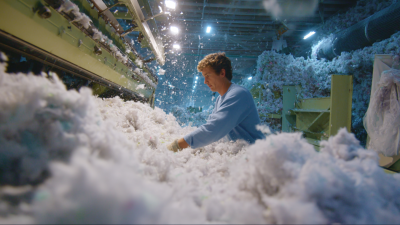
As sustainable fashion continues to rise in popularity, the choice of materials becomes crucial. Recycled Fleece Fabric stands out as a key player in eco-friendly clothing. This fabric offers warmth, comfort, and style while embracing a greener mindset. It is made from post-consumer plastic bottles, transforming waste into wearable art.
Selecting the right Recycled Fleece Fabric can seem challenging. Not all fleece is created equal. Factors such as durability, texture, and color play a vital role in making an informed decision. While many options are available, not all meet high environmental standards. It’s essential to review certifications and traceability to ensure quality and sustainability.
Navigating the world of recycled materials is not without its imperfections. Choices might seem overwhelming, or the best fabric may not align with personal style. Reflection on individual needs and values can guide the selection process. Ultimately, making mindful choices in fashion helps contribute to a more sustainable future.

Understanding Recycled Fleece Fabric: Properties and Benefits
Recycled fleece fabric has gained traction in sustainable fashion due to its eco-friendly attributes. Made from post-consumer plastic bottles, recycled fleece reduces waste and conserves resources. According to the Textile Exchange, the use of recycled fibers can lower greenhouse gas emissions by 50-70% compared to virgin materials. This significant reduction highlights the environmental benefits of choosing recycled fleece.
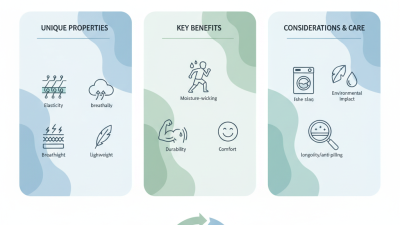
The properties of recycled fleece fabric make it an appealing choice. It is soft, lightweight, and durable, while providing excellent insulation. This versatility allows it to be used in various garments, including jackets and activewear. However, there are drawbacks. Many recycled fleece fabrics can pill, affecting their longevity and aesthetic appeal. Understanding these aspects is crucial for making informed choices.
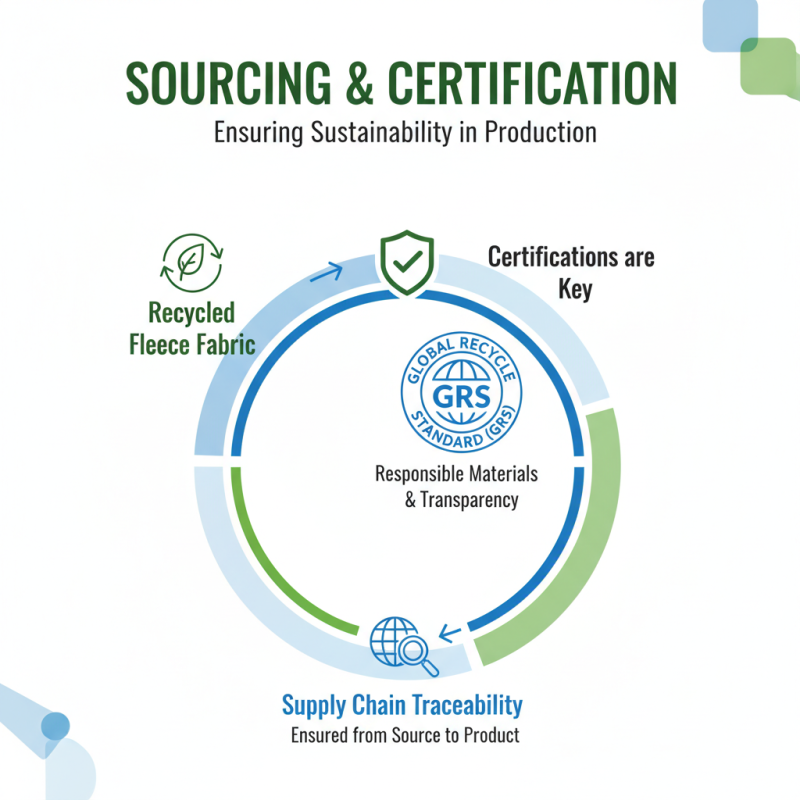
Furthermore, consumers may encounter challenges regarding the sourcing of recycled fleece. Not all manufacturers adhere to the same sustainability standards. Verifying certifications and supply chain practices can be complex, leaving room for confusion. This lack of clarity can deter consumers from fully embracing recycled materials. Despite these imperfections, awareness around sustainable choices continues to grow, prompting more innovation in the field.
Types of Recycled Fleece Fabrics Available in the Market
Recycled fleece fabrics are essential for sustainable fashion.
These materials reduce environmental impact while offering comfort and warmth.
Several types are available in the market, each with unique properties.
Post-consumer recycled fleece is made from used textiles.
This option often contains plastics and other fibers.
It helps divert waste from landfills.
Data shows that recycling 1 ton of fabric can save 20,000 gallons of water
and reduce CO2 emissions by 95%.
Another type is post-industrial recycled fleece,
which comes from production scraps.
This material has a lower environmental footprint because it bypasses the consumer stage.
When choosing recycled fleece, consider the type and origin.
Look for certifications that guarantee sustainability.
Keep in mind, not all recycled fabrics are created equal.
Some may still use harmful dyes or processes. This aspect requires careful evaluation.
Tips: Always check the fabric's certification.
Research the manufacturer’s practices.
Stay informed about the latest trends and technology in recycling.
This knowledge empowers better choices in sustainable fashion.
Ultimately, the textiles we choose reflect our values and commitment to the planet.
Key Factors to Consider When Selecting Recycled Fleece
When selecting recycled fleece fabric, several key factors deserve attention. The first aspect is material composition. Many recycled fleece fabrics are made from post-consumer plastic bottles. According to the Textile Exchange, over 73 million tons of plastic are utilized in textiles each year. Knowing the source of the materials helps verify sustainability claims.
Next, consider the fabric's certifications. Look for verified standards like Global Recycled Standard or OEKO-TEX certification. These labels ensure that the fabric meets environmental and toxicological safety criteria. Reports indicate that certified fabrics can significantly reduce water consumption and carbon emissions compared to traditional textiles. However, many products still lack transparency, leaving consumers uncertain about the sustainability of the fabric.
Finally, evaluate the fabric's durability and performance. Sustainable fabrics can often face issues like pilling or fading. Research shows that durability impacts the overall sustainability of a product. If fabrics wear out quickly, they contribute to waste. This reality prompts a crucial question: How can we effectively balance sustainability with performance? Making informed choices in these areas can better guide sustainable wardrobe decisions.
2026 How to Choose Recycled Fleece Fabric for Sustainable Fashion?
| Criteria |
Description |
Importance Level |
Impact on Sustainability |
| Material Source |
Type of recycled materials used in fleece production |
High |
Directly affects resource conservation |
| Processing Methods |
Techniques used to recycle and produce the fleece |
Medium |
Impact on energy use and emissions |
| Durability |
Longevity of fabric under wear and wash conditions |
High |
Long-lasting products reduce frequency of purchase |
| Certifications |
Standards proving sustainability practices in production |
High |
Increases consumer trust and supports ethical sourcing |
| Environmental Impact |
Effects on ecosystems during production and disposal |
Medium |
Awareness of lifecycle influences choices made |
| Versatility |
Use cases for varying applications and styles |
Low |
Broader use reduces waste by serving multiple purposes |
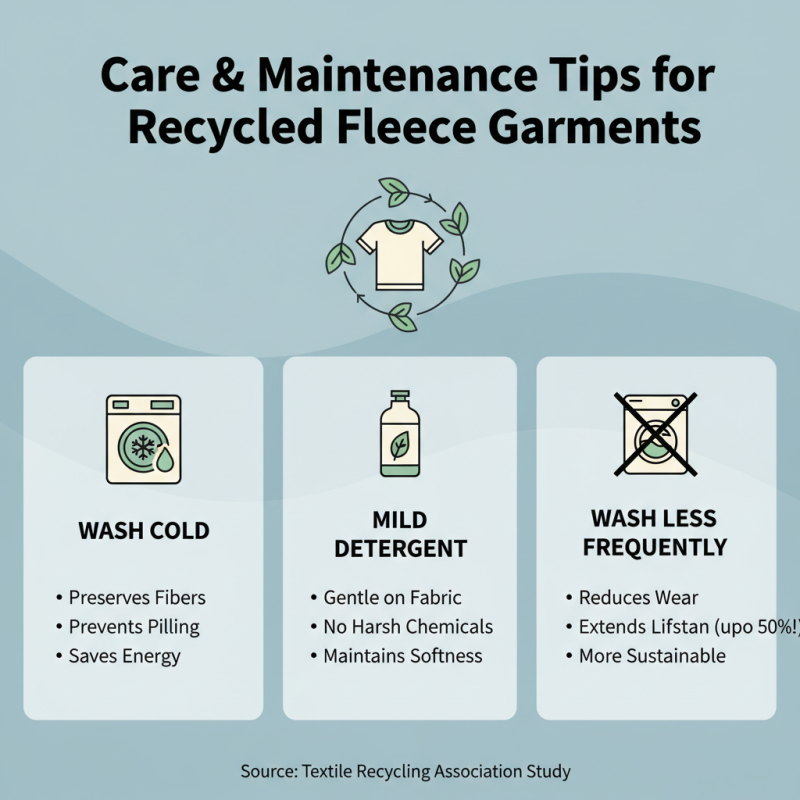
Care and Maintenance Tips for Recycled Fleece Garments
Caring for recycled fleece garments is crucial to ensure their longevity and sustainability. A study from the Textile Recycling Association suggests that proper care can extend the life of these fabrics by up to 50%. To maintain the quality, wash your fleece in cold water and use mild detergents. High temperatures can damage fibers and cause pilling. Remember, less is more; avoid washing too frequently.
Drying recycled fleece is another essential step. Air drying is the best option, as it minimizes the risk of shrinkage and retains fabric integrity. If you need to use a dryer, opt for a low heat setting. Fabrics made from recycled materials can behave differently compared to their virgin counterparts. It's worth noting that some brands report a change in softness after several washes, which can be disappointing.
Tips: Always check care labels before washing. Spot cleaning can significantly reduce the need for full washes, extending the garment’s life. Additionally, consider recycling worn-out fleece instead of discarding it. A report from the Ellen MacArthur Foundation states that circular practices in fashion reduce waste significantly. Being mindful of these care techniques not only benefits your wardrobe but also supports environmental sustainability.