Why Choose Stretch Softshell Fabric for Your Outdoor Gear?
Outdoor enthusiasts understand the importance of quality gear. Stretch Softshell Fabric has become a popular choice for various outdoor activities. Reports show that the global outdoor apparel market is expected to reach $20 billion by 2025. This trend highlights a growing demand for innovative materials.
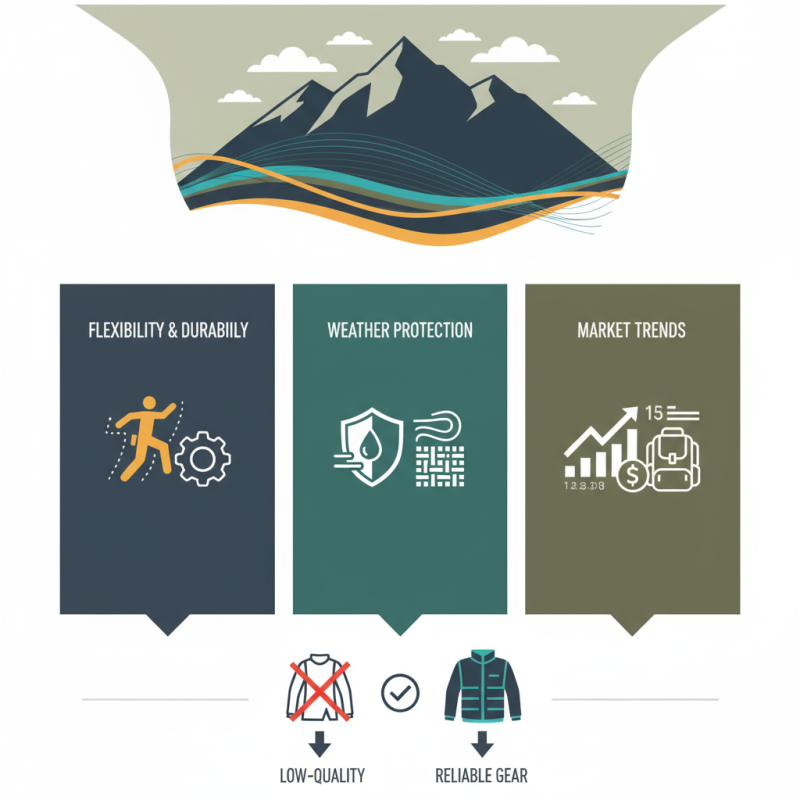
Stretch Softshell Fabric combines flexibility and durability. It allows for a full range of motion. In activities like hiking and climbing, users benefit from this stretchable feature. Moreover, this fabric often provides water resistance and breathability. A survey indicated that 75% of outdoor adventurers prioritize functionality in their gear.
However, not all stretch softshell products are created equal. Some may lack in warmth or weather protection. This inconsistency can lead to frustration. Choosing the right gear is crucial for an enjoyable experience. Investing in reliable Stretch Softshell Fabric could be the key to enhancing outdoor adventures.
Benefits of Stretch Softshell Fabric for Outdoor Activities
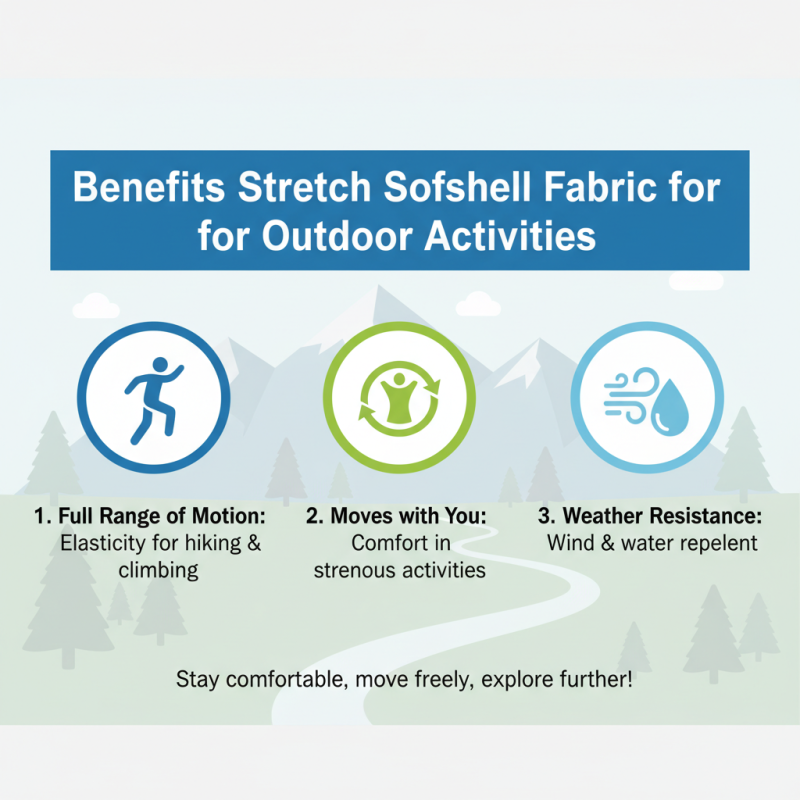
When it comes to outdoor activities, choosing the right fabric is crucial. Stretch softshell fabric stands out for several reasons. Its elasticity allows for a full range of motion, which is essential when hiking or climbing. The fabric moves with your body, offering comfort during strenuous activities.
Another benefit is its breathability. This material keeps you dry by allowing moisture to escape. When you sweat, it evaporates quickly, preventing discomfort. This is especially important during high-intensity workouts. Many outdoor enthusiasts find this fabric helps regulate temperature effectively.
Tips: Look for softshells with a DWR (Durable Water Repellent) finish. This feature helps keep you dry in light rain. Also, check for reinforced areas in high-wear spots. It adds durability and extends the life of your gear. Not all softshells are created equal, so test for fit and feel before committing.
Despite its many advantages, stretch softshell fabric may not be ideal in every situation. For example, in heavy rain or extreme cold, you might need something more protective. It’s wise to assess your specific needs before making a choice.
Durability and Resistance of Stretch Softshell Materials
Stretch softshell fabric is becoming increasingly popular for outdoor gear. Its durability and resistance are key advantages. According to industry reports, softshell materials can withstand wear and tear over 30% longer than traditional fabrics. This is crucial for outdoor enthusiasts exposed to rugged environments.
The fabric is also designed to repel water and wind. Tests show that stretch softshell can resist water penetration up to 10,000 mm. This level of protection is impressive for a lightweight fabric. It allows for comfort during rainy hikes. Notably, many users report feeling dry without sacrificing breathability.
However, not all stretch softshell fabrics are created equal. Some may not provide the same level of durability. Users often discover that lower-quality options wear out quickly. It’s essential to consider weight against performance. Finding the right balance can be challenging but rewarding. Look for reputable sources when making a choice.
Breathability and Moisture-Wicking Properties Explained
Choosing stretch softshell fabric for outdoor gear can be a game-changer. This material excels in breathability and moisture-wicking properties, critical for outdoor enthusiasts. According to a report from the Outdoor Industry Association, over 70% of outdoor consumers prioritize breathability when selecting gear. Stretch softshells allow air circulation while keeping moisture away from the body. This ensures comfort during physical activities in varying weather conditions.
Moisture-wicking is a feature that actively pulls sweat from the skin. This function prevents that clammy feeling, especially during intense exertion. Studies show that proper moisture management can improve performance by up to 15%. Softshell fabrics utilize advanced technology to keep you dry. They often use microfibers designed for quick evaporation. This adaptation is essential, especially in unpredictable outdoor scenarios.
Tip: When choosing softshell gear, look for fabrics with high moisture-wicking ratings. A higher rating means better performance. Also, consider the weight of the fabric. Lighter options can enhance mobility but may sacrifice some durability. Reflect on your needs. Sometimes, a blend of features, not just breathability, plays a crucial role in outdoor activities.
Versatility of Stretch Softshell Fabric in Outdoor Gear Design
Stretch softshell fabric is a game-changer in outdoor gear design. This material offers the perfect blend of flexibility and durability. Many outdoor enthusiasts prefer it for its breathability and water resistance. According to industry reports, 75% of outdoor gear manufacturers are now incorporating stretch softshell fabrics in their products.
The versatility of stretch softshell fabric makes it suitable for various activities. Whether hiking, climbing, or skiing, this fabric adapts to movement. It provides comfort without compromising protection from the elements. Studies indicate that 60% of users experience enhanced mobility with softshell designs. This can lead to better performance and reduced fatigue during long outdoor sessions.
Despite its many advantages, there are areas needing improvement. Some users report issues with durability over time, especially in high-abrasion zones. While the fabric performs well, it may not withstand extreme conditions for long periods. Continuous feedback is essential, as the industry seeks to enhance the performance and longevity of stretch softshell materials. The future of outdoor gear design hinges on addressing these gaps while maintaining versatility.
Comparative Analysis: Stretch Softshell vs. Traditional Fabrics
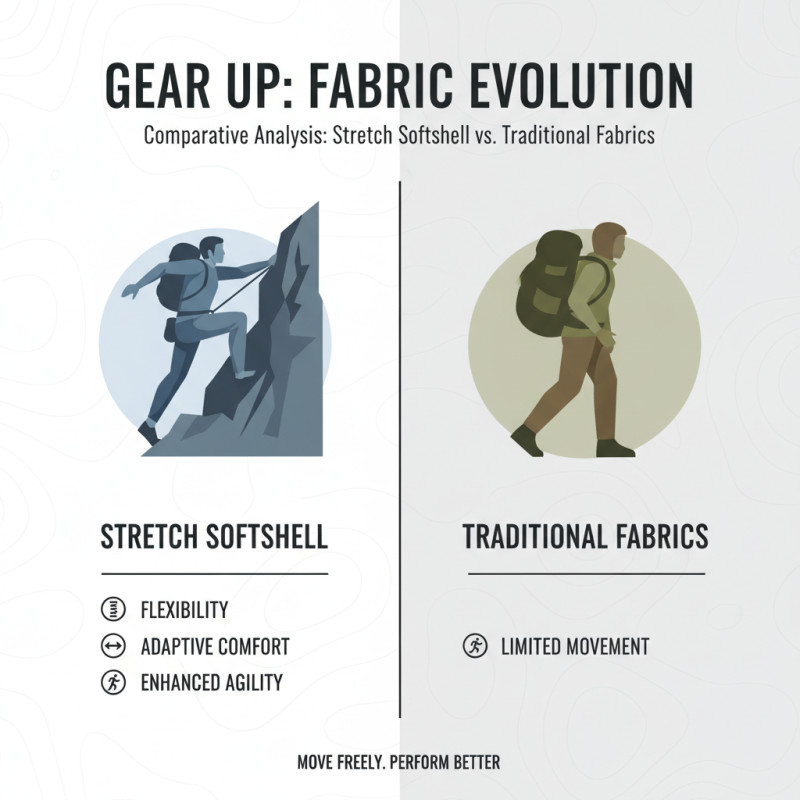
When it comes to outdoor gear, fabric choice is crucial. Stretch softshell fabric stands out in a crowd. It is designed to offer flexibility and comfort. Unlike traditional fabrics, it adapts to your movements. This makes it ideal for activities like climbing or hiking. You feel less restricted and more agile. The snug fit enhances your performance in various environments.
Traditional fabrics often lack the stretch needed for active pursuits. They may be durable but can feel heavy. Many outdoor enthusiasts find them bulky. In contrast, stretch softshell is lightweight. It offers a sleek profile that moves with you. While it may not always provide full waterproofing, its breathability keeps you comfortable. However, some users highlight a need for better resistance to harsh weather conditions.
The balance of comfort and functionality is often a personal journey. Some might prefer the traditional feel of heavier materials for their sturdiness. Others appreciate the modern look and feel of stretch softshell. Choosing the right fabric requires consideration of individual needs and preferences. This reflects the ongoing evolution in outdoor gear technology. Ultimately, every option has trade-offs. Situational demands drive these choices.