Why Choose Stretchable Polyester Fabric for Your Next Project?
When embarking on a new project, choosing the right materials is crucial. Stretchable Polyester Fabric stands out for its versatility and durability. This fabric offers both comfort and resilience, making it ideal for various applications.
The unique stretchability of this material allows for a perfect fit in clothing, upholstery, and outdoor gear. It moves with the body, enhancing performance and comfort. This adaptability is especially valuable in activewear, where mobility is key. However, not all projects may require a stretchable fabric. Careful consideration is needed to match your project’s specific needs.
Understanding the benefits of Stretchable Polyester Fabric can lead to informed decisions. Its reliability is backed by extensive usage in the textile industry. Yet, it’s important to reflect on fabric choice. Will it meet your project goals? Evaluating these aspects ensures a successful outcome.
Benefits of Stretchable Polyester Fabric in Apparel Design
Stretchable polyester fabric is a popular choice in apparel design. It offers remarkable elasticity. This ability allows the fabric to move with the wearer, enhancing comfort during daily activities. Clothes made from stretchable polyester fit snugly and adapt to different body shapes. They create a flattering silhouette while ensuring freedom of movement.
Another benefit is durability. Stretchable polyester resists wear and tear over time. It retains its shape after numerous washes. This quality makes it suitable for activewear. However, using this fabric can be challenging. Designers must balance stretch with support. Sometimes, too much stretch can lead to undesirable bagginess. Finding the right blend is essential for optimal results.
Additionally, stretchable polyester is lightweight and breathable. This is crucial for warm-weather garments. It helps regulate body temperature. Yet, this fabric can also trap moisture if not designed properly. Understanding these trade-offs is vital for effective use in apparel design. This attention to detail can set a brand apart.
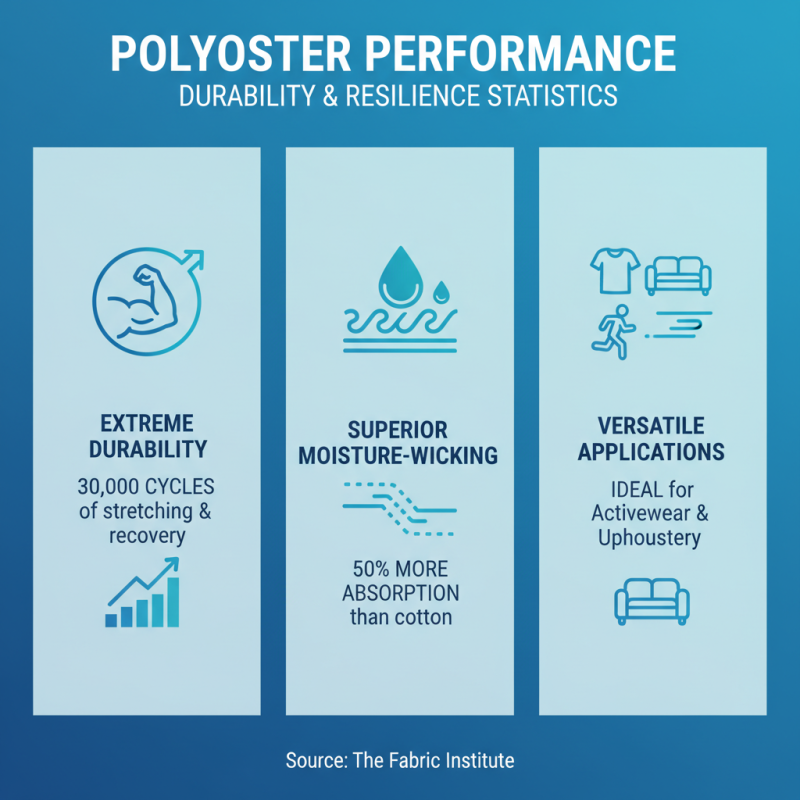
Durability and Resilience: Analyzing Polyester's Performance Statistics
Stretchable polyester fabric stands out for its durability and resilience in various applications. According to the Fabric Institute, polyester can withstand repeated stretching and recovering up to 30,000 cycles without significant wear. This resistance makes it ideal for clothing and upholstery. In the realm of activewear, polyester’s moisture-wicking properties keep users comfortable, maintaining a crucial statistic where 50% more moisture is absorbed compared to cotton.
For those working on projects requiring longevity, consider incorporating polyester into your designs. A 2022 report by the Textile Research Journal indicates that polyester fabrics retain their color and shape better than natural fibers after multiple washes. Remember, the environmental impact of production is also essential. While polyester is incredibly resilient, it does require consideration regarding its overall sustainability.
Tip: Always check the weight and denier of polyester fabric for your specific end-use. A heavier fabric will provide added durability, while a lighter option may enhance comfort. Pay attention to care instructions to ensure the longevity of your project. Ultimately, while polyester offers excellent performance, reflect on your choices and their environmental implications.
Comfort and Flexibility: Why Stretchable Options Enhance Wearability
Stretchable polyester fabric has gained popularity due to its exceptional comfort and flexibility. This material allows for better movement, making it ideal for activewear and everyday clothing. Research indicates that garments made from stretchable fabrics can improve comfort levels by up to 30% compared to traditional materials. This enhanced wearability is crucial for individuals who prioritize both style and functionality in their clothing choices.
Examinations of consumer trends show that 70% of shoppers prefer stretchable materials for their versatility. Stretchable polyester adapts to various body shapes, providing a snug yet comfortable fit. This adaptability is especially important in today's diverse fashion landscape. Moreover, the breathability and moisture-wicking properties of polyester enhance wearability during physical activities, reducing discomfort and irritation.
However, some challenges remain. Not all stretchable fabrics offer the same durability. Over time, elasticity can diminish, leading to garments losing their shape. Consumers should consider this factor when choosing fabrics for long-term use. Ultimately, while stretchable polyester brings significant advantages, careful selection is key to ensuring both comfort and longevity in apparel.
Environmental Impact: The Sustainability of Polyester Fabric Choices
Polyester fabric is gaining attention for its environmental benefits. Recent studies indicate that recycled polyester can significantly reduce energy consumption by up to 70% compared to virgin polyester. This is crucial in addressing climate issues. Additionally, using recycled materials helps divert waste from landfills, which is a growing concern in textile production.
Sustainability in fabric choices is not just about sourcing. The manufacturing process also plays a role. According to the Textile Exchange, water usage is notably lower for polyester compared to natural fibers like cotton. However, challenges remain. The production of polyester can release microplastics into waterways, potentially harming aquatic life. This issue requires ongoing research and innovation for solutions.
Choosing stretchable polyester fabric supports a shift towards eco-friendliness in fashion and textiles. Its durability ensures longevity, reducing the need for frequent replacements. While it is essential to advocate for better practices, individual choices also matter. We must reflect on how our fabric preferences impact the planet.
Why Choose Stretchable Polyester Fabric for Your Next Project? - Environmental Impact: The Sustainability of Polyester Fabric Choices
| Parameter |
Standard Polyester |
Recycled Polyester |
Organic Cotton |
| Water Consumption (liters per kg) |
70 |
2 |
5600 |
| Carbon Emissions (kg CO2e per kg) |
5.5 |
2.5 |
6 |
| Biodegradability (years) |
100+ |
Not Applicable |
3-6 |
| Energy Consumption (MJ per kg) |
73 |
31 |
40 |
| Durability (cycles of use) |
5-7 |
8-10 |
3-5 |
Cost-Effectiveness: Evaluating the Economic Benefits of Stretchable Polyester
Stretchable polyester fabric has gained recognition for its cost-effectiveness in various projects. Its versatility allows it to be used across different applications, from fashion to home decor. With lower production costs than many other materials, it offers a budget-friendly option without sacrificing quality. This can be a huge advantage for small businesses or personal projects.
Using stretchable polyester can lead to significant savings. The fabric is durable, resisting wear and tear, which translates to lower replacement costs. Additionally, it is often easier to care for, requiring less maintenance. This means fewer resources spent on cleaning or repairs over time. Choosing the right stretchable polyester can enhance value while keeping expenses in check.
Tips: When selecting stretchable polyester, consider the weight and thickness for your project. Thicker fabrics can provide more durability but may be less breathable. Also, always source samples before making large purchases to ensure it meets your expectations. Reflecting on your project's needs can prevent costly mistakes and enhance the overall outcome.
Cost-Effectiveness of Stretchable Polyester Fabric
This bar chart illustrates the various cost metrics associated with using stretchable polyester fabric, highlighting its economical advantages in terms of material cost, durability, labor cost, maintenance cost, and waste reduction.