How to Choose the Best Space Dye Fabric for Your Projects?
Choosing the right Space Dye Fabric for your projects can feel overwhelming. With so many options available, making a decision requires insight and expertise. According to textile expert Dr. Emily Carter, “Understanding the nuances of Space Dye Fabric is crucial for achieving the desired aesthetic and feel.”
Space Dye Fabric is unique due to its intricate color patterns and textures. It can elevate any garment or accessory, but not all fabrics are created equal. Factors like fiber content, dye techniques, and intended use play significant roles in fabric selection. For instance, cotton blends offer comfort and breathability, while synthetic options may provide durability and vivid colors.
Finding the perfect Space Dye Fabric involves more than simply choosing colors. It's essential to consider the end use of your project. The right choice can elevate your work, while a poor selection may lead to disappointment. As Dr. Carter emphasizes, “Experimenting with different fabrics is key to discovering what works best for you.” Balancing creativity and practicality is vital in this journey.
Understanding Space Dye Fabric: Definition and Characteristics
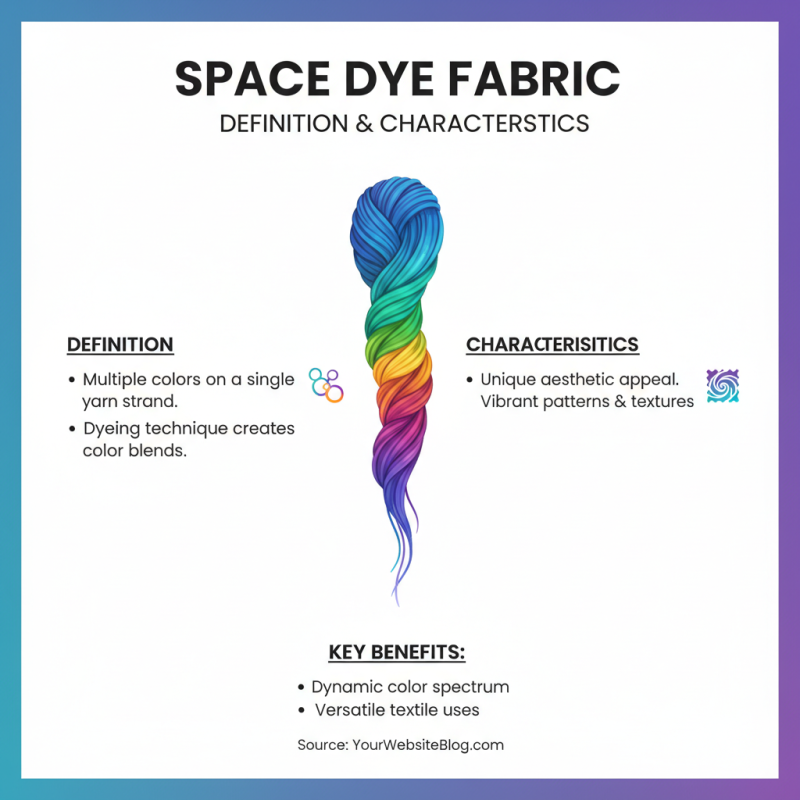
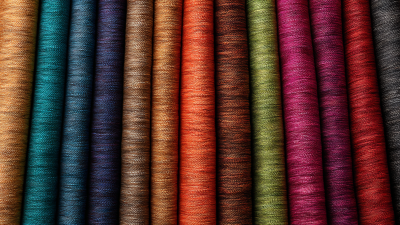
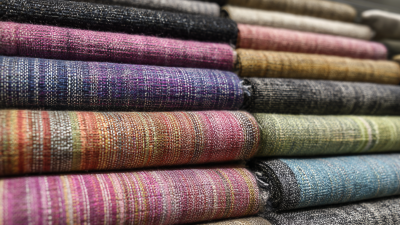
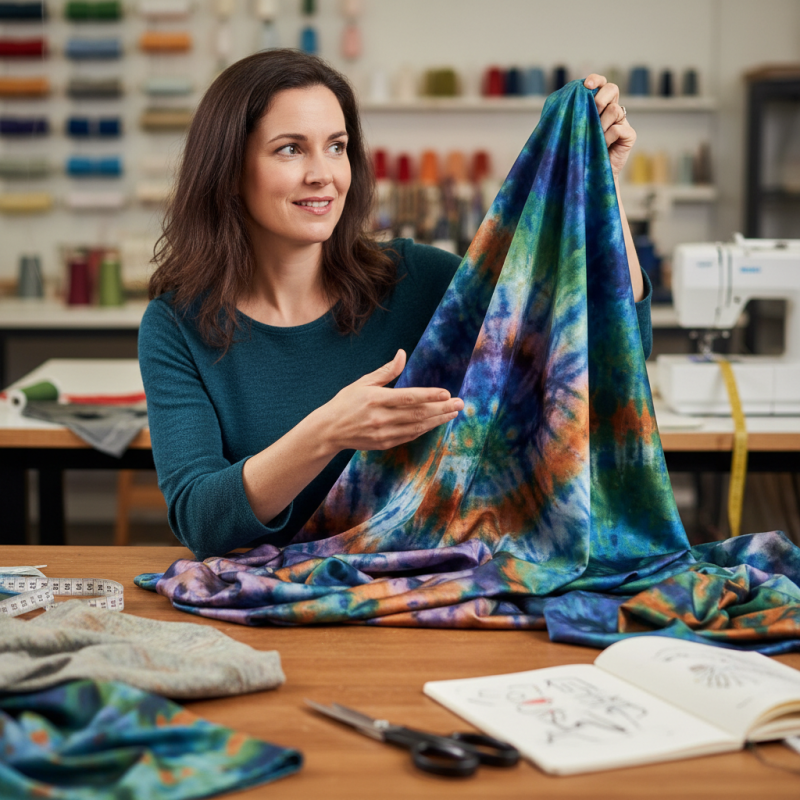
Space dye fabric is becoming increasingly popular in various textile applications. Its unique color blending provides an aesthetic appeal that traditional fabrics may lack. The term "space dye" refers to a dyeing technique that integrates multiple colors into a single strand of yarn. This results in a fabric that displays a spectrum of colors, creating vibrant patterns and textures.
Understanding the characteristics of space dye fabric is key to making informed decisions. This fabric is often made from synthetic fibers, enhancing its durability and colorfastness. According to a recent industry report, the global demand for space dye textiles is expected to grow by 5.2% annually. This trend indicates a rising appreciation for dynamic fabrics in fashion and home décor.
When selecting space dye fabric, consider the project’s intended use. For activewear, look for moisture-wicking properties and breathability. For home textiles, prioritize softness and durability.
Tip: Always request fabric samples before committing to a larger purchase. This will help assess color effectiveness and texture suitability.
Additionally, reflect on the potential challenges. Space dyeing can sometimes lead to color inconsistencies. It’s important to verify batch consistency to ensure a cohesive look in your finished project.
Tip: Keep a record of yarn batches to track dye variations. This will aid in achieving the desired visual effects.
Key Factors to Consider When Choosing Space Dye Fabric
When selecting the best space dye fabric, consider the fabric type carefully. Various fibers offer different qualities. For instance, polyester blends are durable and colorfast, while cotton delivers breathability and comfort. According to recent industry reports, 70% of consumers prefer fabrics that are both functional and stylish. This statistic highlights the importance of choosing the right blend for your specific project needs.
Another key factor is the dyeing process. Space dyeing creates unique patterns that can enhance the visual appeal of your projects. However, there can be inconsistencies in color and pattern. Understanding these variations can assist in managing your design expectations. Research indicates that inconsistency might account for 15% of fabric quality issues. It’s crucial to test samples before purchasing in larger quantities.
Lastly, consider the end use of the fabric. Will it be subjected to wear and tear? Fabrics used for athletic wear must withstand more stress than those for casual apparel. A study from fabric experts shows that performance fabrics can improve durability by up to 30% compared to traditional materials. Keeping these factors in mind can lead to more satisfactory project outcomes.
Analyzing Fabric Composition: Fiber Types and Their Impact
When selecting the best space dye fabric for your projects, understanding the fiber composition is crucial. Different fiber types such as polyester, nylon, and cotton each bring unique characteristics. For example, polyester is known for its durability and moisture-wicking abilities, making it ideal for athletic wear. Reports show that polyester blends account for over 60% of the global textile fiber consumption, highlighting its popularity in the industry.
On the other hand, natural fibers like cotton offer breathability and comfort, which can enhance consumer satisfaction. Yet, they may lack the durability required for high-performance applications. A study found that 45% of consumers prefer fabrics that combine versatility and comfort, underlining the importance of fiber selection. The choice of fiber not only affects the feel and usability of the fabric but also its environmental footprint. Unfortunately, many projects overlook sustainability, leading to increased waste.
It's essential to reflect on how fiber choices impact the overall effectiveness of space dye fabrics. Each project may require a different balance between comfort, durability, and environmental considerations. Analyzing the specific needs and potential compromises can improve both project outcomes and sustainability practices.
How to Choose the Best Space Dye Fabric for Your Projects? - Analyzing Fabric Composition: Fiber Types and Their Impact
| Fiber Type |
Composition (%) |
Durability |
Breathability |
Care Instructions |
| Cotton |
100% |
Moderate |
High |
Machine wash, tumble dry |
| Polyester |
100% |
High |
Moderate |
Machine wash, quick drying |
| Nylon |
100% |
Very High |
Low |
Hand wash recommended |
| Acrylic |
100% |
Moderate |
High |
Machine wash, gentle cycle |
| Rayon |
100% |
Low |
High |
Dry clean only |
Color Fastness and Durability: Essential Properties of Space Dye Fabric
When selecting space dye fabric, focus on color fastness and durability. These two properties are essential for any project. Color fastness refers to the fabric's ability to retain its hue after washing or exposure to sunlight. This is particularly important for garments that face frequent laundering or for items placed in direct sunlight, such as cushions.
Durability is another vital aspect to consider. A fabric with poor durability may fray or lose its color quickly. It can lead to disappointment after a few uses. Always check the thread count and material composition. Higher quality space dye fabrics typically last longer and retain their vibrant colors. Testing small swatches can reveal a lot about how the fabric behaves over time.
While exploring options, remember, no fabric is perfect. Some dyes might bleed, especially if exposed to heat. It’s wise to wash before using in larger projects. Also, consider how different fabrics handle dyes. Cotton might absorb differently than polyester. This variation can influence the final look and longevity of your creations.
Color Fastness and Durability of Space Dye Fabrics
Cost vs. Quality: Evaluating the Best Value in Space Dye Options
When choosing space dye fabrics, the balance between cost and quality is crucial. High-quality fabric will last longer and often look better. However, the price tag can sometimes be daunting. It's essential to evaluate what matters most in your projects. Certain fabrics may have a lower upfront cost but could lack durability. A judicious choice can save money in the long run.
Tips: Always ask for samples before making a large purchase. This gives you a tangible feel for the fabric's quality. Different dyes can also affect the texture. Some may bleed or fade, making them unsuitable for certain projects.
Color vibrancy is often linked to price. Cheaper fabrics might have a dull appearance after a wash. Test different brands to identify which offers the best longevity and visual appeal. Being willing to experiment could lead to unforeseen benefits, though it may require some initial investment. Look for fabric blends that combine quality with a lower cost.