Top 5 Tips for Choosing Microfiber Stretch Fabric for Your Needs
Choosing the right microfiber stretch fabric can significantly impact your projects. This material is known for its durability, comfort, and flexibility, making it an industry favorite. According to a recent report by Smithers Pira, the global microfiber textile market is expected to reach $16.1 billion by 2026, highlighting its growing popularity.
Microfiber stretch fabric is not only lightweight but also offers excellent breathability. These qualities make it suitable for various applications, including activewear and upholstery. However, selecting the ideal type can be challenging. You may encounter varying qualities and blends, which could affect both performance and longevity.
It’s essential to consider your specific needs. Factors such as stretch, weight, and texture play significant roles in the fabric’s effectiveness. Keep in mind that not all microfiber fabrics are created equal. Being informed can help ensure that you make a reliable choice for your projects.
Understanding Microfiber Stretch Fabric and Its Benefits
Microfiber stretch fabric is a versatile material known for its unique properties. It combines the softness of microfiber with the elasticity of stretch fabrics, making it ideal for various applications. The fabric is lightweight yet durable, allowing it to withstand wear and tear. You can use this material for clothing, upholstery, and even accessories. Its breathable nature adds to its appeal, ensuring comfort in various situations.
Understanding the benefits of microfiber stretch fabric begins with its moisture-wicking properties. This means it can draw sweat away from the body, keeping you cool. Additionally, it offers excellent stain resistance. However, not all microfiber is created equally. Some types may not have the same level of stretch or durability as others. This can lead to frustration if you choose the wrong kind for your project.
As with any fabric, the quality of microfiber stretch is paramount. Look for options that have a higher denier count for added strength. Consider how the fabric feels against your skin. Does it irritate? Is it too slippery? These are crucial questions to ponder before making your selection. Remember that while variety is fantastic, choosing the right type can be challenging and requires thoughtful consideration.
Top 5 Benefits of Microfiber Stretch Fabric
Identifying Your Specific Needs for Microfiber Stretch Fabric
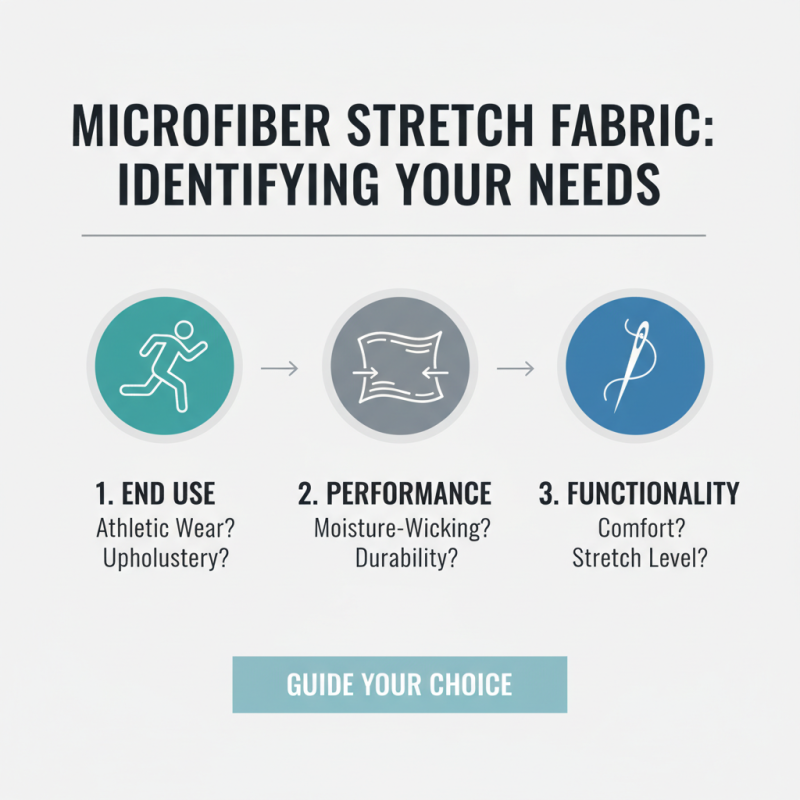
When selecting microfiber stretch fabric, it’s crucial to start by identifying your specific needs. The fabric’s characteristics can significantly impact performance and functionality. For example, do you need the material for athletic wear or home upholstery? Understanding the end use will guide your choice.
Consider the technical specifications of the fabric. According to the Textile Research Journal, microfiber can consist of fibers finer than 1 denier per filament. This attribute contributes to softness, durability, and moisture-wicking capabilities. Look for fabrics with a high percentage of spandex or similar materials if you need elasticity. Research indicates that fabrics with at least 10-15% stretch yarn enhance comfort and fit.
Be aware of the potential drawbacks too. Some microfiber materials may not be as breathable as natural fibers, which could lead to discomfort. It’s essential to weigh the advantages of durability and ease of care against potential downsides in breathability and overall comfort. Doing thorough research will help you make an informed decision.
Evaluating the Quality and Durability of Microfiber Fabrics
When selecting microfiber stretch fabric, quality and durability take the front seat. This type of fabric is known for its soft texture and incredible flexibility. However, not all microfiber is created equal. The weave and fiber density play a crucial role in determining the longevity of the fabric. Denser materials often resist wear and tear better than those with a looser weave.
Look for polyester and polyamide blends. These synthetic fabrics are often more resilient and can withstand daily use. While they have a smooth surface, be cautious when choosing colors. Some may fade quickly when exposed to sunlight or harsh cleaning agents. This is an area where consumers can easily overlook quality; vibrant colors can be misleading.
Testing the stretch and recovery capability of the fabric is essential. Pulling the fabric can reveal its durability. If it retains its shape after stretching, it’s a reliable choice. However, some may not bounce back as expected. It's important to factor in the environmental aspects too. Microfiber can shed tiny fibers in laundry, affecting ecosystems. Seek options that minimize environmental impact while ensuring durability.
Considering Weight, Stretchability, and Comfort in Selection
When selecting microfiber stretch fabric, consider weight carefully. Lighter fabrics can provide a smoother feel but might lack durability. Heavier options often offer more support and longevity, making them suitable for various applications. Some people might prefer lighter materials for clothing because they feel breezy, but this can sometimes lead to quicker wear and tear.
Stretchability is another critical factor. Microfiber fabrics vary in how much they stretch, impacting comfort and fit. A good stretch ratio enhances movement, especially for activewear. However, excessive stretch may cause the fabric to lose shape over time. It’s worth evaluating how the fabric maintains its form after multiple uses.
Lastly, comfort should never be overlooked. The texture of the fabric plays a significant role in wearability. Softer fabrics might feel amazing against the skin at first, but they can be less resilient against everyday wear. Balancing comfort with practical considerations can be challenging. Many find it worthwhile to test the fabric before buying.
Exploring Color, Texture, and Maintenance Requirements for Your Fabric
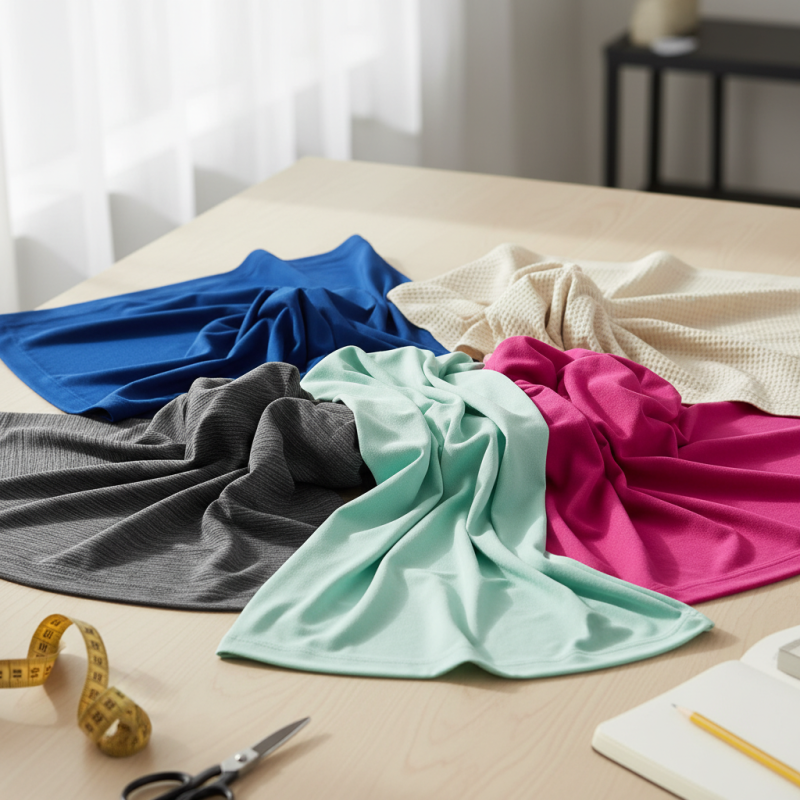
When selecting microfiber stretch fabric, color plays a crucial role. A vibrant shade can enhance the mood of your space. Meanwhile, a neutral color provides versatility. Consider the lighting in the area where the fabric will be used. Fabrics may appear different in various lights, which can affect your decision.
Texture is another vital aspect. Microfiber is known for its softness. However, not all textures will suit your preferences. Some textures may feel overly slick, while others offer a cozy feel. Test samples with your hands. This sensory experience can help you make the right choice.
Maintaining microfiber can be tricky. It is often machine washable but may require special care. Some fabrics attract dust, while others resist stains better. How easy or challenging the maintenance is should influence your selection. Conducting research on maintenance needs can save future hassles. Finding the right balance between aesthetics and practicality is essential. Each choice comes with its own sets of strengths and weaknesses that deserve reflection.