How to Choose Recycled Polyester Fabric for Sustainable Fashion?
In the evolving landscape of sustainable fashion, choosing the right materials is crucial. Recycled Polyester Fabric has emerged as a popular choice among eco-conscious designers. Reports indicate that the global demand for recycled polyester is anticipated to reach 9.3 million tons by 2025. This growth reflects a significant shift towards sustainable textile solutions.
As industry expert Dr. Emily Hart states, “The choice of materials defines the future of fashion.” Her insights emphasize the importance of considering not only the aesthetics of fabrics but also their environmental impact. While Recycled Polyester Fabric offers numerous benefits, such as reducing plastic waste and lowering energy consumption during production, it is essential to scrutinize supply chains and production methods critically.
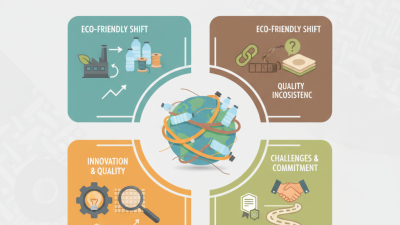
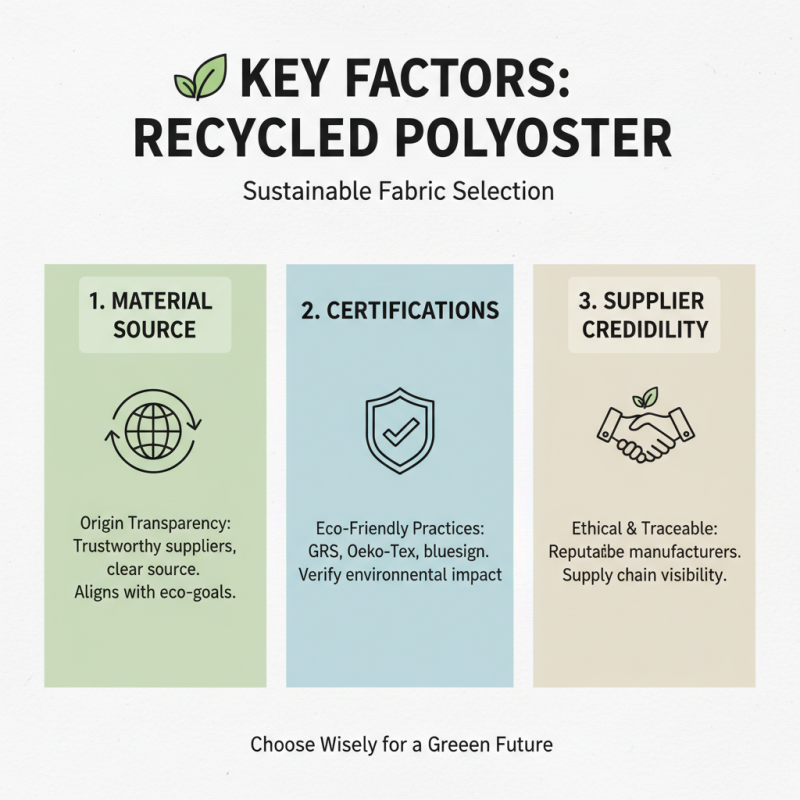
For every innovation, there are challenges to consider. Not all recycled polyester fabrics are created equal. Factors like the source of the recycled materials and the manufacturing process can vary widely. Understanding these nuances is key for designers committed to true sustainability.

Understanding Recycled Polyester: Definition and Environmental Impact
Recycled polyester, often labeled as rPET, is gaining traction in sustainable fashion. This material is derived from recycled plastic bottles and other post-consumer plastics. The potential to reduce waste in landfills is significant. According to The European Commission, a staggering 6300 million tons of plastic waste were generated globally in 2015. Only 9% of this was recycled. Choosing fabrics from recycled sources helps divert plastic from landfills.
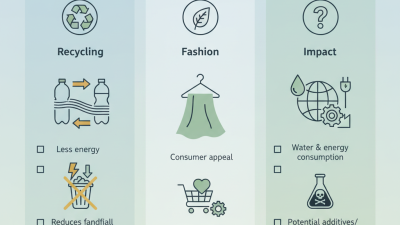
The environmental impact of using recycled polyester is noteworthy. It consumes 59% less energy compared to virgin polyester production. A report by the Fashion Transparency Index indicates that recycled polyester reduces CO2 emissions by up to 32% per kilogram produced. However, the process is not without its criticisms. Some argue that recycling does not fully eliminate the environmental burden. Microplastics released during washing pose a risk to marine life.
Quality must also be considered. Not all recycled polyester is created equal. Variability exists in durability and feel. The challenges in sourcing high-quality rPET can lead to lower production standards. Being critical of material choices is essential for truly sustainable fashion. Seeking certifications can help in understanding the impact of the fabrics used.
Benefits of Using Recycled Polyester in Sustainable Fashion Choices
Recycled polyester fabric offers numerous benefits for sustainable fashion choices. It reduces plastic waste and lessens the need for virgin materials. By choosing recycled polyester, consumers actively participate in an eco-friendly cycle. This fabric can be produced from post-consumer bottles and discarded textiles, giving new life to materials that would otherwise contribute to landfills.
When opting for recycled polyester, consider its durability and versatility. This fabric is strong and can withstand many washes. It also maintains vibrant colors, ensuring that your garments look fresh over time. However, quality can vary among suppliers, so researching fabric sources is essential. Not all recycled polyester is made equally.
**Tips:**
Always check certifications that ensure the fabric meets sustainability standards. Look for labels indicating the percentage of recycled content. Engaging with manufacturers about their processes can also provide insight. This can help ensure your fashion choices align with your values and support genuine sustainability efforts. Remember, being informed and questioning helps elevate the standard of sustainable fashion.
How to Choose Recycled Polyester Fabric for Sustainable Fashion? - Benefits of Using Recycled Polyester in Sustainable Fashion Choices
| Parameter |
Details |
| Source |
Post-consumer plastic bottles |
| Environmental Impact |
Reduces plastic waste and landfill use |
| Energy Savings |
Uses up to 60% less energy than virgin polyester |
| Durability |
Strong, robust fabric suitable for diverse applications |
| Moisture Wicking |
Excellent moisture management for comfort |
| Color Retention |
Maintains color vibrancy after multiple washes |
| Recyclability |
Can be recycled again at the end of its lifecycle |
| Comfort |
Soft feel comparable to traditional polyester |
Evaluating Quality and Durability of Recycled Polyester Materials
When evaluating the quality and durability of recycled polyester fabric, several key factors come into play. The texture is essential. Recycled polyester can feel different based on its manufacturing process. Some may be soft and smooth, while others could be coarse. Feel the fabric before purchasing. It’s important to consider how it will wear over time. A durable piece should withstand multiple washes without fading or losing shape.
Look for certifications that indicate a fabric's quality. These may reflect its environmental impact. Brands committed to sustainability often display such credentials. However, not all certifications are created equal. Some may have less stringent criteria. Scrutinize these details to ensure reliability.
Additionally, examine the fabric’s construction. A tighter weave often signifies greater durability. But don't overlook the materials’ weight. A lightweight fabric could be suitable for summer wear, yet struggle in durability compared to heavier options. Reflect on how you will use the fabric. Are you making everyday wear or special occasions? Each purpose may require different quality standards. Understanding these nuances can guide you toward making more informed choices.
Comparison of Recycled Polyester Fabric Quality Attributes
This chart illustrates the comparison of various quality attributes of recycled polyester fabrics. Key attributes assessed include tensile strength, tearing strength, pilling resistance, color fastness, and UV protection. These metrics are vital for evaluating the sustainability and durability of recycled polyester in sustainable fashion.
Certification Standards for Sustainable Recycled Polyester Fabrics
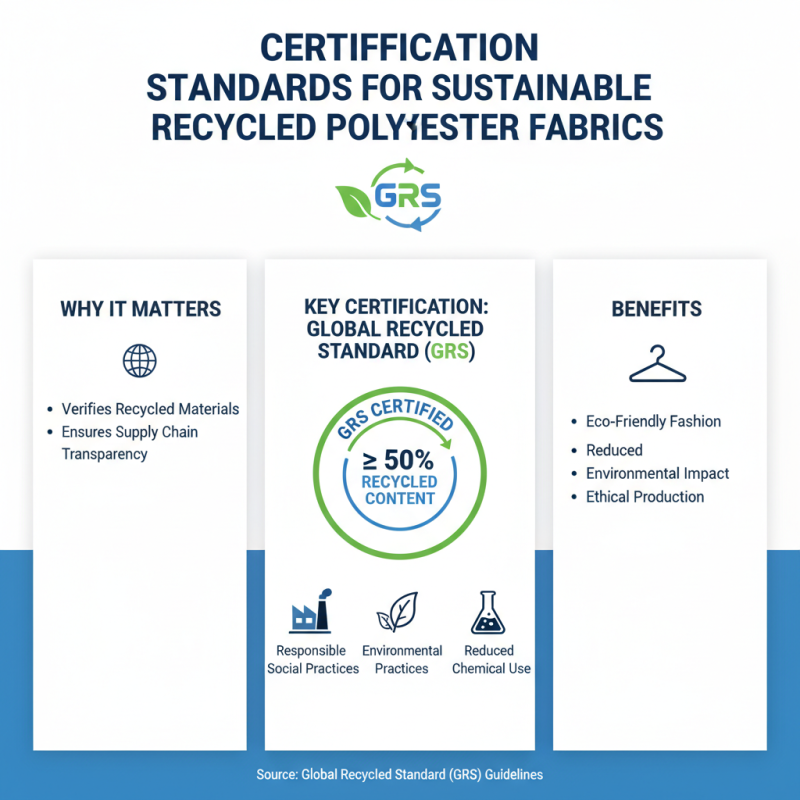
When selecting recycled polyester fabric for sustainable fashion, understanding certification standards is crucial. Various organizations set guidelines to verify recycled materials, ensuring transparency in the fashion supply chain. The Global Recycled Standard (GRS) is one such framework. It requires at least 50% recycled content in a product and promotes responsible social, environmental, and chemical practices.
Another essential certification is the Recycled Claim Standard (RCS). This standard focuses on traceability, ensuring that recycled materials used in production can be traced from the source to the final product. According to recent industry reports, fabrics certified under these standards typically reduce carbon emissions by up to 70%. This significant reduction plays a vital role in combating climate change.
Tips: Always look for GRS or RCS labels when purchasing fabrics. Checking these certifications fosters trust in the sustainability claims of manufacturers.
Beyond certifications, the journey of investigating sustainable fabrics can be daunting. Some recycled polyester may still be processed using harmful chemicals, which can raise concerns about sustainability. It’s crucial to remain vigilant about sourcing practices, as not all recycled fabrics deliver equal environmental benefits. Engaging with brands about their supply chain can provide deeper insights into their sustainability efforts.