How to Create Sustainable Fashion Using Recycled Fabric?
Sustainable fashion is gaining momentum in today's eco-conscious world. One effective way to embrace this trend is through the use of recycled fabric. This practice not only reduces waste but also minimizes the environmental impact of clothing production. Many brands are beginning to recognize the value of utilizing materials that have been repurposed.
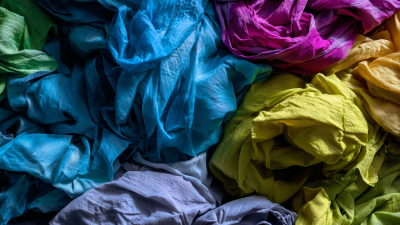
Recycled fabric comes from various sources, like old garments or industrial waste. Utilizing these materials can lead to creative and unique designs. Fashion lovers are often attracted to the stories behind recycled items. However, the journey to sustainable fashion is not without challenges. Sourcing quality recycled fabric can be difficult, and not all fabrics are created equal.
Some recycled materials may lack the durability or aesthetic appeal of virgin fabrics. Designers must carefully select the qualities that best complement their visions. As the movement grows, collaboration and innovation become crucial for improvement. Embracing recycled fabric helps us challenge the traditional fashion industry and fosters a more sustainable future.

Understanding the Importance of Sustainable Fashion
Sustainable fashion is more than a trend; it's a necessity. The fashion industry heavily impacts the environment. Millions of tons of textile waste are generated each year. This waste pollutes our land and oceans. By understanding sustainable fashion, we can create a positive change.
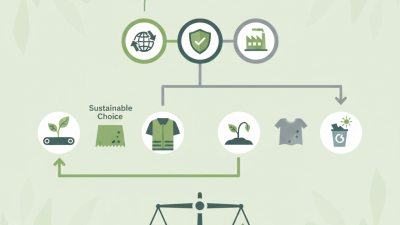
The importance of sustainable fashion lies in its ability to reduce environmental harm. Recycled fabric is a key component. It minimizes the need for new materials, saving energy and resources. Additionally, it decreases landfill waste. When garments are made from recycled sources, we promote a circular economy. This approach challenges the fast-fashion mentality, encouraging mindful consumption instead.
However, creating sustainable fashion is not without challenges. Many consumers still prioritize low costs over sustainability. Additionally, sourcing recycled fabrics can be inconsistent. This creates hurdles for designers aiming to be environmentally conscious. It’s essential to acknowledge these obstacles while striving for improvement. Adopting sustainable practices requires ongoing effort and reflection.
How to Create Sustainable Fashion Using Recycled Fabric? - Understanding the Importance of Sustainable Fashion
| Dimension |
Details |
| Recycled Materials |
Post-consumer and post-industrial fabrics such as cotton, polyester, and wool. |
| Environmental Impact |
Reduces landfill waste, conserves water, and decreases carbon emissions. |
| Sourcing Channels |
Charity shops, textile recycling centers, and excess inventory from manufacturers. |
| Economic Benefits |
Potential cost savings in raw materials and increasing consumer demand for eco-friendly products. |
| Design Considerations |
Focus on versatility, durability, and stylish appeal to attract eco-conscious consumers. |
| Market Trends |
Growing interest in sustainable products, increased involvement of influencers promoting eco-fashion. |
Types of Recycled Fabrics Suitable for Fashion Design
Recycled fabrics are gaining popularity in sustainable fashion design. Various types of these materials offer unique benefits and challenges. Organic cotton, for example, is often sourced from pre-consumer waste. It is soft and breathable but may lack durability over time. Designers should consider this when selecting materials for longer-lasting garments.
Another option is recycled polyester, created from discarded plastic bottles. This fabric is highly durable and moisture-wicking. However, its production process can be energy-intensive, raising concerns about its overall sustainability. It's essential to weigh the pros and cons before committing to this fabric choice.
Moreover, Tencel and lyocell fabrics are derived from wood pulp. They feel luxurious and are biodegradable, presenting a great alternative. Nonetheless, sourcing responsibly is crucial. Mismanaged forestry practices could undermine the environmental benefits. Engaging in discussions about these materials can help pave the way for ethical fashion solutions.
Types of Recycled Fabrics for Sustainable Fashion
Techniques for Sourcing and Processing Recycled Fabrics
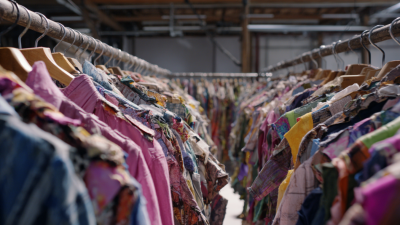
Sourcing recycled fabrics starts with understanding local resources. Visit textile recycling centers to find discarded materials. These centers often have fabrics that are still in good shape. Many garments can be repurposed, offering unique textures and colors. Forming relationships with suppliers is vital. Networking can lead to better deals and quality materials.
Processing recycled fabric requires careful planning. Begin by inspecting the fabric for damage. Small tears and stains can often be fixed, but not always. Consider using a variety of processing techniques, such as cutting, patching, or dyeing. Each method requires some skill and creativity, but imperfections can enhance the final product. Embrace the flaws; they tell a story.
Innovative designs can arise from constraints. Sometimes, a limited supply of material can inspire fresh ideas. Think outside the box and experiment with new styles. Collaborating with local artisans can bring new skills into the mix. This process may take time and patience, but the results can be rewarding. Reflect on each project; not every piece will succeed, but learning from mistakes is crucial.
Designing Fashion Items with Recycled Materials
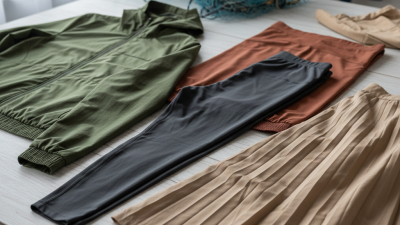
Designing fashion items with recycled materials is a creative and sustainable approach. The fashion industry is responsible for 10% of global carbon emissions. This alarming statistic highlights the urgent need to rethink how we produce clothing. By utilizing recycled fabrics, designers can reduce waste and lower their carbon footprint while still delivering stylish and trendy pieces.
Using materials like recycled polyester from plastic bottles or organic cotton remnants can lead to innovative designs. According to the Ellen MacArthur Foundation, if we continue on our current path, the fashion industry could consume more than 26% of the world's carbon budget by 2030. Yet, incorporating recycled fabrics can significantly lessen this impact. Fashion creators often face challenges with color consistency and fabric quality, but these issues can lead to unique, one-of-a-kind items that stand out in a saturated market.
Incorporating recycled materials requires a shift in mindset. Designers must embrace imperfection, inviting consumers to appreciate the story behind each piece. Creating collections that highlight the journey of recycled fabrics can enhance consumer engagement. As we move towards a more circular economy, the potential for innovation is immense. Success lies in collaboration and transparency within the supply chain, fostering a more responsible fashion industry.
Marketing Your Sustainable Fashion Line Effectively
Marketing a sustainable fashion line using recycled fabric requires creativity and strategy. Start by telling a compelling story. Share the journey of your fabrics. Explain where they come from and how they were transformed. A personal touch resonates deeply. It connects consumers to your brand’s mission.
Leverage social media to engage your audience. Use platforms like Instagram to showcase your designs. Share behind-the-scenes content of the production process. Highlight the positive environmental impact. However, remember that authenticity is key. Over-promising can lead to disappointment. Transparency about your practices fosters trust.
Collaborate with influencers who resonate with your values. Their endorsement can reach a wider audience. Choose partners who genuinely appreciate sustainability. This synergy feels genuine and impactful. Continuously adapt to feedback. Limitations in resources can lead to unexpected challenges. A willingness to learn from missteps can refine your approach and strengthen your brand.