What is Dyed Woven Fabric Benefits and Applications?
Dyed woven fabric is experiencing rapid growth in various industries, from fashion to home decor. Industry expert, Dr. Emily Carter, states, "Dyed woven fabrics combine color and texture, offering endless possibilities." This combination of aesthetics and durability makes dyed woven fabrics particularly appealing.
The benefits of dyed woven fabric are significant. They provide vibrant color retention and improved longevity. Additionally, these fabrics can be engineered for various applications, from luxurious gowns to functional upholstery. The versatility of dyed woven fabric enables designers to push creative boundaries.
However, not every application is without challenges. Some fabrics may fade over time or require careful maintenance. This reality prompts a reflection on the balance between beauty and practicality. As the industry evolves, the demand for innovation in dyed woven fabric production continues to grow.
Understanding Dyed Woven Fabric: Definition and Composition
Dyed woven fabric has gained attention in the textile industry due to its versatility and aesthetic appeal. This fabric typically consists of interlaced fibers, often made from cotton, polyester, or blends. The dyeing process incorporates various techniques, which enhance color vibrancy. According to a report by Grand View Research, the global dyed fabric market is expected to reach USD 221.31 billion by 2025. Such growth underscores the rising demand for high-quality textiles in fashion and interior design.
One key aspect of dyed woven fabric is its composition. Different fiber types contribute to distinct properties. For instance, cotton provides softness and breathability, while synthetic fibers may enhance durability and wrinkle resistance. The dyeing process itself can affect these characteristics. Studies indicate that eco-friendly dyes are now more widely used, reflecting consumer preference for sustainability. However, the shift to sustainable practices poses challenges. Not all manufacturers have the means or knowledge to implement these changes effectively.
Despite the advantages, dyed woven fabric also faces scrutiny. Issues such as colorfastness and environmental impact of traditional dyeing methods require attention. Reports suggest that about 20% of water pollution globally comes from textile dyeing. This raises questions about industry practices and encourages exploration into alternative methods. As the industry evolves, balancing aesthetic needs with environmental responsibility and functionality remains a complex challenge.
Benefits of Dyed Woven Fabrics in Various Industries
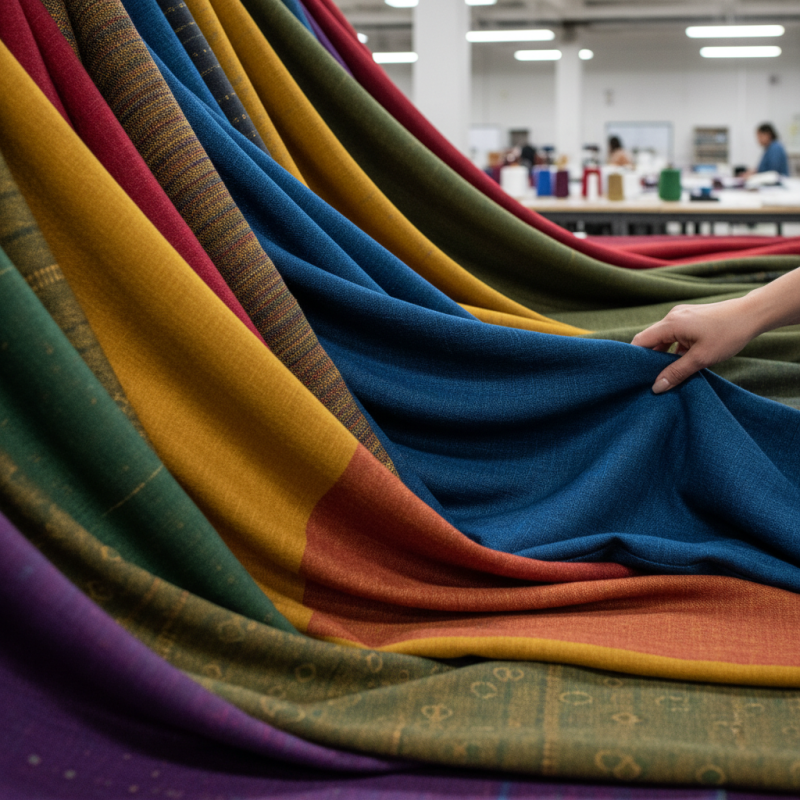
Dyed woven fabrics have numerous advantages across various industries. The vibrant colors enhance aesthetic appeal, making these textiles ideal for fashion and interior design. For instance, a colorful cotton woven fabric can breathe life into home decor. These fabrics also allow for intricate patterns that can captivate consumers.
In the automotive industry, dyed woven fabrics serve a crucial role. They are used in car interiors, offering both durability and style. A well-dyed fabric can withstand wear while maintaining its visual charm. In outdoor gear, these materials are often treated for UV resistance, ensuring they hold color over time despite harsh conditions. The demand for sustainable textiles has also led to a focus on eco-friendly dyes, reflecting a shift toward responsible manufacturing practices.
There are challenges as well. The dyeing process can sometimes lead to environmental concerns. While many manufacturers are shifting to greener methods, issues still exist, such as water waste and chemical runoff. Achieving perfect consistency in color is another hurdle. Variations might occur, which can affect the final product. Continuous innovation and reflection in dyeing techniques are essential to address these complexities.
What is Dyed Woven Fabric Benefits and Applications?
| Industry |
Benefits |
Applications |
| Fashion |
Vibrant colors, customizable designs |
Clothing, accessories |
| Home Textiles |
Durability, aesthetic appeal |
Curtains, upholstery, bed linens |
| Automotive |
High resistance to fading and wear |
Seat covers, interiors |
| Sports and Outdoor |
Moisture-wicking, UV protection |
Activewear, tents, tarps |
| Medical |
Antimicrobial properties, easy to clean |
Scrubs, hospital linens |
Common Applications of Dyed Woven Fabrics in Fashion and Textiles
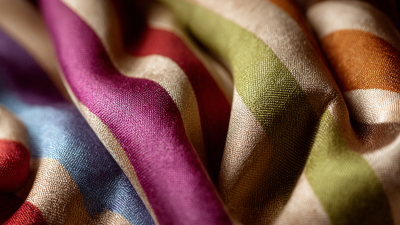
Dyed woven fabrics play a significant role in the fashion and textile industry. Their vibrant colors and intricate patterns bring life to various clothing items, from casual wear to elegant dresses. The dyeing process enhances the fabric's appeal and allows designers to create unique pieces. This uniqueness attracts consumers who seek individuality in their wardrobes.
In home textiles, dyed woven fabrics are equally important. They are used for curtains, upholstery, and bedding, bringing warmth and personality to living spaces. The rich colors can evoke emotions and influence the atmosphere of a room. However, the sustainability of dyeing processes raises concerns. Some dyes may harm the environment or affect fabric durability.
Fashion designers often strive for bold designs but must also consider the eco-friendly options available. This requires ongoing research and experimentation to find a balance. The challenge lies in maintaining aesthetic qualities while minimizing environmental impact. The allure of dyed woven fabrics lies not just in their appearance but also in the stories they tell and the materials they represent.
Environmental Impact and Sustainability of Dyed Woven Fabrics
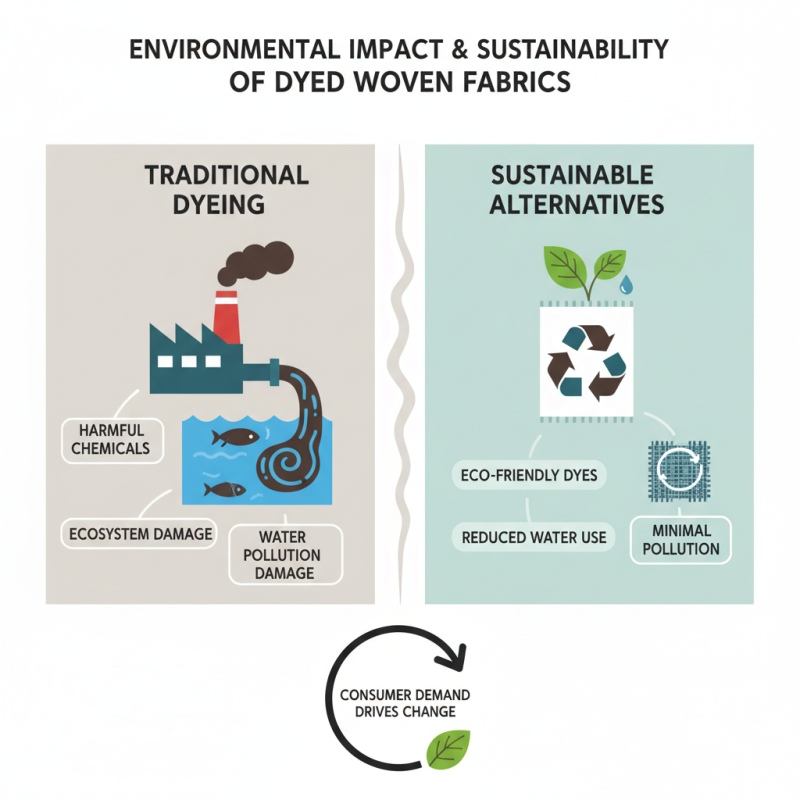
Dyed woven fabrics play an integral role in the textile industry, especially regarding environmental considerations. The dyeing process can lead to significant environmental impacts, particularly when harmful chemicals are involved. Many traditional dyes release pollutants into waterways. This can affect local ecosystems and water quality. Consumers are increasingly aware of these issues, seeking sustainable alternatives that minimize ecological harm.
Sustainability in dyed woven fabrics involves using eco-friendly dyes and materials. Natural dyes derived from plants or insects can reduce environmental footprints. These dyes often yield vibrant colors while being less toxic. Moreover, organic cotton and bamboo fabrics are popular choices as they require fewer pesticides and chemicals. Some manufacturers are exploring innovative dyeing methods that use waterless techniques. This not only decreases water usage but also enhances sustainability.
Despite these advancements, challenges remain. Many dyed woven fabrics still rely on synthetic dyes. The industry must continue to focus on improving dyeing processes and material sourcing. Transparency in supply chains is essential to ensure environmental responsibility. Addressing these concerns requires collaboration among manufacturers, consumers, and policymakers. The path toward sustainable dyed woven fabrics is ongoing and necessitates thoughtful reflection and action.
Future Trends in Dyed Woven Fabric Development and Innovation
The future of dyed woven fabric is poised for remarkable evolution. Innovations in dyeing techniques are emerging, focusing on sustainability and environmental impact. New methods, such as natural dye extraction and waterless dyeing processes, are gaining traction. These approaches reduce water consumption and minimize toxic waste. Alongside this, research in bio-based dyes is increasing. These dyes offer vibrant colors while being eco-friendly.
Advancements in technology are changing fabric production. Digital printing allows for intricate designs and patterns without excessive dye use. This technology supports customizations, catering to individual preferences. Manufacturers are exploring smart textiles that integrate dyes that respond to stimuli, offering untapped potential for fashion and functionality.
However, challenges remain. Reliable sourcing of natural dyes can be complex. Furthermore, balancing cost efficiency with eco-friendly practices is still a concern. While progress is promising, the industry must remain cautious. Striving for quality and sustainability should guide future innovations. Reflecting on these developments will help steer the dyed woven fabric sector towards a more responsible future.