Stretching softshell fabric can improve comfort, fit, and movement, but it is not as simple as pulling harder. This layered textile often combines a woven face, a breathable membrane, and a soft backing. Each layer reacts differently to heat, moisture, and pressure. A careless method may leave shiny marks, distorted seams, or permanent thinning.
This guide explains how to Stretch Softshell Fabric without weakening its structure. It draws on practical garment-handling experience and common textile-care principles. Before changing a finished jacket or pair of trousers, test a hidden fabric area. Use gentle, even tension rather than sudden force. A warm, damp cloth may help relax some fibers, while direct high heat can damage coatings or adhesives. Do not assume every softshell behaves alike.
Small steps matter.
The process should also consider fabric age, stretch direction, seam construction, and water-resistant finishes. Measuring the garment before and after each attempt creates a reliable record. Stop when the material resists, wrinkles sharply, or loses its original recovery. In some cases, alteration by an experienced tailor is safer than home stretching. That recommendation may seem cautious, but softshell fabric can hide damage beneath its surface. Even careful testing has limits, especially when the membrane is bonded rather than knitted. A successful result should preserve comfort, shape, flexibility, and protective performance—not simply add extra width.
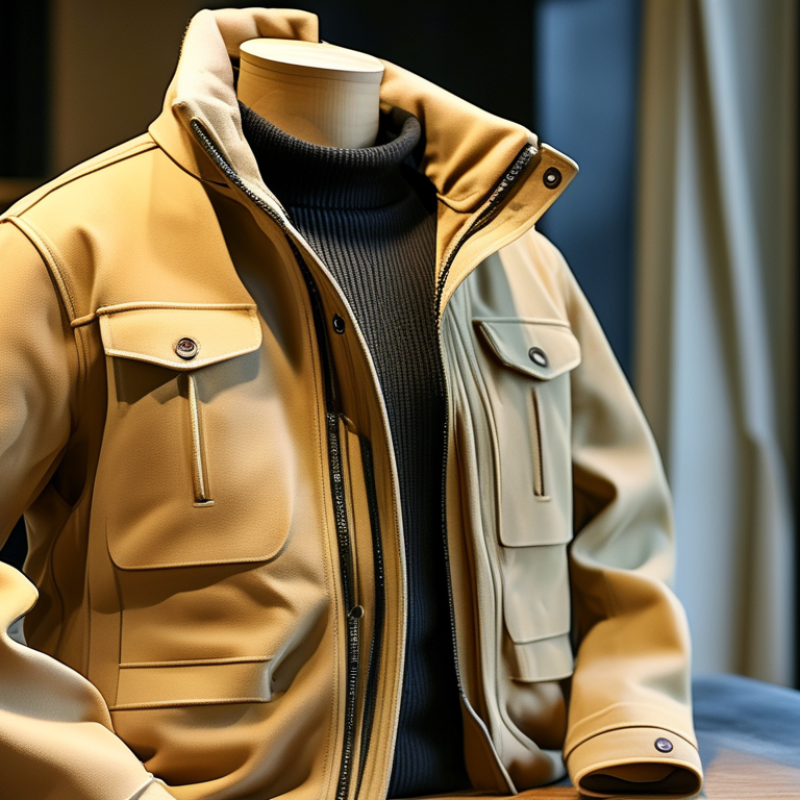
Softshell fabric is usually a layered material, not a simple stretch knit. Its outer woven face resists wind, while an inner membrane and fleece backing provide protection and comfort. Some softshells contain elastane, but others rely only on mechanical stretch from their weave. That difference matters. A fabric may feel flexible without tolerating strong, repeated pulling.
In garment work, I test a small offcut before shaping the full panel. I mark two points five centimeters apart, then stretch the fabric gently across the grain. After releasing it, I measure the points again. If the gap remains wider, the fabric has likely suffered permanent deformation. I also inspect the membrane for ripples. They can appear before visible damage.
For minor shaping, place the fabric on a padded surface and apply even tension with your hands. Work slowly, never forcing one corner. Light moisture may soften some fibers, but it can also affect coatings, so testing is essential. Avoid hot irons, dryers, and sharp clips. High heat can weaken laminated layers or flatten the fleece.
I once pulled a softshell panel too far near a seam. The surface looked fine, but the stitching line became wavy after washing. That mistake changed my method: stretch the whole area, not just the narrow section needing adjustment. The result is slower. It is also more reliable. Check the fabric again after twenty-four hours, because delayed recovery can reveal limits that immediate testing misses.

Before stretching softshell fabric, inspect its surface, backing, and seams for weak areas. Look for peeling layers, loose threads, or crushed fibers. Clean the fabric according to its care instructions, then let it dry completely. I usually allow it to rest overnight on a flat table. This helps remove tension from storage and handling.
Prepare a large, clean work area with enough space for the fabric to lie flat. Dust and grit can press permanent marks into the surface. Use a flexible measuring tape, a ruler, fabric clips, chalk, and a smooth pressing cloth. Clips are safer than sharp pins because punctures may damage the membrane. Keep a spray bottle nearby, but add moisture only when the fabric instructions allow it. Excess water can affect some bonded layers.
Mark the grain, stretch direction, and target measurements before applying force. Test the method on a small fabric sample first. I prefer gentle, even pressure from both hands instead of pulling one edge sharply. Secure one side with clips, then extend the opposite side gradually. Avoid hot tools and sudden jerks. I once skipped the sample test and created a faint shiny patch. That mistake looked small, but it changed the fabric’s finish. Recheck the measurements often, because softshell can relax after stretching and may not return evenly.
How to Stretch Softshell Fabric Without Damage?
Testing Stretch on a Hidden Section
Before stretching softshell fabric, test an unseen area. Choose the inside hem, seam allowance, or a section beneath a pocket. The hidden patch should match the main fabric. Clean, dry material gives more reliable results. Mark two small points, about five centimeters apart. Measure the distance before applying pressure. This simple record prevents guesswork.
Hold the fabric with both hands and pull gently across its natural stretch direction. Do not twist it. Increase pressure slowly for five seconds, then release it. Wait one minute and measure the marks again. Watch for surface whitening, ripples, broken stitches, or separation between fabric layers. Stop immediately if any sign appears. Softshell can feel flexible while its membrane remains vulnerable. It is easy to mistake softness for unlimited recovery.
Repeat the test once, using slightly less force. I once stretched a sample too quickly and judged it by touch alone. The fabric looked fine, but the marks stayed wider afterward. That mistake changed my process. If the test area recovers fully, try the intended adjustment in short stages. Leave time between each stage. Avoid heat, sharp tools, and sudden pulling. A fabric may pass a hand test yet fail after sewing tension is added. Record the result, even if it seems imperfect. Small differences can reveal where damage begins.
| Fabric Construction | Test Strip Size | Initial Length | Hand Stretch Load | Stretched Length | Extension | Length After 30 Minutes | Permanent Growth | Hidden-Section Result |
|---|---|---|---|---|---|---|---|---|
| Three-layer woven softshell | 50 × 250 mm | 100 mm | 20 N | 116 mm | 16% | 102 mm | 2% | Pass — no visible damage |
| Bonded fleece-back softshell | 50 × 250 mm | 100 mm | 20 N | 118 mm | 18% | 103 mm | 3% | Pass — slight fleece compression only |
| Four-way stretch knitted softshell | 50 × 250 mm | 100 mm | 20 N | 124 mm | 24% | 101 mm | 1% | Pass — strong recovery |
| Lightweight stretch laminate | 50 × 250 mm | 100 mm | 15 N | 114 mm | 14% | 102 mm | 2% | Pass — no delamination observed |
| Dense woven softshell with membrane | 50 × 250 mm | 100 mm | 20 N | 110 mm | 10% | 104 mm | 4% | Caution — limited recovery |
| Softshell with printed surface coating | 50 × 250 mm | 100 mm | 15 N | 112 mm | 12% | 102 mm | 2% | Caution — minor surface whitening |
Test method: Mark a 100 mm gauge length on an inconspicuous area, apply gradual tension by hand, hold for 10 seconds, release, and measure again after 30 minutes. Stop immediately if the membrane, coating, seam, or surface begins to whiten, crack, distort, or delaminate.
How to Stretch Softshell Fabric Without Damage?
Applying Gentle Heat, Moisture, and Even Tension
Softshell fabric often contains stretch fibers, a woven face, and a protective inner layer. These parts can react differently to heat and pressure. I recommend testing a hidden seam before changing the garment’s shape. A small sample can reveal problems early.
Lightly mist the fabric with clean water. Do not soak it. Place the damp softshell between two clean towels, then warm it briefly with a hair dryer on its lowest setting. Keep the dryer moving. Hot spots may flatten the surface or weaken the fabric coating. Be careful here. Lay the garment on a flat, padded surface. Apply slow, even tension with your hands, or use smooth clips around the edges. Avoid sharp clamps. They can leave permanent marks.
Hold the fabric in its new position while it cools completely. A tailor’s pressing form can help maintain gentle tension, but never force tight curves. Softshell may recover after stretching. That is normal. I once pulled a panel too quickly and created a slight ripple near the seam. The fabric looked better after cooling, but the shape was not perfect. Patience matters more than strength.
Check the measurements after each short treatment. Repeat only when necessary. Avoid direct ironing, boiling water, tumble drying, and strong chemical sprays. If the fabric has taped seams or a waterproof finish, professional alteration is the safer choice.
Applying gentle heat, moisture, and even tension
Care-label iron settings are based on maximum soleplate temperatures: low heat is up to 110°C, medium heat is up to 150°C, and high heat is up to 200°C. For softshell fabric, use the lowest setting allowed by the garment label, add light moisture only when permitted, and apply slow, even tension rather than pulling sharply. Always test an inconspicuous area first.
After stretching softshell fabric, check it before cutting or sewing. Lay it flat on a clean table. Measure the same points again. Compare the width, length, and edge alignment with your original notes. A useful check is recovery. Stretch a marked section gently, then release it. Wait five minutes. Measure it again. If it remains noticeably wider, the fibers or laminated layers may be stressed. Do not continue immediately.
Look closely at the surface. Permanent damage can appear as shiny bands, ripples, puckering, or separated layers. Hold the fabric near a window, but avoid direct heat. Light may reveal thin spots or distorted coating. Test water resistance on a hidden area with a few drops. If moisture spreads quickly, stretching may have opened the face or disturbed the membrane. This test is not laboratory proof, but it offers a practical warning.
Prevent lasting damage with slow, even tension. Support the whole fabric panel. Never pull only one corner. Keep softshell away from radiators, hot irons, and dryers. Heat can lock in distortion. Let the material rest at room temperature before judging recovery. I once measured too soon and accepted a false result. That mistake still influences my process. Repeat the check after several hours. If recovery remains poor, reduce the planned stretch, adjust the pattern, or use another piece. Stop early. Softshell often looks stronger than it is.