What is the Most Stretchable Fabric for Global Buyers?
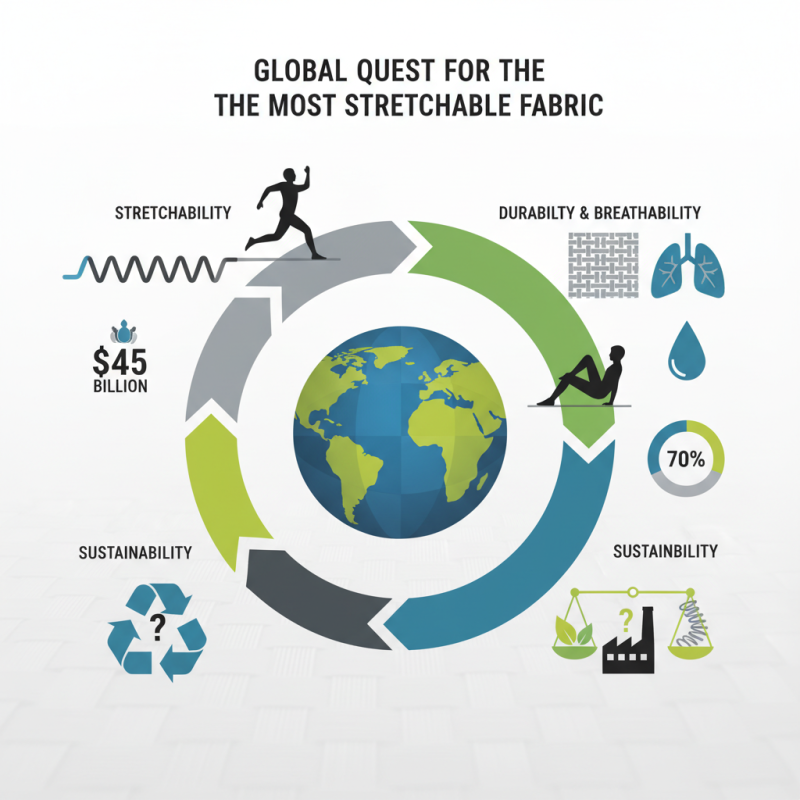
The quest for the "Most Stretchable Fabric" is gaining momentum in the global textile market. According to a report by Research and Markets, the stretchable fabric market is expected to expand significantly, reaching a valuation of $45 billion by 2026. This growth is driven by rising demand in sportswear and activewear sectors. Materials like spandex, elastane, and advanced blends showcase impressive elasticity, catering to diverse consumer needs.
Industry experts emphasize that the characteristics of stretchable fabrics extend beyond mere elasticity. Durability, breathability, and comfort are critical as well. For instance, a recent survey from Textile World revealed that 70% of consumers prioritize comfort along with stretchability in their fabric choices. As global buyers consider options, evaluating fabric performance across various applications becomes vital.
However, challenges exist. Some manufacturers overlook the importance of sustainable practices. The environmental impact of producing synthetic stretchable fabrics raises questions. Buyers must reflect on these aspects when sourcing. Balancing functionality and sustainability is paramount for future innovations in the pursuit of the "Most Stretchable Fabric.
What is Stretchability in Fabrics: An Overview
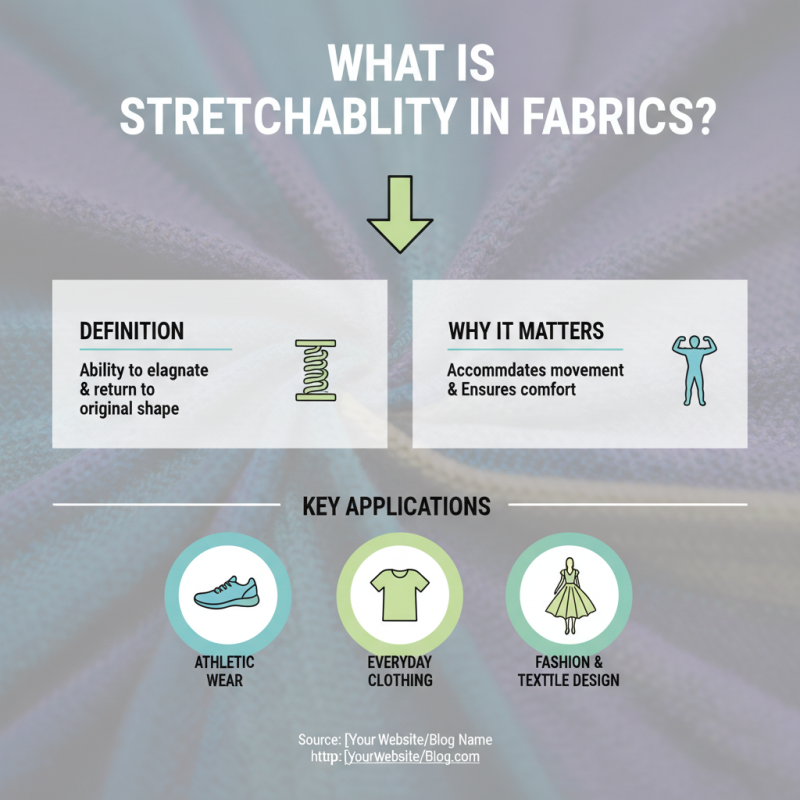
Stretchability in fabrics refers to a material's ability to elongate and return to its original shape. This characteristic has gained significant attention in fashion and textile design. Many industries seek fabrics that can accommodate movement without compromising their aesthetics. Stretchable fabrics are essential for garments that require comfort, such as athletic wear and everyday clothing.
Two main types of stretchability exist: mechanical and elastic. Mechanical stretch involves the fabric's structure, allowing it to move easily with the body’s motion. It often relies on the weave pattern. In contrast, elastic stretch depends on materials like spandex or elastane, which provide inherent stretch. Some fabrics may offer a combination, blending practicality with style. This fusion allows for innovative designs while addressing consumer comfort and functionality.
Despite advancements, challenges remain. Some stretchable fabrics may lose their shape over time. Others can lack breathability or feel uncomfortable against the skin. Reputable sourcing and manufacturing are crucial in addressing these concerns. Choosing the right fabric requires understanding both its stretch characteristics and potential drawbacks. Such an analysis helps ensure that the final product meets the desired standards of both quality and performance.
Key Properties of Highly Stretchable Fabrics
When exploring highly stretchable fabrics, several key properties come into play. Stretchability is often measured by fabric elasticity, defined as the ability to return to its original shape after stretching. This property is essential in applications ranging from activewear to medical textiles. According to a report by the Textile Research Journal, fabrics can vary widely, with some offering up to 600% elongation before breaking.
Another crucial factor is breathability. Highly stretchable fabrics often incorporate moisture-wicking properties. This feature ensures comfort in various environments, making these fabrics suitable for both athletic and casual wear. The American Association of Textile Chemists and Colorists highlighted that breathability is vital in maintaining body temperature during physical activities.
Durability is also a significant concern. While stretchable fabrics need to maintain elasticity, they must also resist wear and tear. Not all stretchable materials can endure heavy use. Some may lose their elasticity after repeated stretching, which is a potential drawback. Studies suggest that incorporating high-quality fibers can enhance durability while maintaining flexibility. The intersection of these properties creates a complex landscape for global buyers seeking the best stretchable fabrics.
What is the Most Stretchable Fabric for Global Buyers? - Key Properties of Highly Stretchable Fabrics
| Fabric Type |
Stretch Percentage |
Composition |
Applications |
| Spandex |
400%-600% |
Polyurethane |
Activewear, Underwear |
| Nylon/Spandex Blend |
300%-500% |
Nylon, Spandex |
Swimwear, Dancewear |
| Polyester/Spandex Blend |
200%-400% |
Polyester, Spandex |
Sportswear, Casual Wear |
| Cotton/Spandex Blend |
20%-50% |
Cotton, Spandex |
Everyday Wear, Denim |
| Kevlar |
Up to 50% |
Para-aramid |
Protective Clothing |
Most Commonly Used Stretchable Fabrics in the Market
Stretchable fabrics have become essential in various industries, from fashion to sportswear. Understanding the most commonly used stretchable fabrics helps buyers make informed choices. One popular option is spandex, known for its incredible elasticity. It can stretch up to five times its original size, making it perfect for activewear and form-fitting clothing.
Another commonly used fabric is nylon. It’s lightweight and durable, allowing for great stretch. Nylon blends often enhance fabric performance. However, it can be prone to snagging, which may reduce longevity over time. Polyester also makes a strong showing in the stretchable fabric category. It often combines with other materials for added flexibility. Yet, the breathability can sometimes lag compared to natural fibers.
Cotton blends are valuable for comfort and breathability too. They provide some stretch while being soft against the skin. However, excessive washing may reduce their elasticity. When selecting a stretchable fabric, consider factors like intended usage and required durability. Understanding these nuances informs better choices, though the perfect fabric may not always exist.
Applications of Stretchable Fabrics Across Industries
Stretchable fabrics have transformed numerous industries, gaining attention for their versatility and comfort. In the wearables sector, reports indicate a 15% increase in demand for stretchable materials from 2020 to 2023. This surge is driven by technological advancements in textiles, making them suitable for smart clothing applications. Features like moisture-wicking and temperature regulation are now common in athletic wear, enhancing performance.
The healthcare industry also benefits from these innovations. Stretchable fabrics are utilized in compression garments and medical wear. Research forecasts a growth rate of 10% in this segment, largely due to the rising prevalence of chronic diseases that require supportive apparel. Moreover, these fabrics support wearable health-monitoring devices, enabling real-time data transmission for better patient care.
In fashion, designers are exploring new design possibilities with stretchable textiles. However, challenges persist. Sustainability remains a concern, as many stretchable fabrics are derived from non-renewable resources. More research is required to develop eco-friendly options without compromising functionality. Balancing innovation with environmental impact mandates collaborative efforts across the fabric industry.
Applications of Stretchable Fabrics Across Industries
Factors Influencing Buyers' Choices for Stretchable Fabrics
When selecting stretchable fabrics, buyers often weigh various factors that impact their choices. Comfort and breathability stand out as primary considerations. According to the Textile World report, 68% of consumers prioritize comfort in their fabric selections. This preference leads to a demand for materials that not only stretch but also allow for airflow, such as spandex blends.
Durability plays a crucial role as well. A survey by the Fabric Institute revealed that 75% of buyers seek long-lasting materials. This need reflects a growing trend toward sustainable fashion. The balance between elasticity and strength can be challenging. Often, highly stretchable fabrics may sacrifice durability. This raises questions about the trade-offs companies should consider.
Price is another decisive factor. Data from the International Textile Manufacturers Federation shows that cost-effectiveness influences 63% of purchasing decisions. It's essential to weigh the advantages of superior stretchable fabrics against budget constraints. This aspect is particularly relevant in markets with intense competition where consumer expectations continually rise. Buyers find themselves navigating complex choices, reflecting an ever-evolving industry landscape.