What is Natural Elastic Fabric and Its Benefits for Buyers?
Natural Elastic Fabric is gaining popularity among consumers for its unique qualities. This innovative fabric combines natural fibers with elastic properties, providing comfort and flexibility. The use of organic materials in its composition makes it an eco-friendly choice, appealing to environmentally conscious buyers.
The benefits of Natural Elastic Fabric extend beyond its sustainability. It offers excellent breathability and moisture-wicking properties, making it ideal for various activities. Whether for active wear or everyday clothing, this fabric adapts to movements, ensuring a perfect fit. This adaptability often surprises new users, who may not expect such flexibility from natural fibers.
Understanding Natural Elastic Fabric requires more than a surface look. Its production involves skilled craftsmanship and a commitment to quality. Buyers seeking reliability in their garments can trust this fabric, knowing it merges functionality with environmental responsibility. However, potential users should consider their specific needs and preferences when choosing materials, as not every option suits everyone.

What is Natural Elastic Fabric?
Natural elastic fabric is gaining popularity due to its unique properties.
This type of fabric is made from organic materials, which enhance its flexibility and breathability.
Common fibers include cotton, linen, or wool.
These materials allow the fabric to stretch while maintaining its original shape. As a result, it offers comfort and durability.
One of the standout features of natural elastic fabric is its
eco-friendliness.
Unlike synthetic alternatives, it decomposes more easily. This characteristic makes it a sustainable choice for environmentally conscious consumers.
Moreover, natural fibers often come with
moisture-wicking properties. This helps regulate temperature and keeps the body dry during physical activities.
However, it's important to note that natural elastic fabrics may require more care than synthetic ones.
They can be
sensitive to high temperatures and detergents.
Buyers should be mindful when washing and drying these fabrics. Observing proper care can significantly extend the
lifespan of the material.
Composition and Sources of Natural Elastic Fabric
Natural elastic fabric is made from fibers that are derived from nature. These materials include cotton, wool, and natural latex. Each fiber has its unique characteristics, making it suitable for various applications. Cotton provides breathability and softness. Wool offers warmth and elasticity. Natural latex is known for its stretch and durability.
Many buyers prefer natural elastic fabrics for their comfort and sustainability. These fabrics are often biodegradable and less harmful to the environment compared to synthetic alternatives. However, sourcing these materials can sometimes be challenging. Ethical considerations in harvesting these fibers are crucial.
Some fabrics may contain blends that dilute their natural benefits. Buyers need to consider the overall composition to ensure quality. Additionally, the production processes may vary. This inconsistency can affect the final product's performance and reliability. Educating oneself about these aspects is essential when choosing the right fabric.
Benefits of Natural Elastic Fabric
This bar chart represents the various benefits of natural elastic fabric, highlighting attributes such as comfort, durability, sustainability, breathability, and versatility. Each benefit is scored on a scale from 1 to 10 based on its significance in textiles.
Advantages of Using Natural Elastic Fabric
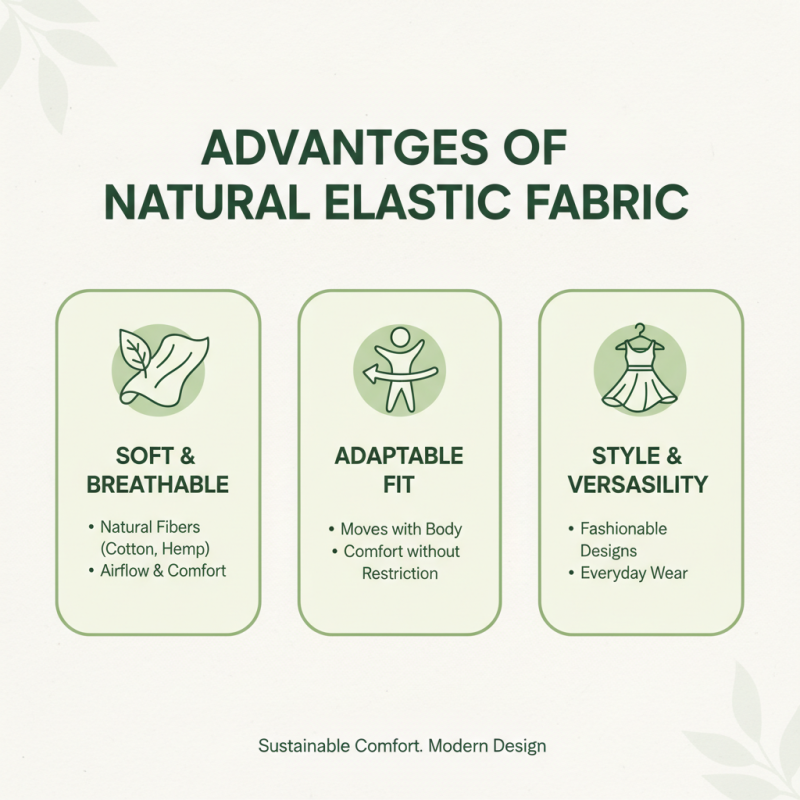
Natural elastic fabric is increasingly popular among buyers for its unique qualities. This type of fabric is made from natural fibers, like cotton or hemp, combined with elastic materials. The result is a soft, breathable textile that adapts to the body's movements. It provides a comfortable fit without sacrificing style.
One of the key advantages is its versatility. Natural elastic fabric can be used for various clothing items, such as activewear or casual wear. This fabric allows for easy movement, making it ideal for workouts or daily activities. It is also biodegradable, making it a sustainable choice. Many buyers appreciate fabrics that do not harm the environment.
The durability of natural elastic fabric is another significant benefit. It can withstand regular use while maintaining its shape and quality. However, it can require special care during washing to retain its properties. Some buyers may overlook the importance of proper maintenance, which could reduce the fabric's lifespan. It’s a reminder to pay attention to care instructions to maximize the benefits of this exceptional material.
Applications of Natural Elastic Fabric in Various Industries
Natural elastic fabric is gaining traction across various industries due to its unique properties. A report from the Textile Institute highlights that global demand for elastic textiles is projected to grow by 7% annually through 2025. This growth is attributed to the increasing use of natural elastic fabric in apparel, particularly activewear and swimwear. These fabrics offer remarkable stretch, durability, and comfort, enhancing the overall user experience.
In the fashion industry, natural elastic fabric is becoming a preferred choice for sustainable clothing lines. Designers are incorporating these materials to minimize environmental impact while meeting consumer demand for flexibility. According to a survey by the Sustainable Fashion Forum, over 60% of consumers prefer brands that use eco-friendly materials. This shift signifies a critical transition towards sustainable practices in production.
Healthcare is another sector embracing natural elastic fabrics. Stretchable bandages and compression garments provide comfort and support for patients. A study published in the Journal of Textile Science noted that 75% of healthcare professionals favor elastic materials for their soothing qualities. This focus on comfort exemplifies the potential of natural elastic fabric to meet diverse needs while also pushing for sustainability in medical supplies.
What is Natural Elastic Fabric and Its Benefits for Buyers? - Applications of Natural Elastic Fabric in Various Industries
| Application Area |
Material Type |
Benefits |
Industries |
| Sportswear |
Organic Cotton and Spandex |
Breathability, moisture-wicking |
Athletics, Fitness Clothing |
| Activewear |
Bamboo Fiber and Lycra |
Eco-friendly, soft texture |
Yoga, Running |
| Underwear |
Hemp and Tencel |
Natural antibacterial, comfortable fit |
Lingerie, Boxers |
| Medical Textiles |
Silk and Elastane |
Hypoallergenic, soft on skin |
Healthcare, Hospital Wear |
| Home Textiles |
Linen and Natural Rubber |
Durability, ease of maintenance |
Bedding, Upholstery |
Tips for Buyers When Choosing Natural Elastic Fabric
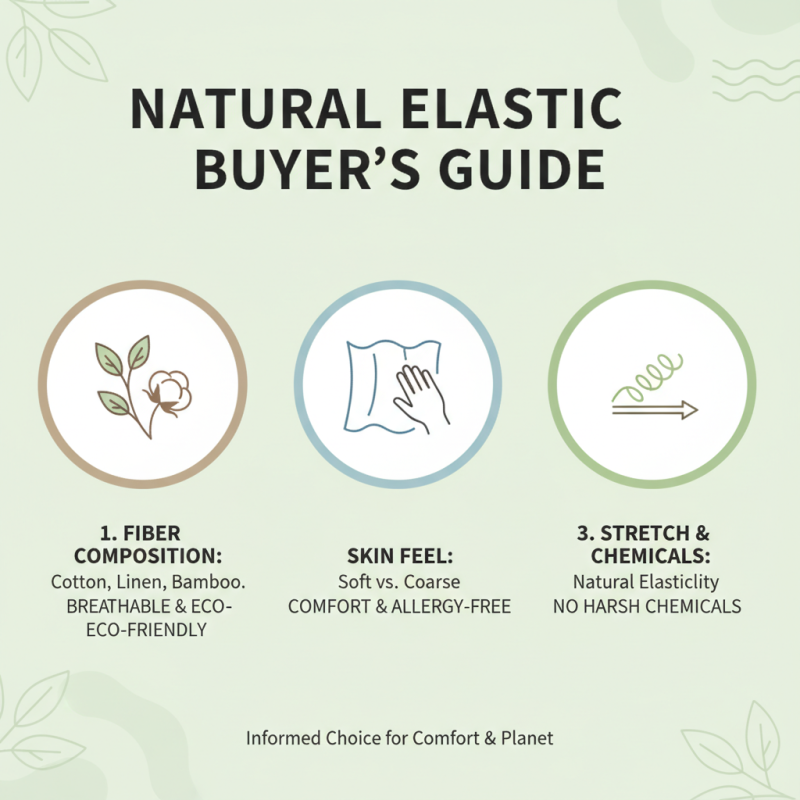
When choosing natural elastic fabric, buyers should consider several factors. First, understand the fiber composition. Fabrics made from cotton, linen, or bamboo are breathable and eco-friendly. They offer comfort and stretch without the harsh chemicals found in synthetic materials. Consider how the fabric feels against the skin. Some natural fabrics can be coarse, while others are silky. Knowing these differences helps make an informed choice.
Another important tip is to check for durability. Natural elastic fabrics can vary in strength. Look for fabrics that can withstand frequent washing and wearing. This is key for long-term value. Pay attention to care instructions as well. Some fabrics may require special care, which could impact their longevity. Recognizing this aspect guides you to make a purchase you won’t regret.
Lastly, think about the elasticity level. Fabrics can stretch differently based on their weave. Some may lose their shape after a few wears. This can lead to dissatisfaction. Testing the fabric's stretch before buying helps ensure it meets your needs. Reflect on these considerations and choose wisely for your projects.