What is Recycled Denim Fabric and Why is it Sustainable?
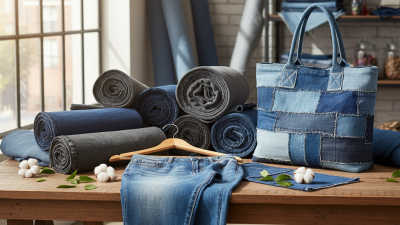
Recycled Denim Fabric is increasingly recognized for its sustainability. This innovative material is made from post-consumer denim waste. The recycling process not only reduces landfill waste but also conserves water and energy. Industry reports estimate that producing recycled denim uses up to 90% less water than conventional methods.
Expert in sustainable fashion, Dr. Linda Zhang, emphasizes, "Recycled Denim Fabric transforms waste into opportunity." This notion addresses a critical issue in the fast-fashion industry, where the environmental impact is often overlooked. It creates a loop of sustainability, but challenges remain.
Recycled Denim Fabric is not a complete solution. The quality and durability of recycled products can vary. Consumers may be hesitant to embrace recycled options fully. Education and awareness are crucial for growth in this sector. The potential for a circular economy in fashion is promising, yet requires collaboration and commitment.
What is Recycled Denim Fabric? An Overview of Its Composition
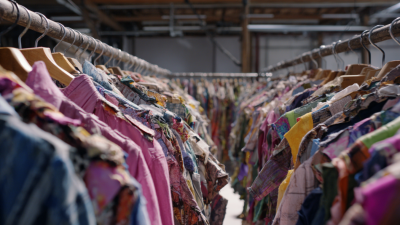
Recycled denim fabric is created from post-consumer and post-industrial waste. This process significantly reduces environmental impact. For instance, recycling one pair of jeans can save up to 7,000 liters of water. This is a staggering statistic in a world where water scarcity is a pressing issue.
The composition of recycled denim varies. Typically, it includes around 80% cotton, blended with other fibers like polyester. This blend enhances both strength and durability. Studies indicate that recycled denim can reduce carbon emissions by up to 30%. However, the recycling process requires energy and may not be as efficient as it appears. While it diverts waste from landfills, quality control is essential to maintain fabric integrity.
Additionally, the market for recycled materials is still developing. Many manufacturers encounter challenges sourcing high-quality denim. The inconsistency in material can lead to durability issues in the final product. There is room for improvement in developing better recycling techniques. Finding a balance between sustainability and functionality remains a challenge for the industry.
The Environmental Impact of Traditional Denim Production Compared to Recycled
Traditional denim production has a significant environmental footprint. It often requires vast amounts of water to grow cotton. Some reports suggest that producing a single pair of jeans can consume over 1,800 gallons of water. Additionally, the dyeing process can release harmful chemicals. These practices contribute to pollution and resource depletion.
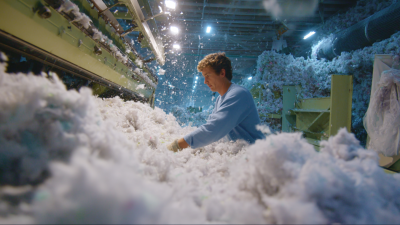
In contrast, recycled denim fabric offers a more sustainable alternative. This process repurposes old denim garments, reducing textile waste. It often requires less water and fewer resources than traditional methods. Recycling can cut down energy use and emissions. However, the recycling process is not flawless. Some materials may not break down completely, leading to quality inconsistencies. Still, the shift towards recycled denim fabric is a step in the right direction. It highlights the need for a more eco-friendly fashion industry.
Statistics on Water Usage: How Recycled Denim Reduces Water Waste
Recycled denim fabric is emerging as a sustainable alternative in the fashion industry. Traditional denim production is water-intensive, often requiring thousands of liters for just one pair of jeans. In stark contrast, recycled denim significantly reduces water waste. It repurposes old jeans, cutting down on the resources needed for new fabric creation.
Statistics reveal that producing new denim may consume up to 10,000 liters of water. Imagine wearing jeans that not only look good but also save precious water. Recycled denim can use up to 90% less water in its production. This substantial reduction makes it an eco-friendly option for conscious consumers.
Tips for going green: Look for clothing made from recycled materials. Supporting brands that prioritize sustainability helps drive change. Also, consider donating your old jeans instead of tossing them. This act can contribute to a circular fashion system. Remember, small steps toward sustainability matter. Each conscientious choice adds up over time.
The Role of Recycled Denim in Circular Fashion and Sustainable Practices
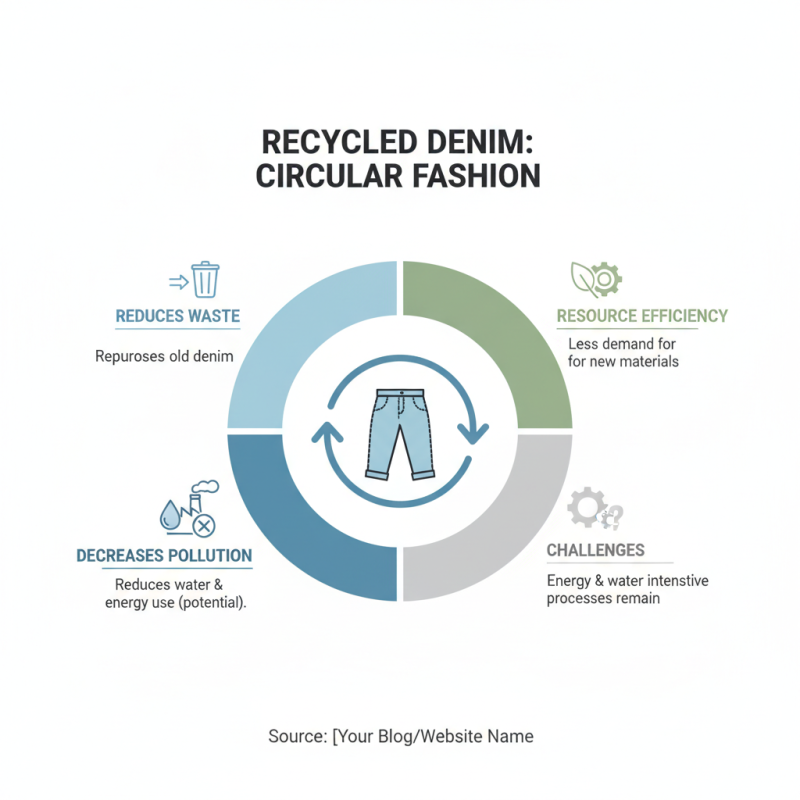
Recycled denim fabric is becoming an important player in circular fashion. This sustainable material reduces waste and promotes resource efficiency. By repurposing old denim, we decrease the demand for new resources. The transformation process, however, is not without challenges. Many recycled fabrics still require energy and water, raising questions about their overall sustainability.
In the context of sustainable practices, recycled denim contributes to a lower carbon footprint. Each piece of recycled fabric represents a step away from traditional manufacturing. Yet, the quality of recycled denim can vary widely. Sometimes, it lacks the durability of virgin denim. This inconsistency raises concerns among consumers who prioritize both sustainability and quality in their fashion choices.
Circular fashion encourages a mindset shift. It challenges us to rethink our consumption habits. While recycled denim offers an innovative solution, our commitment is essential. The journey towards sustainability is ongoing and imperfect. Embracing recycled materials in our wardrobes is just one step in this larger process. The pursuit of a truly circular economy requires ongoing reflection and adjustment.
Consumer Trends: Increasing Demand for Sustainable Recycled Denim Products
As consumers become more eco-conscious, the demand for sustainable products rises. Recycled denim is at the forefront of this trend. It combines style and sustainability, appealing to a growing audience. Many consumers seek denim that not only looks good but is kinder to the planet.
This shift in consumer behavior signifies a larger movement toward sustainability in fashion. Shoppers increasingly prioritize recycled materials, creating a ripple effect in the industry. However, some challenges remain. Not every recycled denim product is made equally. The quality can vary, and some processes still consume significant resources.
Yet, the beauty of recycled denim is undeniable. It offers a tangible connection to sustainability efforts. From the texture to the finishes, each piece tells a story. The imperfect nature of recycled materials often adds character. Consumers appreciate the unique variations in color and design. This encourages them to reflect on their choices. They recognize that every purchase impacts the environment.