Is Recycled Pet Fabric the Best Choice for Eco-Friendly Fashion?
The fashion industry faces a significant challenge: sustainability. As consumers become more eco-conscious, materials like Recycled Pet Fabric gain popularity. This fabric, made from recycled plastic bottles, offers a potential solution. However, is it truly the best option for eco-friendly fashion?
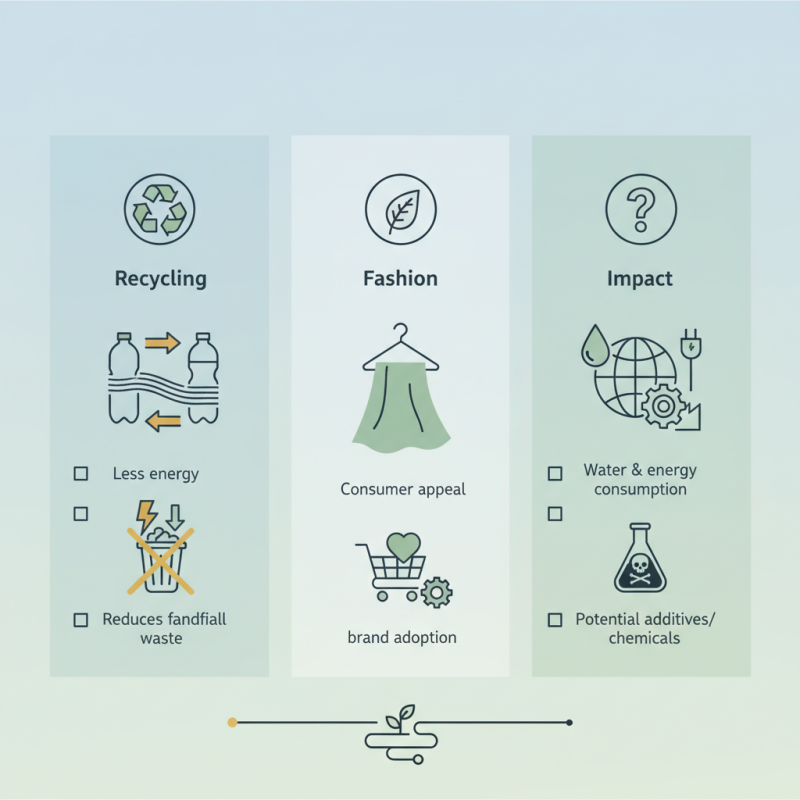
Recycled Pet Fabric has advantages. It uses less energy compared to virgin polyester production. The process reduces waste in landfills, addressing plastic pollution. Many brands embrace this material, attracting eco-aware consumers. Yet, the environmental cost is not entirely clear. Some manufacturing processes still consume water and energy.
Moreover, not all recycled fabrics are created equal. Some may contain harmful additives or chemicals. This raises questions about the overall sustainability of clothing made from Recycled Pet Fabric. It’s essential to evaluate and reflect on its impact. The journey to sustainable fashion is complex and requires informed choices.
Understanding Recycled PET Fabric: Definition and Properties
Recycled PET fabric is created from plastic bottles. This innovative process transforms waste into fashion. The fabric has unique properties that make it appealing for eco-friendly clothing lines. It is lightweight, durable, and moisture-wicking. These characteristics help reduce the need for virgin materials.
One interesting aspect is its environmental impact. Recycled PET significantly lowers energy consumption compared to new plastics. This can lead to lower carbon emissions. However, the process can be energy-intensive and not entirely carbon neutral. It's vital to consider these factors while advocating for sustainability.
Tips: When shopping, look for clothing made from 100% recycled PET. Check for certifications that ensure ethical recycling practices. Remember, not all recycled items are created equal. Assess the entire lifecycle, from production to disposal. Awareness can guide better choices.
Environmental Benefits of Using Recycled PET in Fashion Industry
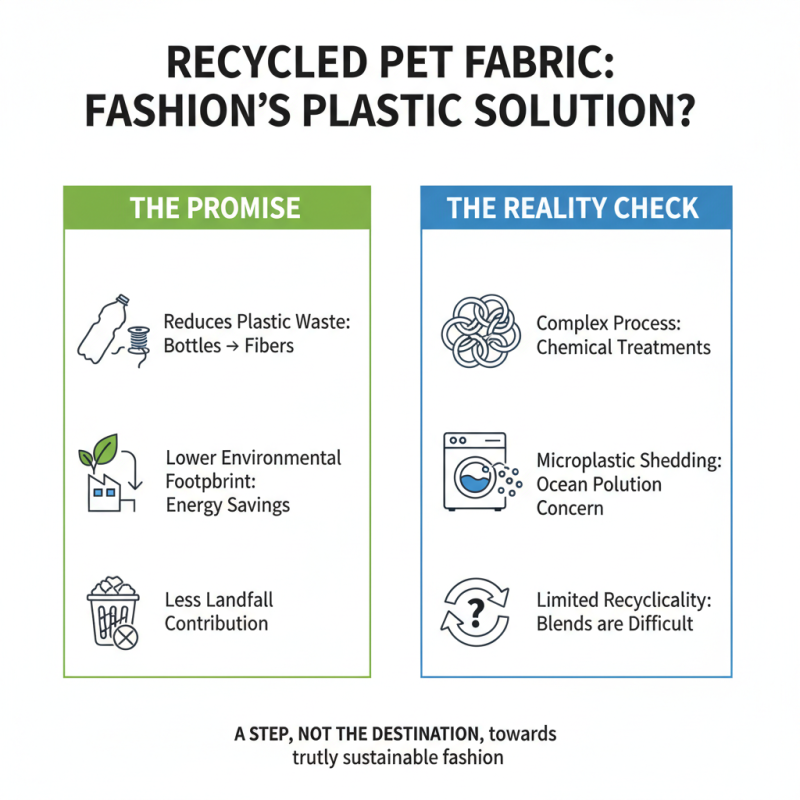
Recycled PET fabric has gained attention in eco-friendly fashion. It offers a meaningful way to reduce plastic waste. By transforming discarded plastic bottles into fibers, the fashion industry can lower its environmental footprint. This process can lead to substantial energy savings and reduced landfill contributions. However, the reality is more complex.
While using recycled materials is a step forward, the process isn't perfect. The recycling of PET often involves energy-intensive methods. Some argue that this can diminish the true environmental benefits. Furthermore, the quality of recycled fibers might not match that of virgin PET. This means potential compromises in durability and feel. Consumers may also find the aesthetics different from traditional fabrics.
Despite these challenges, the shift towards recycled PET reflects a growing awareness. It encourages brands to be accountable for their materials. Every small change matters in reducing reliance on new plastics. Yet, it remains essential to consider the entire lifecycle of fabrics. Are we truly making progress, or just swapping one problem for another? This question deserves reflection as we move forward.
Comparative Analysis: Recycled PET vs. Other Eco-Friendly Fabrics
When considering eco-friendly fashion, recycled PET (rPET) fabric stands out, but how does it compare to other options? Recycled PET is made from plastic bottles, reducing landfill waste. This fabric is lightweight and durable. However, its production process still requires energy and water, raising questions about sustainability.
In contrast, organic cotton is another popular choice. It uses significantly less water and avoids harmful pesticides. Yet, organic cotton’s cultivation demands extensive land and time, leading to a slower production cycle. Hemp, another eco-friendly fabric, is resilient and requires little water. While hemp is beneficial, it struggles with consumer awareness and market availability.
Ultimately, while recycled PET offers advantages, it’s not without flaws. Other organic fabrics may have their own set of challenges. The perfect solution might not exist. Consumers need to weigh the pros and cons carefully. Each choice impacts the environment differently, urging a thoughtful approach to fashion.
Is Recycled Pet Fabric the Best Choice for Eco-Friendly Fashion?
| Fabric Type |
Recycled PET |
Organic Cotton |
Tencel |
Hemp |
| Carbon Footprint (kg CO2e/kg) |
3.4 |
2.7 |
1.6 |
0.3 |
| Water Consumption (liters/kg) |
20 |
7400 |
500 |
220 |
| Renewability |
No |
Yes |
Yes |
Yes |
| Biodegradability |
No |
Yes |
Yes |
Yes |
| Durability |
High |
Medium |
High |
High |
Challenges and Limitations of Recycled PET Fabric in Fashion
Recycled PET fabric has gained traction in eco-friendly fashion. However, it faces significant challenges and limitations. One major issue is the quality of the recycled material. Reportedly, only 28% of PET bottles are collected for recycling, and of those, a fraction becomes high-quality fabric. As a result, the durability and texture of the fabric may not match that of virgin materials.
Another challenge lies in the energy consumption associated with recycling processes. While it’s less than producing new polyester, it still contributes to the overall carbon footprint. According to the Ellen MacArthur Foundation, recycling consumes about 60% of the energy needed for polyester production. This raises questions about the true sustainability of recycled PET.
**Tip:** When choosing recycled fabrics, examine the source and processes involved. Look for certifications that ensure the sustainability of the recycle chain.
Additionally, not all recycled PET fabrics are biodegradable. They often still contribute to microplastic pollution. This is concerning, as studies show that more than 1 million tons of microfibers enter oceans annually from synthetic fabrics. The allure of eco-friendly fashion can sometimes overshadow these pressing issues.
**Tip:** Consider mixing materials or opting for biodegradable alternatives occasionally. This can balance eco-conscious choices with environmental impacts.
Challenges and Limitations of Recycled PET Fabric in Fashion
Future Trends in Eco-Friendly Fashion Using Recycled Materials
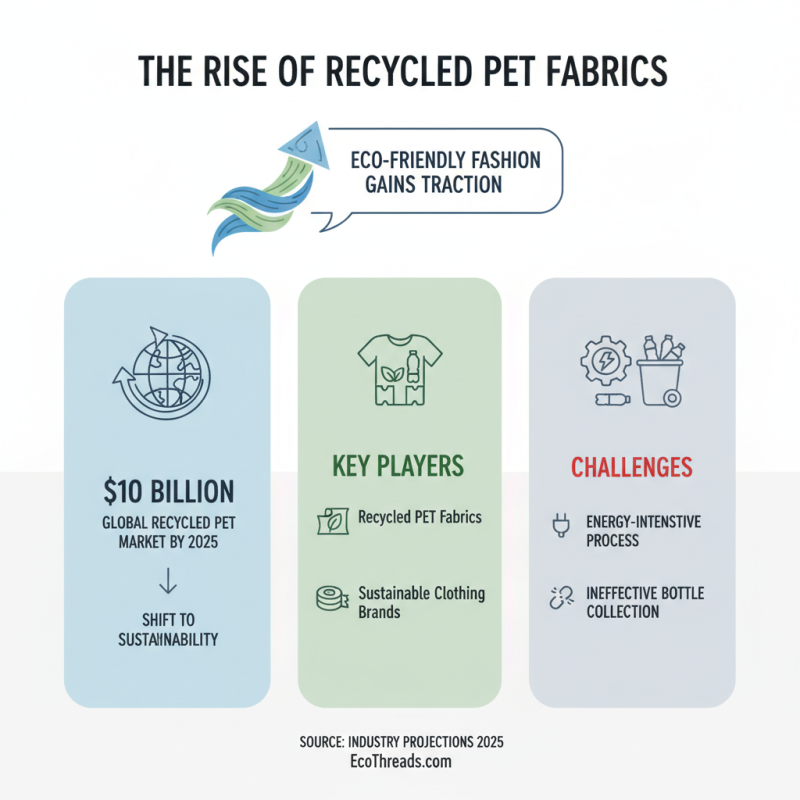
As eco-friendly fashion gains traction, recycled PET fabrics are emerging as key players. The global market for recycled PET is projected to reach $10 billion by 2025, reflecting a shift towards sustainability. Yet, the process is not flawless. Recycling PET requires significant energy, and not all bottles are collected effectively.
The future suggests a blend of recycled materials in various textiles. Innovations in production techniques could help reduce energy consumption. For instance, technologies like chemical recycling show potential, converting waste into new fibers. This could enhance the use of recycled fabrics in mainstream fashion. However, there may be challenges related to water usage and chemical pollution.
Moreover, consumers must remain vigilant. Recycled PET can still shed microplastics during washing, causing environmental concerns. Raising awareness about these issues is essential. Industry reports have stated that microplastics will constitute up to 50% of ocean pollution by 2025. Thus, while recycled fabrics present promising solutions, options must be examined critically for a truly sustainable future in fashion.