What is Recycled Polyester Fabric and Why is it Important?
Recycled Polyester Fabric is a growing trend in sustainable fashion. Experts like Dr. Emma Green, a leading researcher in textile innovation, emphasize its significance. She states, "Recycled Polyester saves resources and minimizes environmental impact."
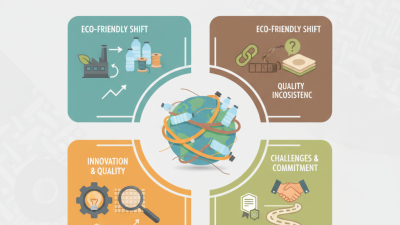
The production of Recycled Polyester Fabric utilizes plastic waste, transforming it into a valuable material. This process not only reduces landfill waste but also decreases the need for virgin polyester. In a world grappling with pollution, this fabric offers a beacon of hope. Yet, challenges remain in quality consistency and acceptance in the fashion industry.
Adopting Recycled Polyester Fabric requires a shift in mindset. Consumers need to prioritize sustainability in their choices. As the industry evolves, more brands must commit to using this material. Embracing these fabrics might be imperfect, but it sparks essential conversations about environmental responsibility.
What is Recycled Polyester Fabric?
Recycled polyester fabric is an innovative textile made from recycled plastic bottles and other plastics. This material significantly reduces the reliance on virgin polyester, which is derived from petroleum. According to a report by the Textile Exchange, the production of recycled polyester can have a 50% lower carbon footprint compared to traditional polyester. This shift is crucial for reducing environmental impact.
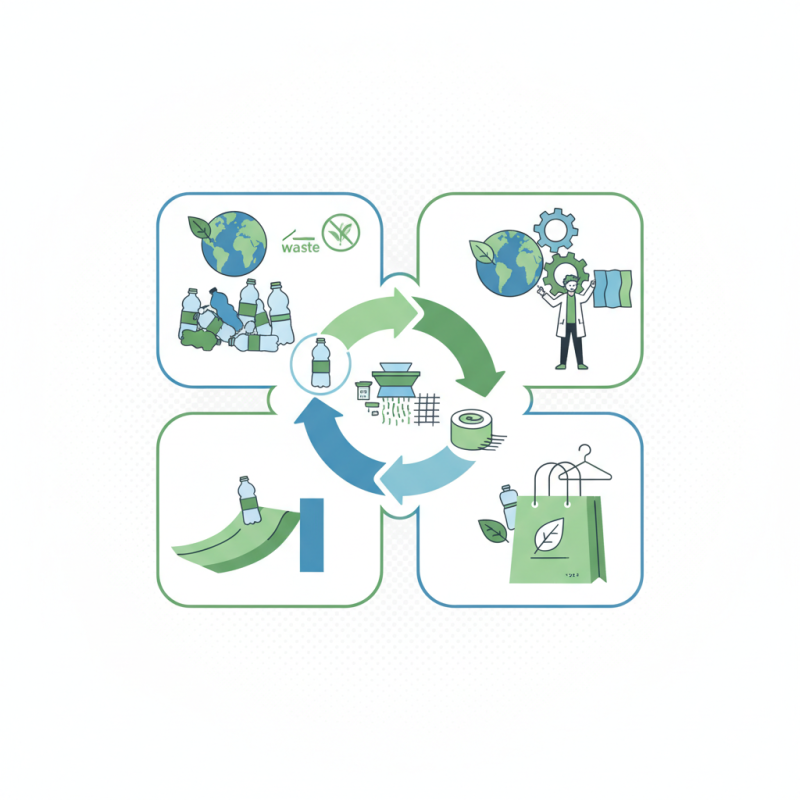
The process of creating recycled polyester involves collecting plastic waste, cleaning, and processing it into fibers. This not only diverts plastic from landfills but also conserves resources. For instance, producing recycled polyester requires up to 90% less water than conventional methods. However, some challenges remain. The recycling process can sometimes lead to a lower quality of fibers. This raises questions about durability and long-term use in fashion and textile products.
As awareness grows, many industries are exploring recycled polyester's potential. Research suggests that in 2021, nearly 80% of brands incorporated recycled polyester into their collections. Despite this progress, the overall market still requires further improvements in technology and sustainable practices. Making recycled polyester a mainstream choice is an ongoing endeavor that needs reflection on its hurdles and limitations.
The Process of Producing Recycled Polyester Fabric
Recycled polyester fabric is made from plastic bottles and other polyester waste. The process is fascinating yet complex. First, the plastic bottles are collected, sorted, and cleaned. This ensures that only suitable materials are used for recycling. Contaminated bottles can compromise the quality of the final fabric.
Once cleaned, the bottles are shredded into small flakes. These flakes undergo a transformation. They are melted down and extruded into long fibers. This phase is crucial, as the quality of the fibers affects the fabric's durability. Short fibers can lead to weaker fabrics.
Despite the benefits of recycled polyester, challenges remain. The energy required for production may still be significant. Some argue that the recycling process is not entirely eco-friendly. Moreover, the availability of high-quality recycled materials can vary. This inconsistency can impact manufacturers' choices. It's essential to keep improving the recycling process to maximize sustainability.
Recycled Polyester Fabric Production and Usage Statistics
Environmental Benefits of Using Recycled Polyester
Recycled polyester fabric is gaining traction in the fashion industry due to its environmental benefits. By utilizing plastic waste, it decreases the demand for new polyester production. This process helps reduce greenhouse gas emissions significantly. Therefore, it is a vital part of the effort to combat climate change.
Manufacturing recycled polyester uses less energy than creating virgin polyester. For instance, recycling one ton of plastic saves roughly 6,000 pounds of carbon dioxide emissions. It also conserves water, an essential resource often overlooked. However, the recycling process is not perfect. Not all recycled fibers create high-quality fabric. Some may lose durability, leading to waste over time.
Using recycled materials encourages a circular economy. It reduces plastic pollution, especially in oceans. Every piece of clothing made from recycled polyester contributes to cleaner ecosystems. Yet, consumers must stay informed. Not all “recycled” labels guarantee ethical practices. Transparency is key to making responsible choices. Each decision impacts our environment, and understanding these nuances is crucial.
Applications of Recycled Polyester in Fashion and Industry
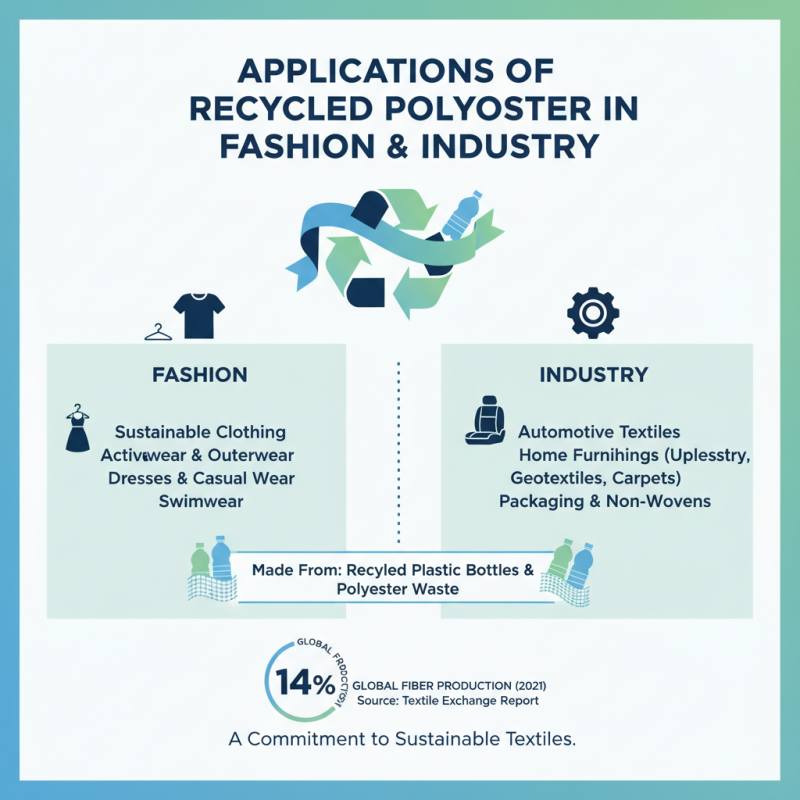
Recycled polyester fabric has gained traction in fashion and various industries due to its sustainable properties. This fabric is made from recycled plastic bottles and other polyester waste. According to the Textile Exchange's 2021 report, the use of recycled polyester in global fiber production reached around 14%. This shift illustrates a growing commitment to sustainability in textiles.
In the fashion industry, recycled polyester is used extensively. Brands often use it for activewear, outerwear, and casual clothing. The material has similar properties to virgin polyester, including durability and moisture-wicking abilities. However, it takes about 60% less energy to produce recycled polyester. Despite its advantages, the recycling process can be complex. Not every polyester fabric can be recycled effectively, which raises challenges. Additionally, not all end products are fully recyclable, creating new waste.
Industries beyond fashion are adopting recycled polyester as well. For example, the automotive sector uses it for seat covers and interior trims. A report by Allied Market Research shows that the global recycled polyester market is expected to reach $40 billion by 2026. However, the challenge remains in sourcing enough recycled materials to meet increasing demand. Overall, while recycled polyester shows promise, the need for a holistic approach in waste management and recycling processes remains critical.
Future Trends in Recycled Polyester Fabric Production
The rise of recycled polyester fabric is reshaping the textile industry. Companies are exploring innovative methods to boost its production. This eco-friendly material is derived from recycled plastics, making it a key player in sustainability. Recycling PET bottles into fabric reduces plastic waste. It enhances the longevity of the fiber, which is beneficial for consumers and the planet.
Future trends in recycled polyester production focus on efficiency and quality. Advanced technologies are streamlining the recycling process. These methods aim to minimize energy and water usage. New fabrics are emerging with improved texture and feel. Brands are investing in research to enhance durability and performance. However, not all recycled polyester is created equal. Some processes may still involve environmental trade-offs. Quality control is essential to ensure high standards, making consumer education critical.
Sustainability is a journey, not a destination. As recycled polyester becomes more commonplace, challenges persist. Consumer demand for greener practices is growing. Yet, it's crucial to ask if current methods are sustainable. Reflection on production processes will help drive future improvements. Balancing innovation with environmental integrity will shape the future of this fabric.
What is Recycled Polyester Fabric and Why is it Important?
| Aspect |
Details |
| Definition |
Fabric made from recycled plastics, primarily PET, often sourced from discarded bottles. |
| Environmental Benefits |
Reduces plastic waste, conserves resources, and lowers greenhouse gas emissions compared to virgin polyester. |
| Production Process |
Involves collecting, sorting, and processing plastic waste into recycled fibers. |
| Applications |
Widely used in clothing, home textiles, and industrial applications. |
| Future Trends |
Growing demand for sustainable materials, technological advancements in recycling methods, and increased consumer awareness. |
| Challenges |
Need for improved recycling systems, quality control, and market acceptance. |