Most Stretchable Fabric Tips for Choosing the Right Material?
When selecting the right material for your project, understanding the characteristics of the Most Stretchable Fabric is crucial. These fabrics are designed to provide flexibility and comfort. They can enhance mobility in various applications. Whether it's for workout gear or fashion, stretchable fabrics play an important role.
Choosing the Best Stretchable Fabric requires careful consideration. Look for materials that balance elasticity and durability. Many options are available, but not all meet your needs. Be aware of how different fabrics feel against the skin. For some, the texture may be off-putting, while others may enjoy the stretch.
Keep in mind that not every stretchable fabric performs the same. Some may lose their elasticity over time, becoming less effective. It’s essential to consider how the fabric interacts with your activities. Real-life experiences can shape your choices. Always reflect on what works best for you, as the Most Stretchable Fabric can vary greatly in quality and function.
What is Stretchable Fabric and Its Importance in Clothing?
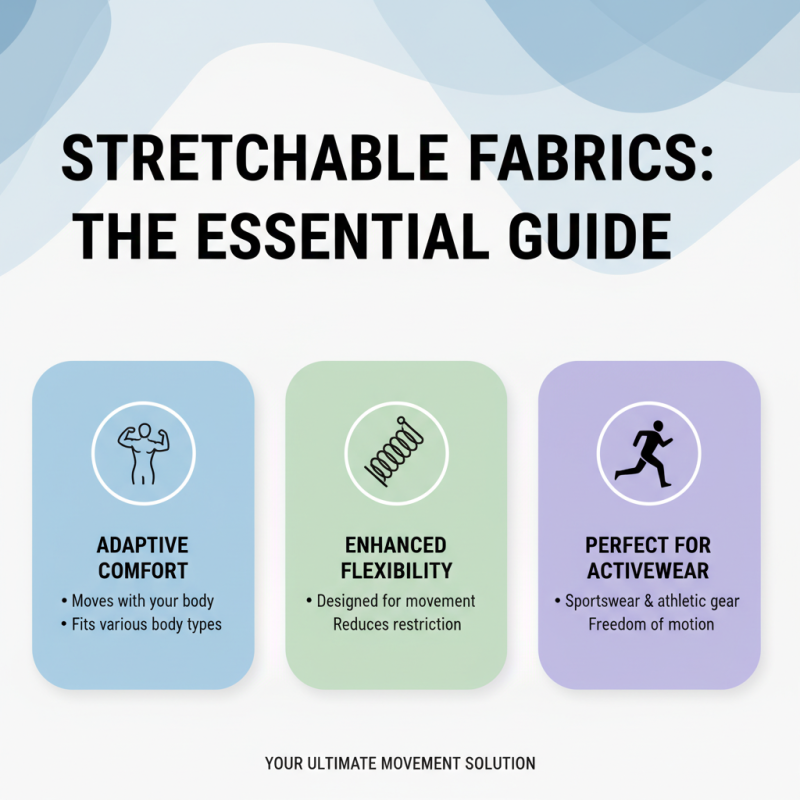
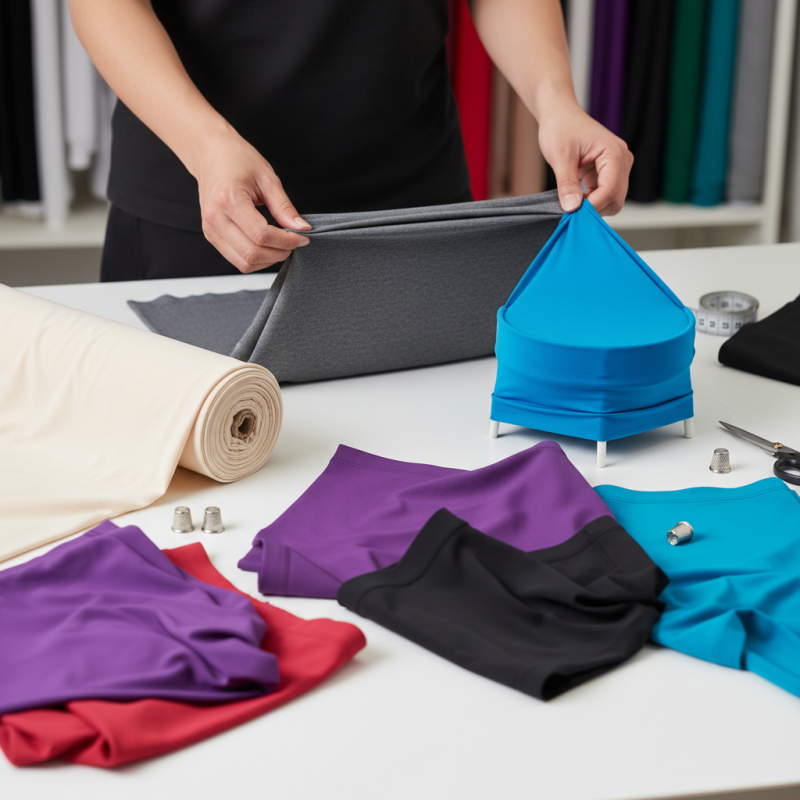
Stretchable fabric refers to materials designed to adapt to body movements. This flexibility is crucial in clothing. It helps in comfort, allowing garments to fit various body types. The beauty of stretchable fabrics lies in their ability to move with you. This property is especially important for sportswear and active clothing.
When choosing stretchable fabric, consider its composition. Fabrics made with spandex or elastane often offer the best stretch. However, not all stretchy materials are created equal. Some may lose their shape after repeated use. It’s essential to check the fabric's recovery properties. Does it return to its original shape after stretching? That question matters.
Moreover, think about the context in which you'll wear the garment. Will it withstand daily wear and tear? Can it handle sweat and movement? These are critical considerations. Many people overlook these details. Choosing the right stretchable fabric can enhance your wardrobe significantly. Reflect on what you really need for your lifestyle.
Key Characteristics of Stretchable Fabrics: A Detailed Overview
Choosing the right stretchable fabric can be a challenge. There are many characteristics to consider. The elasticity level is crucial. Look for materials that can expand significantly without losing shape. Fabrics like spandex and elastane are often good choices. They provide comfort and freedom of movement.
Breathability is another key factor. Some stretchable fabrics trap heat. This can lead to discomfort during wear. It’s essential to find materials that allow air circulation. For activewear, moisture-wicking properties are beneficial, keeping you dry and comfortable.
However, the aesthetic appeal shouldn't be overlooked. Some stretchable fabrics lack visual interest. This is an area for reflection. Combine practicality with style when selecting your materials. Patterns, colors, and textures can enhance your design, making it less generic. Balancing these aspects is not always easy but ultimately rewarding.
Types of Stretchable Fabrics: Choosing the Right One for Your Needs
When choosing stretchable fabrics, understanding the types available is essential. Stretchable materials like spandex and elastane are popular for athletic wear. Reports indicate that the global stretch fabric market is projected to reach $12 billion by 2025. This growth highlights their increasing importance in fashion and functionality.
Different fabrics serve various needs. For instance, cotton-spandex blends offer comfort combined with flexibility. They are breathable and suitable for casual wear. On the other hand, nylon blends are durable with excellent stretch recovery. This makes them ideal for activewear. But not every fabric performs under high stress. Some may lose their elasticity over time, resulting in a poor fit.
When selecting, consider the weight and texture of the fabric. Lightweight materials might feel great initially but may sag over time. Heavier fabrics can provide structure but may restrict movement. Testing different samples helps identify the right balance for your purpose. Pay attention to how the fabric reacts after washing. It’s crucial to ensure longevity in performance.
Types of Stretchable Fabrics and Their Usage
Factors to Consider When Selecting Stretchable Fabric for Projects
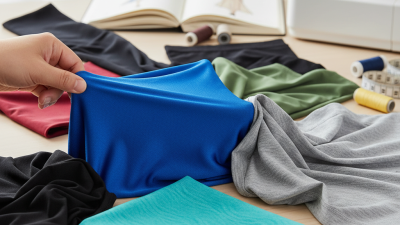
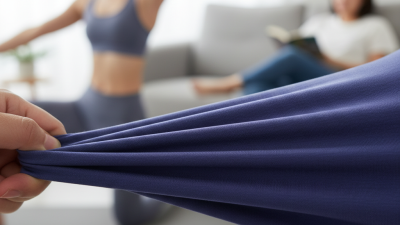
When selecting stretchable fabric, consider its elasticity. Look for materials that can return to their original shape after stretching. This is vital for garments that require both comfort and durability. Fabrics like spandex and elastane offer excellent stretch. However, not all stretchable fabrics behave the same way. It's essential to test them physically. Stretch the fabric gently and see how it responds.
Another factor is breathability. Some fabrics retain heat, making them uncomfortable in warm conditions. Lightweight, breathable materials offer better airflow. Cotton blends tend to balance stretch and breathability well. However, not every blend succeeds. Some may become too stiff after washing. It’s worth experimenting with different blends to find the right fit for your project.
Lastly, consider the fabric's weight and drape. Heavier fabrics may not flow as nicely, even if they stretch. For flowing designs, opt for lighter materials. However, heavier fabrics can provide structure for tailored pieces. Balancing these factors might seem tedious. Yet, this process is crucial for a successful project. Don’t rush it; take the time to explore your options.
Care and Maintenance Tips for Long-Lasting Stretchable Fabrics
When it comes to caring for stretchable fabrics, proper maintenance is key. These materials can be prone to damage if not handled with care. Washing them in cold water is often recommended. Warm or hot water can lead to shrinkage.
Use a gentle detergent specifically designed for delicate fabrics. Avoid bleach, as it can weaken the fibers. After washing, air drying is ideal. Hanging stretchable fabrics may cause them to lose shape. Instead, lay them flat to dry.
Store these items away from direct sunlight. This prevents fading and degradation of the material. For extended periods of storage, consider using garment bags. This helps protect the fabric from dust and pests. With mindful care, your stretchable fabrics can last much longer than expected.
Most Stretchable Fabric Tips for Choosing the Right Material
| Fabric Type |
Stretchability |
Breathability |
Care Instructions |
Durability |
| Spandex Blend |
High |
Moderate |
Machine wash cold, tumble dry low |
Good |
| Nylon |
Moderate |
Moderate |
Hand wash recommended |
Very Good |
| Cotton Spandex |
High |
Excellent |
Machine wash warm water |
Good |
| Polyester Blend |
Moderate |
Low |
Machine wash and tumble dry |
Excellent |
| Lycra |
Very High |
Good |
Machine wash cold, hang dry |
Very Good |