Top Tips for Finding the Most Elastic Fabric for Your Needs?
When it comes to finding the most elastic fabric for your needs, understanding the materials is crucial. Expert Dr. Emily Carter, a renowned fabric scientist, emphasizes, "Choosing the right elastic fabric can make or break your project." Her insights highlight the importance of elasticity in fabrics for comfort and functionality.
Elasticity affects how a fabric performs under stress. It determines how well the material returns to its original shape after stretching. When searching for the most elastic fabric, consider both stretch and recovery. Look for resources that explain fiber composition, weave structure, and finishing treatments. These factors play significant roles in overall performance.
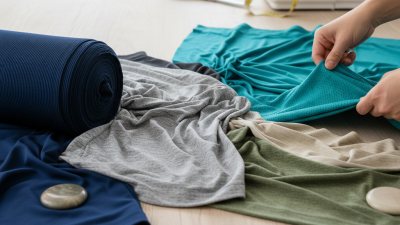
Reflecting on your needs is vital. Different applications require varying levels of elasticity. Activewear, for instance, demands high stretch, while upholstery focuses on durability. Experimenting with swatches helps visualize how different options suit specific projects. The quest for the perfect fabric involves trial and error, pushing you to refine your choices.

Understanding Elastic Fabrics: Key Concepts and Definitions
When choosing elastic fabrics, understanding key concepts is essential. Elasticity refers to a material's ability to stretch and return to its original shape. This property is critical for activewear and other items requiring flexibility. Numerous fabrics exhibit varying degrees of elasticity. Examples include spandex, elastane, and natural rubber blends. Always consider the percentage of elastic fibers used in the fabric. A higher percentage typically results in greater stretch.
Different applications demand specific elastic characteristics. For hosiery, a fabric with significant stretch is necessary. Conversely, light support garments may benefit from moderately elastic materials. Not all elastic fabrics are created equal. Some may lose their shape over time, while others maintain durability under stress. Testing the fabric through various movements can highlight its strengths and weaknesses.
Also, keep in mind how the fabric feels against the skin. Comfort is as important as elasticity. Discomfort can deter use, regardless of a fabric's stretch potential. Ultimately, finding the right elastic fabric hinges on balancing these factors while being open to adjusting your choices based on feedback and experience.
Elastic Fabric Types and Their Stretch Ratios
Types of Elastic Fabrics and Their Unique Properties
When selecting elastic fabrics, understanding the various types is essential. Spandex, also known as elastane, is a popular choice due to its versatility. It can stretch up to 600% without losing shape. According to the Textile World, spandex is frequently blended with other materials, enhancing comfort and fit in garments.
Another common type is rubber. Rubber elastic is typically found in activewear and waistbands. It offers excellent elasticity, but its longevity can be an issue. A report by the American Journal of Textile Science found that rubber may degrade over time, especially under constant exposure to heat and moisture. This degradation can lead to a loss of functionality.
Lastly, knit elastic is worth exploring. It provides a softer feel compared to woven elastic, making it ideal for garments that require flexibility. However, knit elastic may not have the same durability as other options. A study published by the International Journal of Fashion Technology highlighted that while knit elastic is comfortable, its stretchability can diminish after several washes. Understanding these differences is key to finding the right elastic fabric for specific uses.
Factors to Consider When Choosing Elastic Fabrics
When choosing elastic fabrics, several crucial factors come into play. Understanding the intended use of the fabric guides you toward the right material. For example, if you're making sportswear, look for moisture-wicking properties. According to industry reports, 65% of activewear manufacturers prioritize breathability and stretchability when sourcing fabrics.
The fabric's composition is essential. Cotton blends offer comfort but lack significant elasticity. Synthetic fibers like spandex or elastane provide better stretch and recovery. A recent survey indicated that 70% of designers prefer synthetic blends for their durability and flexibility. Fabrics with at least 20% spandex tend to perform well in various applications.
Tips for selecting elastic fabrics: test a small sample first. Check for both initial stretch and recovery after being stretched. Consider the weight of the fabric, as lighter materials might not provide the necessary support. Lastly, be aware of the fabric's environmental impact, opting for sustainable options if possible. Balancing performance and eco-friendliness can be tricky but is worth the effort.
Testing Elasticity: Methods to Assess Fabric Performance
When evaluating fabric elasticity, effective testing methods are key. Stretchability is assessed using standardized techniques. A popular method is the "Grab Test," which measures fabric tensile strength under stress. Reports from the Textile Research Journal suggest testing should focus on the fabric's elongation percentage and recovery rate. Fabrics that stretch more than 50% often indicate higher elasticity.
Tip: Use a simple test at home. Pull a strip of fabric and observe how it returns to its original shape. This gives a quick sense of elasticity.
Another interesting approach is to analyze the fabric's construction. Woven fabrics may show different elasticity levels compared to knits. The Fiber Science journal highlighted that synthetic fibers often perform better in elasticity tests than natural ones.
Tip: Consult fabric specifications when buying. Look for terms like "four-way stretch" for enhanced elasticity. Reliability in performance ensures better fit and durability in use, essential for garments that require movement.
Consider replicating tests on various fabrics to truly understand their elasticity. This practice can reveal unexpected limitations in performance, guiding you to make informed decisions.
Top Tips for Finding the Most Elastic Fabric for Your Needs
| Fabric Type |
Elasticity (%) |
Weight (gsm) |
Common Uses |
Care Instructions |
| Spandex |
300% |
150 |
Activewear, Swimwear |
Machine wash cold, hang dry |
| Nylon |
300% |
200 |
Lingerie, Sportswear |
Machine wash, tumble dry low |
| Cotton Spandex |
40% |
180 |
Casualwear, T-shirts |
Machine wash, do not iron |
| Polyester |
25% |
160 |
Blouses, Dresses |
Machine wash, do not bleach |
| Lycra |
600% |
140 |
Athleisure, Compression Garments |
Hand wash, do not wring |
Care and Maintenance Tips for Elastic Fabrics
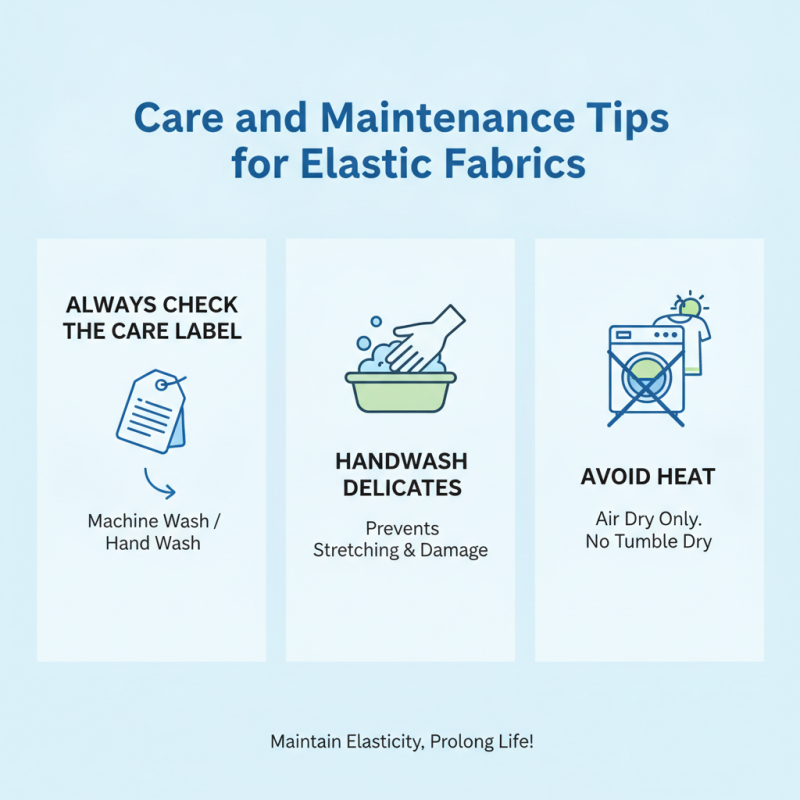
Caring for elastic fabrics requires specific attention. These materials can lose their stretch over time if not maintained correctly. To start, always check the care label. Some elastic fabrics can be machine washed, while others may require handwashing.
When washing elastic items, use cold water to protect their elasticity. Hot water can break down fibers, leading to loss of stretch. Avoid heavy detergents; they can damage the fabric's elasticity. Instead, opt for mild detergents that are gentle yet effective.
Drying is another critical factor. Air drying is ideal for elastic fabrics. It helps maintain their shape and elasticity. If you must use a dryer, select a low heat setting. High heat can warp the fibers irreparably. Remember, thoughtful care can extend the lifespan of your favorite elastic garments.