Choosing the right stretch textile can affect comfort, fit, durability, and production costs. For global buyers, the label “stretchy” is not enough. A fabric may extend widely, yet recover poorly after repeated wear. Another may feel soft in the hand but lose shape under heat, moisture, or heavy washing.
This guide examines the Top 10 Most Stretchable Fabrics for practical sourcing decisions. It compares elastane blends, knitted structures, technical fibers, and emerging textile options. Each material deserves attention.
We consider stretch percentage, recovery, weight, breathability, abrasion resistance, and care requirements. These details matter when evaluating leggings, swimwear, activewear, medical garments, and fitted fashion. A fabric stretched across a mannequin behaves differently after fifty wash cycles. That difference can become a costly return.
Where possible, buyers should request technical data sheets, fabric samples, and independent test results. Ask suppliers about composition, GSM, width, dye stability, and production consistency. Certifications should also be checked through recognized organizations, not accepted from unclear claims.
The phrase Most Stretchable Fabric can sound definitive, but no single textile fits every market. A high-stretch option for yoga wear may fail in protective workwear. A durable fabric for uniforms may feel too rigid for close-fitting apparel. This ranking offers informed guidance, not a universal verdict. Some comparisons remain imperfect because supplier testing methods can differ. That limitation matters. Experienced buyers should test materials under their actual climate, washing conditions, and end-use demands before placing large orders.
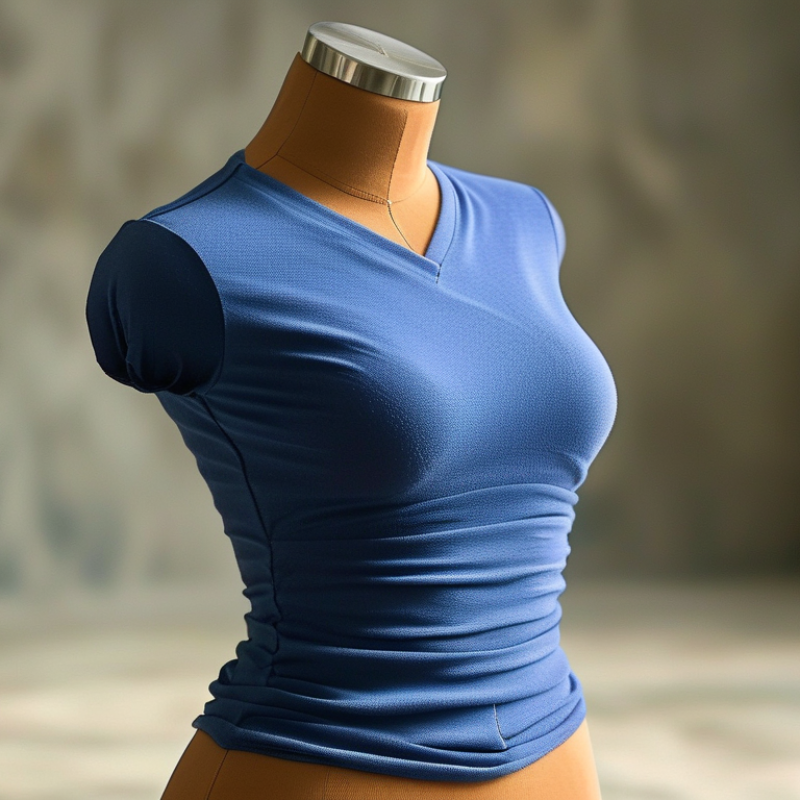
Top 10 Most Stretchable Fabrics for Global Buyers
What Makes a Fabric Stretchable?
Stretch comes from fiber structure, fabric construction, or both. Elastane provides strong extension and recovery. Polyester, nylon, and cotton can become stretchable when blended with it. Some fabrics stretch naturally because their fibers form flexible loops.
Knitted fabrics usually move more than woven fabrics. Jersey, rib knit, tricot, ponte, and stretch mesh are common examples. Nylon-elastane often suits swimwear and activewear because it feels smooth and recovers quickly. Cotton-elastane works well for trousers, shirts, and casual clothing. Viscose blends offer softness, but their recovery may weaken after repeated washing. This point is sometimes overlooked.
A fabric’s stretch percentage is only one measure. Buyers should also check recovery, weight, thickness, shrinkage, and color stability. A material may stretch widely but remain loose at the knees. Testing helps reveal this problem. Ask suppliers for fabric swatches and test them after washing. Measure the original length, extend it gently, then measure again after resting.
Tips: Pull the fabric across both directions. Note whether it stretches one-way or four-way. Check seams, because thread choice affects comfort. Review test results, but inspect samples personally. Small differences can change garment performance. A useful target is balanced stretch, not maximum stretch.
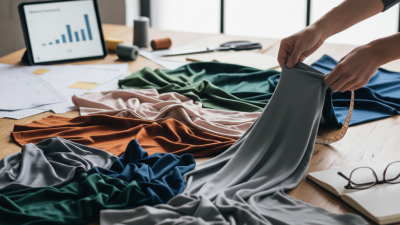
Fabric stretchability depends on fiber elasticity, knit construction, yarn structure, and finishing. The chart shows representative typical stretch ranges, measured as approximate maximum elongation before recovery becomes limited. Fabrics containing elastane or rubber-based components generally provide the greatest stretch.
Stretch performance depends on fiber, knit structure, recovery, and finishing. Elastane delivers the strongest rebound, often reaching 400–700% extension. Nylon-elastane feels smooth and supports activewear. Polyester-elastane offers better color retention and lower cost. Cotton-elastane feels breathable, but repeated washing can reduce recovery. Modal-elastane is soft and drapes well, while viscose-elastane provides fluid movement with weaker durability. Wool-elastane adds warmth and resilience. Polyamide jersey gives strong abrasion resistance. Ponte knit feels stable and structured. Power mesh provides ventilation, compression, and visible openness.
A practical comparison needs more than stretch percentage. Nylon blends usually recover faster after kneeling or repeated body movement. Polyester blends resist sunlight and moisture better. Cotton blends suit everyday shirts, but they may bag at the elbows. Modal and viscose fabrics create a softer handfeel, although poor laundering can shorten their service life. Ponte works well for fitted trousers because its double-knit construction limits unwanted transparency. Power mesh stretches easily, but seam damage can appear quickly.
The Textile Exchange Materials Market Report 2024 estimated global fiber production at 124 million tonnes in 2023. Polyester represented about 57% of that volume, making polyester-based stretch fabrics widely available worldwide. The report also projects production could reach 160 million tonnes by 2030. Availability is not the same as suitability. Buyers should request recovery tests, width measurements, GSM, pilling results, and wash data. One weakness remains: supplier test methods are not always comparable. Small samples can mislead. Real garment trials still matter.
Top 10 Most Stretchable Fabrics for Global Buyers?
Key Properties of Each Stretch Fabric
Stretch performance depends on fiber content, knit structure, and finishing. Elastane is highly elastic and offers excellent recovery, making it suitable for activewear and fitted garments. Nylon-elastane feels smooth, resists abrasion, and dries quickly. Polyester-elastane provides strong shape retention, color stability, and affordable production. Cotton-elastane feels breathable and soft, although repeated washing may reduce recovery. Rayon-elastane offers a fluid drape and cool touch, but it can weaken when wet. Modal-elastane is soft and comfortable, with moderate stretch and good moisture handling. Rib knit stretches across the body and supports close-fitting designs. Jersey knit feels flexible and lightweight, but may curl at the edges. Ponte knit is thicker, stable, and less likely to show body lines. Scuba knit has a firm hand and strong structure, though it may feel warm.
Tips: Request stretch and recovery measurements before placing large orders. Test the fabric after washing, not only when new. Check GSM, pilling resistance, colorfastness, and seam behavior. A fabric stretching 60% may still recover poorly. That detail is often missed.
In practical sourcing, compare both lengthwise and crosswise stretch. Ask for sample rolls when possible. Small trials reveal unexpected shrinkage, twisting, or uneven dyeing. Supplier documents help, but physical testing remains essential. No fabric is perfect. A softer blend may lose structure, while a firmer knit may reduce comfort. Recheck your choice against the garment’s movement, climate, and care requirements.
Top 10 Most Stretchable Fabrics for Global Buyers?
Choosing stretchable fabric for global markets requires more than measuring elasticity. Buyers should compare end use, climate, washing habits, and production conditions. The ten common categories include spandex blends, nylon elastane, polyester elastane, cotton jersey, rib knit, interlock, ponte, scuba knit, stretch denim, and power mesh.
Start with the customer’s movement needs. Activewear may require high recovery and moisture control. Underwear needs softness, stable stretch, and careful seam performance. Stretch denim needs durability after repeated bending. Check fabric weight, stretch percentage, recovery rate, and pilling resistance. A fabric may stretch well but lose shape after washing. That mistake is easy to miss.
Request lab dips and sample rolls before placing a large order. Test colorfastness, shrinkage, seam slippage, and dimensional stability after several washes. Global climates also matter. Lightweight blends suit hot regions, while heavier knits support cooler markets. Confirm fiber content and safety documentation for the destination country. Requirements can differ between markets. Do not rely only on supplier claims. Review test dates, testing methods, and production-lot consistency. In my sampling experience, a fabric that feels excellent on a table can behave poorly during sewing. Fit trials reveal problems earlier. Keep a small reserve sample for later comparison. Perfect recovery is not always necessary, but inconsistent recovery is risky.
| Rank | Fabric Type | Typical Fiber Composition | Typical 4-Way Stretch | Typical Stretch Recovery | Typical Fabric Weight | Main Performance Advantages | Common Global Applications | Key Buying Considerations | Recommended Market Positioning |
|---|---|---|---|---|---|---|---|---|---|
| 1 | Nylon–Elastane Tricot | 70–85% nylon 15–30% elastane |
60–150% | Very high | 180–320 g/m² | Smooth surface, high abrasion resistance, excellent body fit, strong shape retention, and quick drying. | Swimwear, activewear, dancewear, compression garments, cycling apparel, and performance underwear. | Check chlorine and salt-water resistance, colorfastness, pilling, opacity when stretched, and elastane durability. | Premium performance and close-fitting garments. |
| 2 | Polyester–Elastane Interlock | 75–92% polyester 8–25% elastane |
40–100% | High | 180–330 g/m² | Good moisture management, dimensional stability, color retention, and resistance to repeated washing. | Sportswear, leggings, uniforms, training tops, athleisure, and economical swimwear. | Evaluate moisture-wicking finish, odor-control claims, dye migration, pilling, and recycled-content documentation where required. | Broad international use with a strong cost-to-performance balance. |
| 3 | Powernet / Power Mesh | 70–85% nylon or polyester 15–30% elastane |
50–120% | Very high | 100–220 g/m² | High compression, breathable open structure, supportive recovery, and low bulk. | Shapewear, lingerie, sports bras, medical support garments, dancewear, and garment panels. | Confirm compression level, mesh aperture, snag resistance, skin comfort, edge stability, and transparency under tension. | Technical support fabrics and engineered garment zones. |
| 4 | Cotton–Elastane Jersey | 92–97% cotton 3–8% elastane |
25–60% | Medium to high | 160–260 g/m² | Soft hand feel, breathable comfort, natural-fiber appeal, and good everyday stretch. | T-shirts, underwear, casualwear, children's clothing, fitted tops, and loungewear. | Allow for cotton shrinkage; check spirality, shade variation, pilling, elastane percentage, and colorfastness after washing. | Comfort-led basics and mass-market apparel. |
| 5 | Viscose–Elastane Jersey | 92–96% viscose 4–8% elastane |
30–70% | Medium | 180–280 g/m² | Soft drape, smooth touch, good color depth, and comfortable movement. | Fashion tops, dresses, skirts, base layers, maternity wear, and relaxed-fit garments. | Test wet strength, shrinkage, seam slippage, pilling, recovery after wear, and colorfastness to laundering. | Soft-fashion and comfort-focused collections. |
| 6 | Modal–Elastane Jersey | 92–96% modal 4–8% elastane |
30–65% | Medium to high | 160–240 g/m² | Very soft hand, smooth drape, good moisture absorption, and comfortable next-to-skin wear. | Underwear, sleepwear, camisoles, base layers, lightweight tops, and loungewear. | Check wet abrasion performance, pilling, shrinkage, colorfastness, and the sustainability documentation for the cellulosic fiber. | Premium comfort and next-to-skin products. |
| 7 | Polyamide–Elastane Single Jersey | 80–90% polyamide 10–20% elastane |
40–90% | High | 150–260 g/m² | Lightweight stretch, smooth appearance, fast drying, and good resistance to repeated deformation. | Seamless apparel, leggings, underwear, shapewear, fitted tops, and lightweight sportswear. | Review snagging, run resistance, fabric opacity, dyeing quality, and compatibility with bonding or seamless production. | Lightweight fitted garments and technical underwear. |
| 8 | Wool–Elastane Jersey | 94–98% wool 2–6% elastane |
20–50% | Medium to high | 180–300 g/m² | Natural temperature regulation, odor resistance, warmth, and improved fit compared with standard wool jersey. | Base layers, travel apparel, fitted knitwear, performance uniforms, and premium winter garments. | Check fiber diameter, felting and shrinkage behavior, pilling, care instructions, colorfastness, and animal-fiber traceability. | Premium natural-fiber performance markets and colder regions. |
| 9 | Lyocell–Elastane Jersey | 92–96% lyocell 4–8% elastane |
25–60% | Medium | 170–280 g/m² | Soft touch, fluid drape, moisture absorption, and a smooth surface suitable for premium casualwear. | Fashion basics, fitted dresses, tops, underwear, loungewear, and lightweight active-casual garments. | Assess fibrillation, wet abrasion, seam performance, shrinkage, recovery after washing, and verified fiber-process documentation. | Premium, soft, and sustainability-oriented collections. |
| 10 | Bamboo-Viscose–Elastane Jersey | 92–96% bamboo-derived viscose 4–8% elastane |
25–60% | Medium | 170–260 g/m² | Soft hand, breathable comfort, moisture absorption, and smooth drape. | Underwear, sleepwear, babywear, casual tops, leggings, and loungewear. | Specify bamboo-derived viscose accurately; verify shrinkage, pilling, wet strength, colorfastness, and supply-chain certifications. | Soft comfort products with carefully substantiated sustainability claims. |
Care, Testing, and Sourcing Considerations
Stretchability is not a permanent ranking. Elastane blends often deliver excellent recovery, while knitted nylon, polyester, cotton, wool, and rayon behave differently. Textile Exchange’s Materials Market Report 2024 estimates global fiber production reached 124 million tonnes in 2023. That scale makes quality consistency difficult. A fabric that feels flexible in a showroom may lose recovery after washing, heat exposure, or repeated extension.
Laboratories commonly use ASTM D2594 for stretch and growth in knitted fabrics, while ISO 20932 evaluates fabric elasticity. AATCC 135 helps measure dimensional changes after laundering. Buyers should request results at realistic extension levels, not only maximum stretch. Check width, weight, bursting strength, spirality, and colorfastness too. Small test strips can mislead.
Wash samples with the intended detergent, then tumble dry or line dry as customers might. Record stretch before washing, after five cycles, and after twenty cycles. Do not trust one perfect sample. I have seen suppliers provide excellent laboratory results but inconsistent bulk rolls. That gap needs attention. Ask for lot-based testing, production references, fiber percentages, and a signed tolerance sheet. Confirm whether recycled fibers, coatings, or finishing agents change hand feel and recovery. Textile Exchange projects global fiber production could reach 160 million tonnes by 2030, increasing pressure for traceable sourcing. Documentation matters, but physical verification matters more.