Top 10 Natural Stretch Fabrics for Global Sourcing Needs?
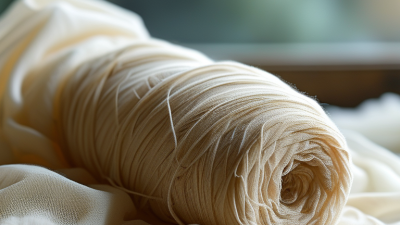
In today's evolving textile industry, the demand for Natural Stretch Fabric is soaring. This fabric stands out for its versatility and comfort. Designers and manufacturers are exploring innovative applications across various sectors. Natural Stretch Fabric offers a blend of elasticity and breathability, making it ideal for clothing, activewear, and home textiles.
Sourcing the right type of fabric can be challenging. The market is flooded with options, but not all meet sustainability standards. As more companies focus on eco-friendly practices, Natural Stretch Fabric becomes a popular choice. It allows producers to align with ethical standards while meeting consumer demands.
Awareness of different materials is key to making informed decisions. Brands must evaluate factors like durability, production processes, and environmental impact. Natural Stretch Fabric presents an ideal combination of performance and sustainability, but careful selection is still necessary. The journey toward a more responsible sourcing approach starts with understanding these materials.
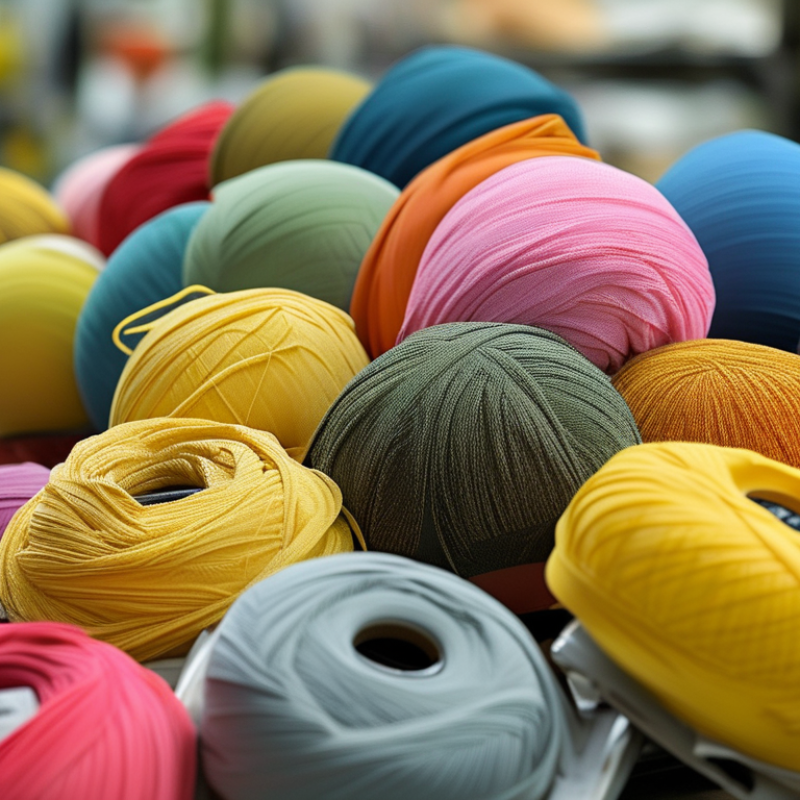
Top 10 Natural Stretch Fabrics for Global Sourcing Needs
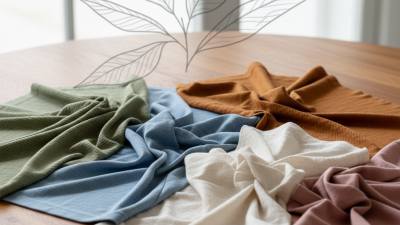
Natural stretch fabrics have gained popularity in global sourcing due to their versatility and comfort. These materials offer an eco-friendly alternative to synthetic fabrics. Cotton, known for its breathability, is a staple in the textile industry. It offers excellent stretch and recovery, making it suitable for various applications. Linen, with its unique texture, provides a refreshing feel in warmer climates. It tends to be less elastic but offers great durability.
Another popular option is hemp. Its natural elasticity makes it a strong contender. This fabric is not only sustainable but also resistant to wear and tear. Bamboo fabric is another noteworthy choice. It’s soft and has natural moisture-wicking properties. However, it can sometimes be prone to fading. Organic cotton blends also deserve mention, as they combine the benefits of cotton with added stretch.
While evaluating these natural fabrics, sourcing professionals must consider factors like environmental impact and labor practices. Each material brings its unique advantages and challenges. There is room for improvement in production processes, and not all suppliers maintain high standards. It's essential to choose wisely to ensure quality and sustainability.
Overview of Natural Stretch Fabrics in the Global Market
Natural stretch fabrics have gained traction in the global market due to their versatility and comfort. These materials offer both elasticity and breathability, making them ideal for various applications. Recent trends show a growing demand for sustainable and eco-friendly textiles. This shift is crucial as consumers become more conscious of environmental impacts.
One major category involves cotton blends. They combine the softness of cotton with the flexibility of synthetic fibers. Hemp fabrics are also emerging, renowned for their durability and sustainability. They offer a unique texture and are biodegradable. Wool and bamboo fabrics provide excellent moisture control. This characteristic makes them suitable for active wear. However, sourcing these materials can be challenging. Availability can vary by region and quality can differ significantly.
Companies must stay informed about sourcing practices. Ethical production is paramount for brand integrity. Sourcing from reliable suppliers ensures quality control. Understanding fluctuations in supply chains is essential for timely production. Some manufacturers may face difficulties with consistency in raw materials. This aspect invites scrutiny and necessitates a deeper understanding of global sourcing dynamics.
Key Benefits of Using Natural Stretch Fabrics in Apparel Manufacturing
Natural stretch fabrics have gained traction in apparel manufacturing. Their ability to provide comfort and flexibility makes them a popular choice. According to a report by Grand View Research, the global market for stretch fabrics is expected to reach over $20 billion by 2025. This growth highlights the increasing demand for materials that not only perform well but also feel good against the skin.
One key benefit of using natural stretch fabrics is their breathability. Materials such as organic cotton and bamboo allow moisture to escape. This leads to better temperature regulation, especially in activewear. Consumers are increasingly seeking eco-friendly options. In fact, the Global Apparel Sustainability Report noted that 60% of consumers prefer sustainable clothing. This shift in demand signals the need for manufacturers to explore natural fibers.
Despite these benefits, sourcing natural stretch fabrics can present challenges. Quality and consistency may vary among suppliers. Ensuring a reliable supply chain is vital for maintaining production schedules. Manufacturers should conduct thorough research and testing to find the best suppliers. This will not only optimize cost but also support sustainability efforts in the long run.
Comparative Analysis of Cotton, Linen, and Hemp as Stretch Materials
Cotton, linen, and hemp are three popular natural fabrics often discussed for their stretch properties. Cotton is widely known for its softness and breathability. However, it may lack the durability that other fabrics offer. Stretchy cotton blends can enhance flexibility, but pure cotton tends to revert to its original shape. This can be disappointing for designers seeking long-lasting stretch solutions.
Linen, on the other hand, is known for its strength and unique texture. It has a natural ability to absorb moisture, making it a refreshing choice in warmer climates. However, its stretchability is limited compared to cotton and hemp. Linen wrinkles easily, which can be a downside in certain applications. This means it requires careful handling and maintenance.
Hemp emerges as a strong contender in the stretch fabric arena. It boasts impressive durability and grows softer with each wash. Moreover, hemp’s natural elasticity allows for more flexibility than linen. Still, the initial stiffness may turn some away. Manufacturers must consider the balance between comfort, durability, and care when selecting these materials. Each fabric has unique traits that could fit various sourcing needs, leaving room for reflection on the perfect choice.
Sustainability Trends Impacting the Sourcing of Stretch Fabrics
The sourcing of stretch fabrics has evolved rapidly. Sustainability trends now shape how companies source and manufacture these materials. More brands are seeking eco-friendly options. This shift reflects a growing awareness of environmental impact. Sustainable materials often include organic cotton or recycled fibers. These options offer both comfort and a lower carbon footprint.
Choosing sustainable stretch fabrics can be challenging. Not all suppliers prioritize eco-friendly practices. Thus, companies must conduct thorough research. They should assess the materials' lifecycle, from production to disposal. Transparency in the supply chain is crucial. Brands must communicate their sustainability efforts to consumers. This builds trust and loyalty among eco-conscious customers.
Some companies struggle with the complexities of sustainable sourcing. Maintaining quality while prioritizing the environment is not easy. Challenges such as higher costs and limited availability can arise. Nonetheless, a commitment to sustainability can lead to innovation. It may inspire new ways to produce stretch fabrics that are both functional and ethical. Balancing these aspects is critical for long-term success.
Top 10 Natural Stretch Fabrics for Global Sourcing Needs
This chart illustrates the sustainability impact of various natural stretch fabrics commonly used in global sourcing.
Conclusion
The article "Top 10 Natural Stretch Fabrics for Global Sourcing Needs" explores the increasing popularity and demand for Natural Stretch Fabric in the textile industry. It provides an overview of various natural stretch fabrics available on the global market, highlighting key benefits such as comfort, flexibility, and biodegradability that make these materials ideal for apparel manufacturing.
A comparative analysis of cotton, linen, and hemp reveals their unique properties as stretch materials, while also addressing current sustainability trends that influence sourcing decisions. The article further projects future demands for Natural Stretch Fabric, indicating a growing preference for environmentally-friendly options in clothing production. This reflects a broader industry shift towards sustainable practices and the importance of choosing the right materials in today’s eco-conscious market.