Leave Your Message

Who Are the Top Space Dye Fabric Manufacturers in China?

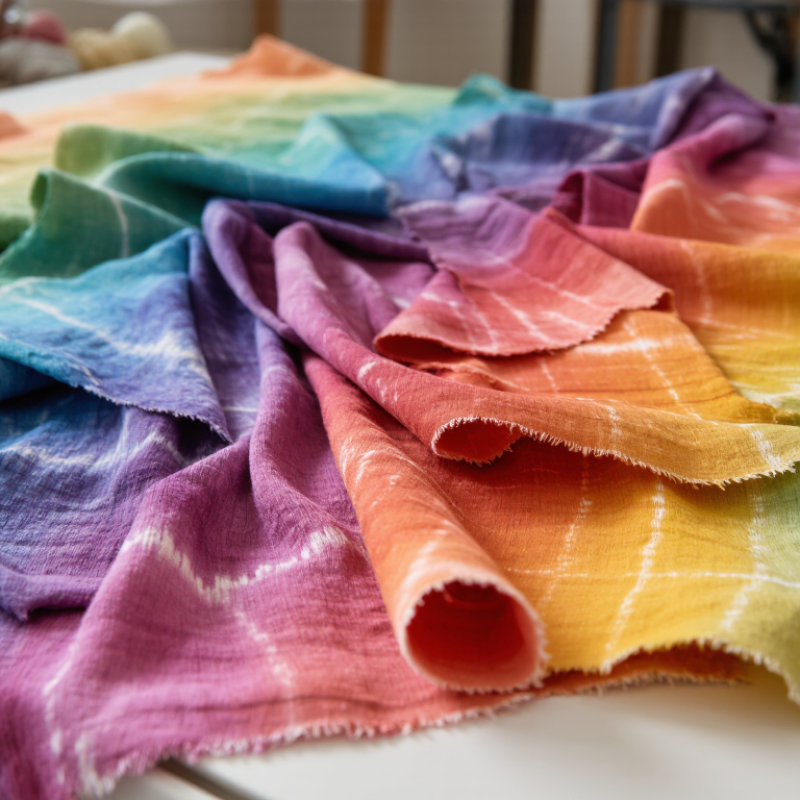
China is a major source of space-dyed yarns and fabrics, but choosing a manufacturer takes more than comparing color cards. Space Dye Fabric gets its distinctive, irregular color effects from yarns dyed in varied shades or intervals before knitting or weaving. In a sample, look closely at the transitions: are they soft and gradual, or sharply banded? Check the reverse side, too. It can reveal uneven coverage that a front-facing photo may hide.

This guide examines Chinese manufacturers through practical sourcing questions: production capability, yarn and fabric options, sample consistency, customization, lead times, and quality-control communication. Buyers should ask how suppliers assess color variation and what tolerances they agree upon. A small swatch is useful, but it cannot show every issue that may appear across a full production run. Request a larger trial when the order depends on repeatable shades or placement.

An expert quotation can add useful authority, but none was provided with the source material for this request. Rather than assign invented words to a named specialist, this introduction uses a practical sourcing principle: “Judge the fabric in hand, not by the color card alone.” Treat it as editorial guidance, not a verified expert quotation. The comparison ahead aims to help readers identify manufacturers worth contacting, while leaving room for a plain truth: one supplier’s strongest feature may be another buyer’s compromise.
Who Are the Top Space Dye Fabric Manufacturers in China?

What Is Space Dye Fabric and How Is It Made?

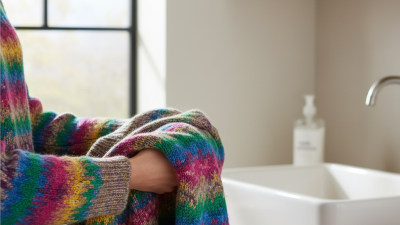
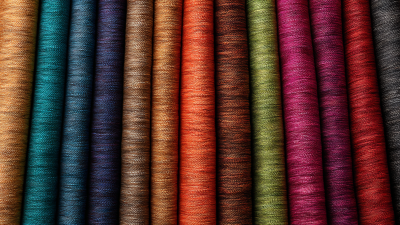
Space dye fabric gets its distinctive look from yarn colored in several shades along its length. Unlike solid-dyed yarn, one strand may shift from blue to gray to cream. The transitions can be sharp, soft, or irregular. That is the point.

To make it, manufacturers prepare yarn and apply different colors at spaced intervals. Depending on the equipment and fiber, dye may be applied to yarn wound on packages, arranged in skeins, or fed through a continuous process. The colored yarn is then dried and checked for shade consistency before knitting or weaving. Exact methods vary, so the same color plan can look different across fibers and production runs.

During knitting, color changes appear as short streaks, mottled patches, or longer bands. Weaving can create a more ordered pattern, depending on how the yarns are placed. Small differences in yarn tension or dye uptake may alter the final effect. Perfect uniformity is not always realistic. A useful quality check is to inspect fabric under steady light and compare several areas, not just one sample. Look closely at the transitions. They reveal a lot.
How to Evaluate Space Dye Fabric Manufacturers in China

Evaluating space dye fabric manufacturers in China starts with the fabric itself, not a sales presentation. Request a sample made with the same yarn type, dyeing method, and finishing process planned for production. Check the color transitions under daylight and indoor lighting. Ask for evidence. A neatly arranged sample can still hide uneven streaks or weak colorfastness, so inspect several areas rather than one attractive section.

Ask how the factory controls shade variation between production lots. Request test results for colorfastness, shrinkage, and pilling, and confirm which test methods were used. Compare these figures with your product requirements; a certificate alone does not guarantee a suitable fabric. Review the manufacturer’s capacity, minimum order quantity, lead time, and process for handling rejected material. Clear answers matter. If details change between email and quotation, pause and clarify them in writing. No evaluation method is perfect: small samples cannot fully predict bulk results. A pre-production approval sample and agreed inspection points can reduce that uncertainty.

How to Evaluate Space Dye Fabric Manufacturers in China

Use this evidence-based checklist to compare suppliers. Space-dyed yarn typically has multiple colors distributed along its length, creating a varied color effect in the finished fabric. Specifications, test limits, minimum order quantities, and lead times should be agreed with each supplier; there is no single universal requirement for every application.

Evaluation Dimension What to Check Evidence to Request How to Compare Suppliers
Space-dye capability Confirm the supplier can produce the requested color sequence and space-dye effect for the specified yarn, fabric construction, and end use. Development samples, construction details, and a written description of the proposed dyeing and fabric-making process. Assess whether the sample matches the requested effect and whether the supplier can explain how that effect will be reproduced in bulk.
Color and pattern consistency Check color order, color placement, repeat appearance, and acceptable variation between samples, production lots, and fabric rolls. Approved reference sample, shade bands or agreed visual standards, and written color-tolerance requirements. Compare production samples against the approved reference under agreed viewing conditions. Set tolerances with the supplier rather than assuming a universal limit.
Colorfastness Evaluate resistance to color change and staining under the conditions relevant to the product, such as laundering, rubbing, or perspiration. Recent test reports identifying the tested material, test method, results, and laboratory. Where appropriate, request testing to ISO 105-C06 for washing, ISO 105-X12 for rubbing, and ISO 105-E04 for perspiration. Agree required performance levels for the intended use.
Fabric durability Check pilling and any other performance properties important to the finished product, including strength where required. Test reports for the specified fabric construction and a sample from the relevant production lot. ISO 12945-2 is a method for assessing pilling by the modified Martindale method. Set the required rating and other performance criteria in the purchase specification.
Dimensional stability Check shrinkage or dimensional change after the care or processing conditions expected for the finished item. Test results stating the washing and drying procedure, number of cycles if applicable, and measured dimensional change. ISO 5077 covers determination of dimensional change after washing and drying; ISO 6330 specifies domestic washing and drying procedures. Agree the applicable procedure and limits in advance.
Fabric construction and hand feel Verify fiber composition, fabric weight, width, knit or weave construction, surface appearance, and requested finish. Technical data sheet, composition or material test information where required, and a signed-off physical sample. Compare measured specifications and hand feel with the approved sample and purchase specification. Confirm how width and weight are measured.
Quality-control system Understand how incoming materials, in-process production, finished fabric, roll defects, and lot traceability are controlled. Inspection procedure, sample inspection records, defect classification rules, and example roll or lot identification records. Check that inspection criteria, sampling approach, defect limits, and corrective-action process are documented and accepted by both parties.
Sampling and bulk approval Confirm the steps for development samples, color approval, pre-production samples, and approval of bulk production. Sample schedule, approval records, and a clearly identified master reference sample. Compare the bulk approval process with the buyer’s timeline and ensure that changes after approval require written agreement.
Capacity and production planning Check available production capacity, material availability, order quantity requirements, and quoted production schedule. Written quotation stating minimum order quantity, capacity assumptions, sample timing, and estimated bulk lead time. Compare written commitments for the specific order. Minimum quantities and lead times vary by fabric, color, process, and production schedule.
Compliance and chemical management Identify applicable destination-market regulations, restricted-substance requirements, and any buyer-specific chemical standards. Relevant declarations, chemical-management information, and test reports covering the specified material and requirements. Verify that documents are current and apply to the product being purchased. Do not treat a general certificate as proof that every fabric or lot complies.
Commercial and communication reliability Review quotation clarity, specification confirmation, response to technical questions, and handling of changes or quality issues. Itemized quotation, agreed specification, order terms, and written process for complaints and corrective actions. Compare the completeness and consistency of written commitments; confirm responsibilities, payment terms, delivery terms, and remedies before ordering.

Leading Space Dye Fabric Manufacturers in China

Leading space dye fabric manufacturers in China produce yarns with varied colors along their length, creating subtle stripes and irregular, blended effects. Their capabilities may include yarn dyeing, knitting or weaving, finishing, and custom color development. Some factories specialize in lightweight jersey for activewear; others handle textured knits for casual garments. Ask how each production step is controlled. Even small differences in yarn tension or finishing can change the final appearance.

Tips: Request a sample made with the intended fiber blend and construction. Check it under daylight and indoor lighting. Compare several fabric rolls, not only one swatch. Ask for test details on colorfastness, shrinkage, and fabric weight.

A useful supplier evaluation includes clear specifications, production timelines, and consistent sample-to-bulk results. Confirm the yarn composition, width, weight, and acceptable color variation in writing. Review a wash-tested sample before approving larger quantities. A sample can still mislead if it comes from a different production batch. That matters. Keep a retained reference swatch for later checks, and discuss any limits openly with the manufacturer.

Comparing Manufacturers by Products, Capacity, and Quality

Space-dye fabric manufacturers in China differ in their product range, production capacity, and quality controls. Some focus on knitted fabrics for T-shirts and casualwear; others offer rib, fleece, or blended constructions. Ask for fabric cards and finished samples, not just yarn photos. Space-dye effects can look vivid on a small swatch yet appear uneven across a full roll. That matters.

Capacity is more than a large machine count. Confirm whether the supplier handles dyeing, knitting, and finishing in-house or coordinates with partners. Ask about monthly output, minimum order quantities, sample lead times, and how repeat orders are matched. A practical quality check includes fabric weight, width, shrinkage, colorfastness, and shade variation between rolls. Request recent test data, then compare it with your own inspection. One weakness: published capacity figures may describe peak output, not the schedule available for your order.

Tips: Send a clear specification sheet and approve a production sample before bulk manufacturing. Check several points across the roll; one swatch is not enough. Note any acceptable shade variation in writing.

How to Choose a Chinese Space Dye Fabric Supplier

How to Choose a Chinese Space Dye Fabric Supplier

When evaluating a Chinese space dye fabric supplier, ask how the yarn-dyeing process creates its color variation. Request fabric details, including fiber content, weight, width, and recommended care. A clear specification makes quotes easier to compare. Ask for a sample made with the same yarn and process as the planned order, not just a similar swatch. Check the colors under daylight and indoor lighting; subtle shifts can appear near a window or under warm bulbs.

Look for consistent quality checks across sampling and production. Ask how the supplier monitors shade variation, fabric defects, and lot-to-lot consistency. Confirm minimum order quantities, sample charges, production lead times, and how updates are shared if schedules change. Review relevant test reports when performance matters, such as colorfastness or shrinkage. A report is useful, but confirm that it covers the actual fabric specification. Even careful checks cannot prevent every shade difference between batches, so discuss acceptable variation before placing an order.

Tips: Keep a signed sample and written color tolerances. Compare incoming rolls against both, using the same lighting. Ask for photos, but do not rely on photos alone; screens can distort color. If a supplier answers vaguely, pause and clarify. That small delay may save rework, though no checklist guarantees a perfect match.