Floral Silk Satin Fabric sits at the intersection of luxury design, technical performance, and responsible sourcing. Its glossy face reflects light like water, while its printed flowers add visual depth to gowns, scarves, lingerie, and premium interiors. Yet buyers should examine more than appearance. Fiber origin, momme weight, weave density, colorfastness, and finishing methods can change the fabric’s value significantly.
The Textile Exchange Materials Market Report 2024 estimated global fiber production at 124 million tonnes in 2023. It also projects production could reach 160 million tonnes by 2030. Silk remains a small specialty fiber within this market. FAOSTAT data places global raw silk production at roughly 170,000–180,000 tonnes annually in recent years. These figures reveal an important limitation: industry reports rarely separate floral silk satin from other silk fabrics. Supplier comparisons therefore require direct verification.
Coco Chanel’s widely cited principle remains useful: “Luxury must be comfortable, otherwise it is not luxury.” For Floral Silk Satin Fabric, comfort depends on more than softness. A reliable supplier should provide fiber-content documents, sample cards, production tolerances, and independent test results. Ask about recycled silk claims, digital or screen printing, azo-free dyes, and wastewater controls. Small details matter.
Some suppliers present impressive photographs but offer limited technical evidence. That should invite reflection, not immediate trust. The best sourcing decisions combine touch, laboratory data, factory communication, and shipment history. This guide examines worldwide suppliers through those practical standards, while acknowledging that pricing, availability, and certification status can change.
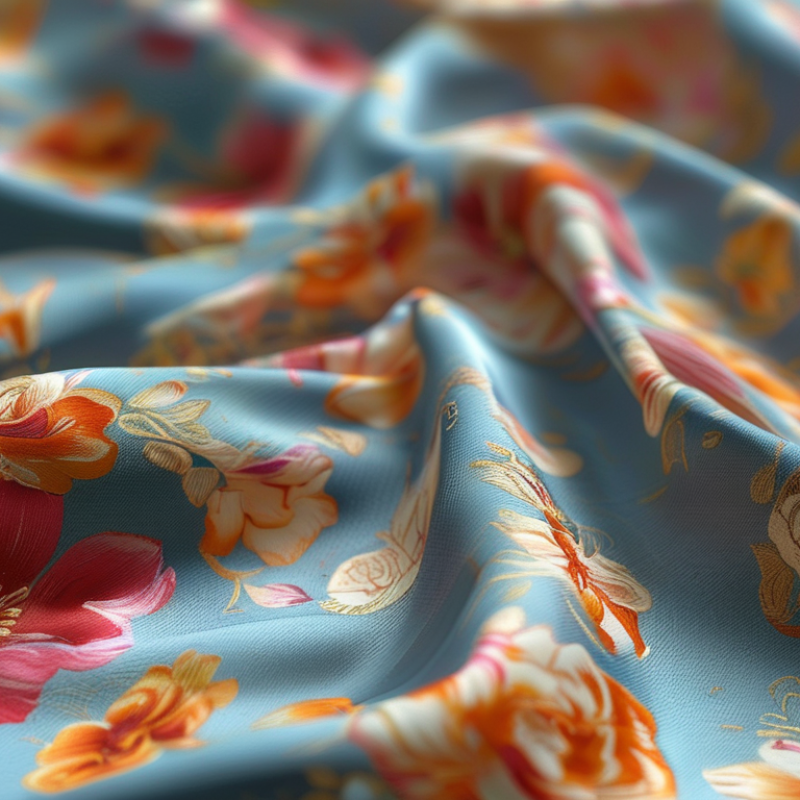
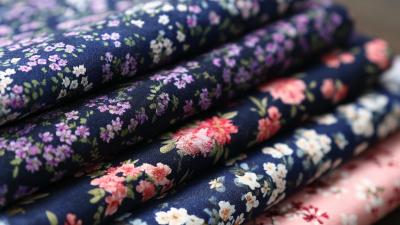
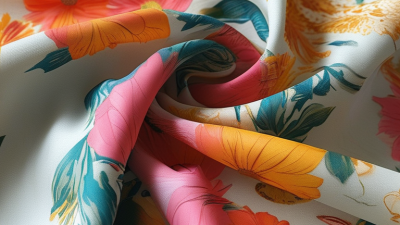
Floral silk satin fabric is a smooth textile woven from silk fibers, with printed or woven flower patterns on its surface. Its glossy face reflects light, while the reverse side usually feels duller. The satin weave creates a fluid drape and a soft touch. It can feel cool against the skin.
This fabric is valued for its rich appearance and lightweight movement. A well-made piece shows clear floral details, even color distribution, and minimal snags. During fabric inspections, I check the selvage, surface tension, and pattern alignment. These details often reveal production quality better than shine alone. Shine can mislead.
Silk satin also needs careful handling. It may crease easily, lose color under strong sunlight, or develop water marks after improper cleaning. Many buyers request a small sample before placing larger orders. This allows them to test shrinkage, colorfastness, opacity, and seam behavior. A supplier should provide fiber information, fabric weight, width, and care guidance.
Common uses include evening dresses, scarves, blouses, bridal accessories, pillow covers, and decorative panels. For warm climates, a lighter weight may improve comfort. Heavier satin can create a more structured silhouette. The floral scale matters too; large blossoms feel dramatic, while small prints suit everyday garments. My own preference is not always reliable, because lighting can change how the colors appear. Viewing samples in daylight remains a practical safeguard.
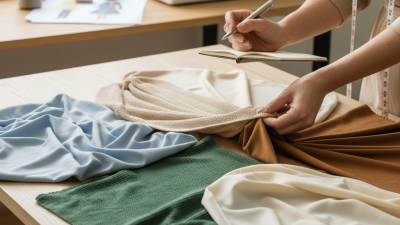
When comparing top floral silk satin fabric suppliers worldwide, evaluate evidence rather than attractive catalog images. Start with the fabric. Request a labeled sample showing fiber content, weight, width, weave, and finishing method. Real silk satin should have a smooth face, controlled sheen, and a stable drape. Small details matter.
Ask for test results covering colorfastness, shrinkage, seam slippage, and print durability. Floral patterns can lose definition when the weave is too loose or the printing pressure is uneven. Compare the sample with bulk-production standards, not only photographs. A reliable supplier should explain dyeing, inspection stages, packaging, and storage conditions in clear language. Vague answers deserve caution.
Production capacity also requires careful checking. Confirm minimum order quantities, sample lead times, repeat-order consistency, and shipping documents before making commitments. Traceable material records and recognized quality certifications can strengthen supplier credibility, but certificates should be verified and kept current. Communication is practical evidence: measured replies, accurate measurements, and prompt correction of errors often reveal more than polished presentations. No supplier is perfect. A sample may pass inspection while a later batch shows slight shade variation, so define acceptable tolerances in writing. That warning matters. Evaluate payment security, claims procedures, and replacement policies with equal care, especially when importing across different time zones and regulatory systems.
Asia remains a major sourcing region for floral silk satin, especially in China, India, Japan, and South Korea. Chinese mills often provide broad color ranges, digital floral printing, and flexible production volumes. Indian suppliers are known for decorative motifs and detailed surface work. Japanese and South Korean producers usually focus on refined finishing, controlled luster, and lightweight satin suitable for luxury garments. Buyers should request fabric swatches, fiber reports, and recent production samples before placing an order.
Europe offers strong options in Italy, France, Spain, and Portugal. European suppliers often emphasize design development, traceable fibers, and strict quality inspection. Their floral patterns may look more restrained, with softer tones and balanced repeats. Production costs can be higher. Still, consistency may justify the difference for premium collections. I have found that asking about shrinkage after cleaning prevents costly surprises, although some suppliers provide incomplete testing information.
Tips: Compare fabric weight, silk grade, print durability, and minimum order quantities by region. Check whether the satin has loose threads, uneven sheen, or color bleeding. Ask for a clear sample approval process. Do not rely only on catalog photographs. Lighting can mislead. A practical mistake is overlooking delivery timing during seasonal demand; allow extra weeks for sampling, customs, and quality corrections. In North America and Turkey, smaller specialist suppliers may offer responsive communication and custom floral development, but their available stock can be limited.
Choosing a floral silk satin supplier requires more than comparing fabric photographs.
Textile Exchange’s Materials Market Report 2024 estimated global fiber production at 124 million tonnes in 2023, with silk remaining a highly specialized fiber. This limited supply can create wider price differences between suppliers.
In practice, premium silk satin usually reflects mulberry silk content, filament length, weight, dye stability, and finishing precision. Ask for a 20–30 cm sample, not only a digital image. Feel the reverse side. Check whether floral printing bleeds after gentle washing.
A quotation should separate fabric cost, printing, sampling, packaging, and transport. Very low prices may indicate blended fibers, lighter weight, or unstable dyeing.
I have found that a 16–19 momme fabric often suits garments, while heavier satin can support robes and luxury accessories. These figures still vary by weave and finishing.
That is the uncomfortable part.
Certifications require precise reading. OEKO-TEX STANDARD 100 focuses on harmful-substance testing, while GOTS addresses certified organic fibers and processing requirements.
Neither certificate automatically proves superior softness or floral design quality. Request a current certificate, scope, transaction documents, and laboratory test results.
Customization should include color matching, repeat size, selvage treatment, roll length, and minimum order quantity. A supplier offering many options may still lack production discipline.
Confirm shade tolerances and approve a pre-production sample. According to ISO quality-management guidance, documented processes improve consistency, but paperwork alone cannot replace physical inspection.
Top Floral Silk Satin Fabric Suppliers Worldwide?
Choosing an international floral silk satin supplier requires more than attractive photos. Request a physical sample before discussing large quantities. Check the silk percentage, fabric weight, width, weave, and surface luster. Rub the fabric gently against white cotton. Loose dye transfer can reveal weak colorfastness. Inspect the reverse side, too. It often exposes uneven printing.
Ask the supplier for a technical sheet, production lead time, minimum order quantity, and current stock details. Confirm whether the floral pattern is digitally printed, screen printed, or woven. Each method affects detail, hand feel, and cost. A reliable supplier should explain tolerances clearly. Ask for recent inspection records and relevant material testing. These documents should match the actual fabric, not a standard template. Video inspections can help, but they cannot replace independent checking.
Payment and delivery terms deserve equal attention. Confirm packaging, fabric roll length, labeling, customs documents, and agreed trade terms in writing. Use a small trial order before committing to seasonal production. A sample may look perfect under showroom lighting but appear dull near a window. I once treated color approval as final and overlooked how the fabric behaved after pressing. That was a useful warning. Test shrinkage, crease recovery, seam slippage, and washing behavior where appropriate. Compare at least three quotations, but do not select the lowest price automatically. Very low pricing may hide reduced silk content, shorter rolls, or inconsistent dye lots. Be willing to pause when answers remain vague.