How to Choose the Best Stretch Softshell Fabric for Your Needs?
When selecting the best Stretch Softshell Fabric for your projects, expert insights can guide your choice. Renowned textile engineer Dr. Emily Tran states, "Understanding fabric properties is key to finding the ideal stretch softshell for any application." This quote underscores the importance of informed decisions.
Stretch Softshell Fabric is essential for outdoor activities and versatile clothing. It combines flexibility with protection against the elements. However, not all fabrics are created equal. Each type has unique characteristics that influence comfort and durability. Therefore, a thorough evaluation is necessary.
Consider factors such as breathability, water resistance, and weight. Each characteristic affects performance in specific conditions. While many options are available, choosing the wrong fabric can lead to discomfort or failure in demanding situations. Reflecting on your needs and the environments you will face is crucial. This thoughtful approach will enhance your experience with Stretch Softshell Fabric in practical applications.
Understanding Stretch Softshell Fabric: Definition and Characteristics
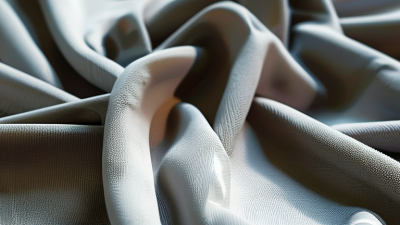
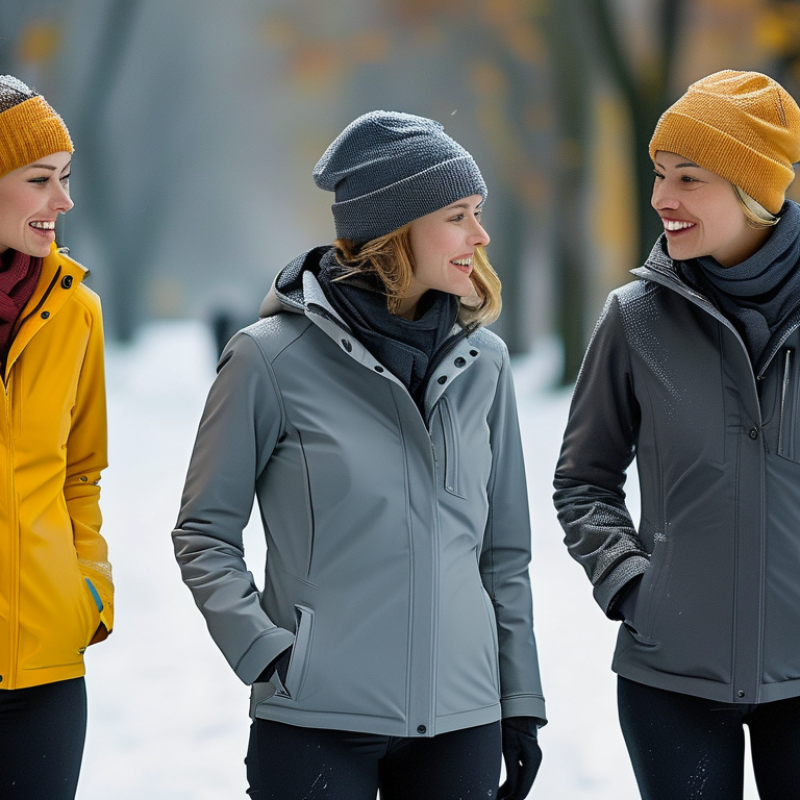
Stretch softshell fabric is a popular choice in outdoor clothing. It is designed to provide both comfort and functionality. This fabric is typically a blend of woven and knit structures, allowing for excellent stretch and movement. The fabric is also water-resistant, making it suitable for various weather conditions.
When evaluating stretch softshell fabric, consider its breathability. Some materials allow sweat to escape while maintaining warmth. This feature is essential for outdoor activities. Pay attention to the thickness of the fabric, as thicker options provide better insulation for colder climates. However, lighter fabrics are ideal for warmer weather, offering ease of movement.
Another critical factor is durability. The fabric should withstand wear and tear, especially during rugged adventures. Not all stretch softshells are equally resilient. Users might find that some fabrics easily lose their shape or water-repellent qualities over time. Testing different fabrics can reveal which suits your needs best. Selecting the right stretch softshell is a balance between comfort, climate, and durability.
Stretch Softshell Fabric Characteristics
This chart illustrates the characteristics of different types of stretch softshell fabrics based on their key attributes such as durability, water resistance, breathability, and stretchability.
Key Factors to Consider When Choosing Stretch Softshell Fabric
Choosing the right stretch softshell fabric involves assessing several key factors. Start with the fabric's weight. Lighter options suit milder climates, while heavier ones provide better insulation. Consider the stretchability as well. Fabrics with a higher spandex content will offer greater freedom of movement, making them ideal for activewear.
Next, examine the breathability properties. A breathable fabric helps regulate body temperature during vigorous activities. Waterproofing is another crucial characteristic to analyze. Look for a balance between water resistance and breathability; a fabric too waterproof may cause overheating. Pay attention to durability as well. Some fabrics wear out faster and lose their stretch over time.
Lastly, reflect on your specific activities and environment. A fabric that performs well for hiking may not be suitable for cycling. Testing patches in different conditions can help gauge their performance. Assessing personal preferences also plays a role. Do you prefer a tighter fit or a looser silhouette? Each choice leads to different outcomes. These reflections contribute to making an informed decision.
Types of Stretch Softshell Fabrics: Advantages and Disadvantages
When choosing stretch softshell fabrics, understanding their advantages and disadvantages is crucial. These fabrics often blend comfort with functionality. One popular type features a water-resistant exterior, great for outdoor activities. It allows breathability, which is essential when engaging in intense physical activities. The stretch component helps in movement, offering flexibility.
However, not all stretch softshell fabrics are created equal. Some can be heavier, which may feel restrictive during use. The durability varies too; cheaper options may wear out quickly, leading to disappointment in performance over time. Another downside is that they can be difficult to clean, as dirt can cling to the outer surface.
Consider your specific needs before making a decision. Will you use it for hiking, skiing, or everyday wear? Often, the fabric's weight and stretchiness influence your comfort level. Pay close attention to features like water resistance and breathability. Finding the right balance between these factors can help ensure your fabric choice meets your demands effectively.
Evaluating Performance Features: Breathability, Water Resistance, and Durability
When choosing a stretch softshell fabric, it's crucial to evaluate its performance features. Breathability is essential for outdoor activities. A good fabric allows moisture to escape, keeping you dry. This is particularly important during strenuous activities like hiking. You want a fabric that doesn't trap heat. Look for materials that have tested breathability ratings.
Water resistance is another key factor. Some fabrics repel water effectively, while others are merely water-resistant. This distinction is vital for wet conditions. Ensure you understand the difference. A highly water-resistant fabric may keep you dry longer. However, even the best options may struggle during a heavy downpour.
Durability also plays a significant role. Fabrics should withstand wear and tear over time. Check if the material can resist abrasions, especially if you plan to use it for rugged activities. But be aware: a strong fabric may feel less flexible. Balancing durability and comfort is often a matter of personal preference. Reflection on your priorities will guide your decision.
How to Choose the Best Stretch Softshell Fabric for Your Needs?
| Fabric Type |
Breathability (g/m²/24h) |
Water Resistance (mm) |
Durability (Martindale Abrasion Test) |
Weight (g/m²) |
| Type A |
1000 |
5000 |
50,000 |
200 |
| Type B |
1500 |
3000 |
70,000 |
250 |
| Type C |
1200 |
4000 |
60,000 |
220 |
Cost vs. Quality: Finding the Right Balance for Your Budget
When selecting
stretch softshell fabric, balancing cost and quality is crucial. A recent industry report indicates that up to 70% of fabric buyers prioritize performance over price. However, this pursuit often leads to overextending budgets. Many manufacturers offer low-cost alternatives that compromise durability and weather resistance. This can result in a higher long-term cost as lower-quality fabrics may wear out quickly.
Research suggests that investing in higher-quality materials can yield better outcomes. For example, high-quality softshell fabrics typically feature advanced moisture-wicking properties. These options can enhance user comfort during outdoor activities. In fact, fabrics with higher breathability can increase performance by as much as 30% during intense workouts.
Yet, the decision remains complex. While premium fabrics provide reliable performance, they also come at a price. It's essential for buyers to assess their specific needs carefully. Sometimes, a mid-range option can offer adequate performance for casual use without breaking the bank. Finding this balance between cost and quality requires critical thinking and self-assessment.
What is really necessary? What can be compromised? These questions are vital in making the best choice for your needs.