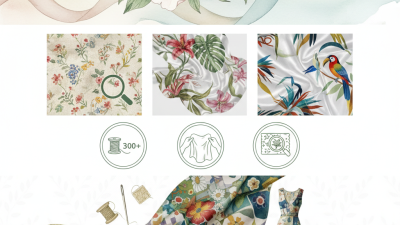
How to Choose the Best Floral Print Silk Fabric for Your Needs?
Choosing the best Floral Print Silk Fabric can significantly impact your fashion creations. The right selection enhances aesthetics and influences draping and comfort. According to the Textile Institute, the silk fabric market is projected to grow by 4.5% annually, indicating a robust interest in quality textiles.
Expert designer Maria Chen emphasizes, "The beauty of floral prints is in their ability to tell a story." This highlights the importance of selecting the right pattern and silk quality. When choosing floral print silk, consider elements like weight, texture, and sheen. Each detail can alter the overall effect of your design.
Yet, aspects such as budget and sustainability often complicate this decision. Many designers may overlook ecological impacts in pursuit of stunning prints. As you delve into Floral Print Silk Fabric options, reflect on both beauty and practicality. The fabric must align with your creative vision while being mindful of the environment.
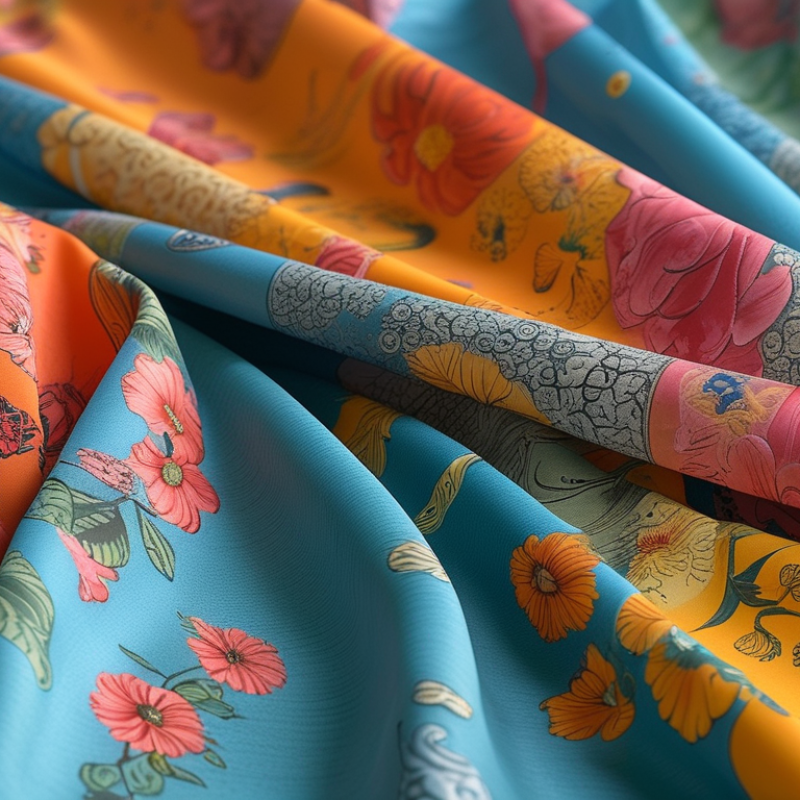
Factors to Consider When Choosing Floral Print Silk Fabric
When it comes to choosing the best floral print silk fabric, several factors come into play. The quality of silk is paramount. Look for a smooth finish and a rich feel. The best fabrics have a slight sheen. Consider the weight as well. Lighter silks drape beautifully, while heavier options offer more structure.
The print itself deserves attention. Analyze the color palette and design scale. Bold, large florals can make a statement. Smaller patterns offer a more subtle look. Reflect on how these designs align with your personal style. Test the fabric’s breathability too. It should feel comfortable against your skin.
Don't overlook care instructions. Some silks require dry cleaning only. Others may be washable but need delicate handling. Think about your lifestyle when making a choice. Will you actually maintain it, or will it gather dust? It’s crucial to find a balance between beauty and practicality in your selection.
Understanding Different Types of Floral Prints and Their Characteristics
When selecting floral print silk fabric, it's essential to understand the different types of floral prints available. Each print carries its unique characteristics, which affect the fabric's style and use. For instance, large, bold florals can create a statement piece in any wardrobe. They draw attention and provide a sense of drama. Smaller, delicate prints often convey a softer, more romantic feel. They are perfect for blouses or scarves.
Beyond size, color plays a vital role in floral fabrics. Vivid colors can evoke feelings of energy and excitement. Muted tones may create a more sophisticated, elegant look. Additionally, think about the arrangement of flowers. Placement prints can focus on specific areas, allowing for creative use in garment design. All of these elements work together to create a fabric that suits your personal style and needs.
However, choosing the right floral print is not always straightforward. You might initially be drawn to a fabric that later feels overwhelming when worn. It's crucial to consider how the print interacts with other elements in your wardrobe. Test out different combinations. Reflect on your choices, and don't hesitate to seek advice from others. An informed decision will lead to a fabric that brings joy and confidence when worn.
Evaluating Fabric Weight and Drapability for Your Project Needs
When choosing floral print silk fabric, fabric weight and drapability are essential factors. The fabric's weight affects how it hangs and moves. Lightweight silk is airy and flows beautifully, making it ideal for summer dresses and blouses. However, heavier silk holds its shape better, suitable for structured garments or tailored pieces.
Drapability comes into play when considering the design of your project. Fabrics with good drape create soft, flowing silhouettes. They enhance the movement of the garment. Fabrics with less drapability may appear stiff and lack elegance. It is crucial to assess how the fabric behaves when you sew it. Testing a small piece can reveal its true nature.
Understanding these nuances can lead to better choices. Experimenting with different weights and drapability informs your decisions. It can also highlight the fabric's limitations. Crafting the perfect piece demands careful consideration of these elements. Balancing aesthetics with functionality can be challenging, but it is vital for achieving the desired outcome.
Assessing Color Schemes and Patterns to Match Your Style
When assessing color schemes for floral print silk fabric, consider your personal style. Warm colors like reds and yellows evoke energy. Cool tones such as blues and greens bring calmness. Analyze your wardrobe. Do you mostly wear neutrals? A vibrant floral might add a pop that makes outfits exciting.
Patterns are equally crucial. Large, bold designs can make a statement, while smaller prints offer subtle elegance. Think about the occasions you’ll wear the fabric. A lively floral might suit informal gatherings, while a delicate pattern may excel in formal settings.
Reflect on your choices. Does that bright print truly resonate with you? Sometimes, we choose what’s trendy rather than what feels right. Trust your instincts and find floral designs that blend authenticity with personal style. Finding the right fabric is a journey rather than a destination.
How to Choose the Best Floral Print Silk Fabric for Your Needs?
| Fabric Type |
Color Scheme |
Pattern Style |
Best For |
| Crepe Silk |
Pastel Colors |
Watercolor Floral |
Casual Dresses |
| Satin Silk |
Bold Colors |
Baroque Floral |
Evening Gowns |
| Charmeuse Silk |
Dark Colors |
Vintage Floral |
Special Occasions |
| Georgette Silk |
Neutral Tones |
Mini Floral |
Blouses and Tops |
| Taffeta Silk |
Vibrant Colors |
Graphic Floral |
Formal Wear |
Determining Your Budget and Quality Expectations for Silk Fabric
Determining your budget and quality expectations for silk fabric is crucial. Silk is known for its luxurious feel and elegant appearance. However, the price can vary significantly based on its grade. Reports indicate that high-quality silk can cost between $20 to $100 per yard. Factors impacting this cost include fiber quality, weaving technique, and dyeing process.
Understanding your budget helps narrow your choices. For instance, if seeking vibrant floral prints, you might find that printed silk twill tends to be more affordable than silk satin. Industry experts often recommend allocating at least 20% of your budget to quality over quantity. A good assessment involves feeling the fabric. Does it have a smooth, soft touch?
Quality can also affect durability. Lower-grade silk may not withstand frequent wear or washing, leading to fading and fraying. Critics argue that saving on initial costs can incur future expenses for replacements. Ultimately, balancing budget with quality expectations ensures that you select a silk fabric that delivers both aesthetic appeal and lasting value.