Leave Your Message

Why Choose Stretchable Nylon Fabric for Your Next Project?

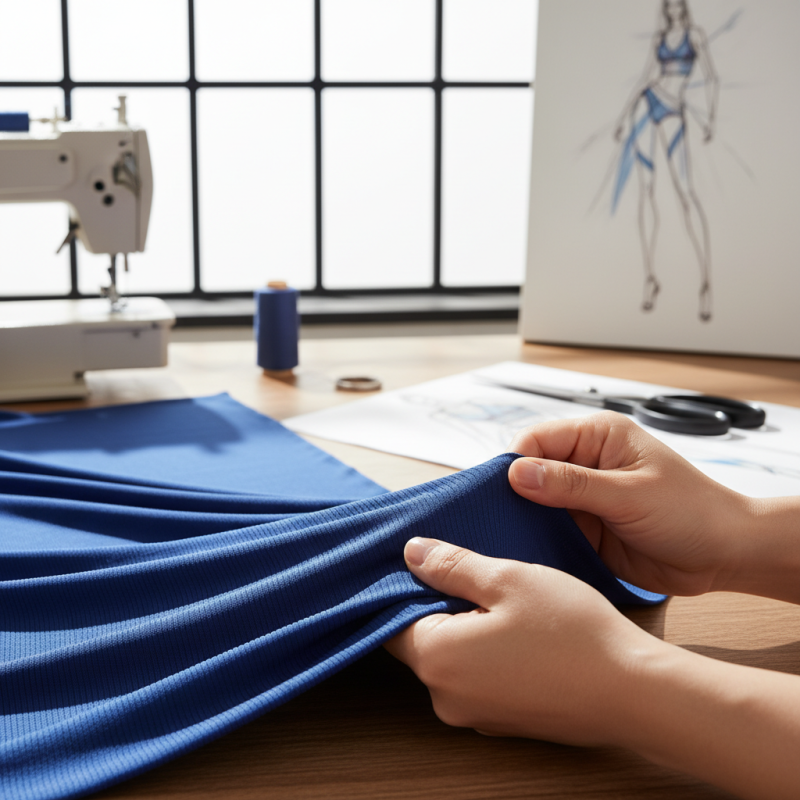
When embarking on your next project, you might wonder about fabric choices. One standout option is Stretchable Nylon Fabric. This material offers unique advantages that can enhance your creations. Its elasticity makes it perfect for various applications, from activewear to innovative fashion.

Stretchable Nylon Fabric is known for its durability and adaptability. It withstands wear and tear, making it reliable for everyday use. Additionally, it provides comfort, allowing free movement for the wearer. The ability to stretch and recover shapes sets it apart from traditional fabrics. But choosing the right fabric also requires understanding its limitations. For instance, it can sometimes lose shape after extended use.

Reflecting on your design needs and intended outcomes is crucial. Think about how Stretchable Nylon Fabric can elevate your project. Whether it’s a new athletic line or a trendy outfit, this fabric can meet expectations. Consider your options carefully and explore what this remarkable material can offer.
Why Choose Stretchable Nylon Fabric for Your Next Project?

Benefits of Stretchable Nylon Fabric in Diverse Applications

Why Choose Stretchable Nylon Fabric for Your Next Project?

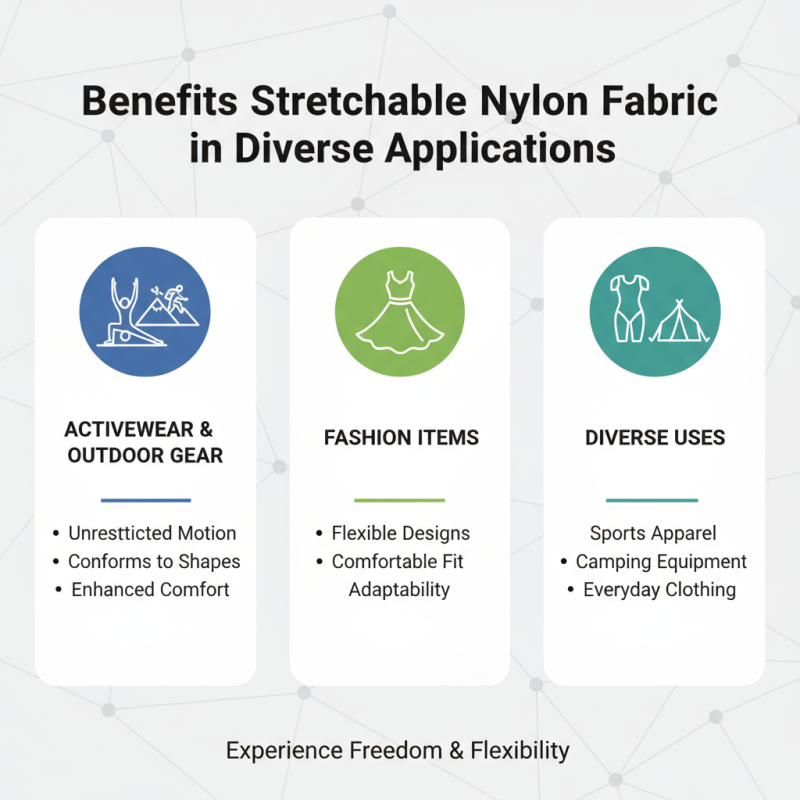
Stretchable nylon fabric has gained popularity in various applications for several compelling reasons. Its flexibility allows it to conform to different shapes, making it ideal for activewear, outdoor gear, and even fashion items. This unique property enhances comfort and movement. Whether you’re climbing mountains or practicing yoga, this fabric provides unrestricted motion.

One of the standout benefits is its durability. Stretchable nylon resists wear and tear, ensuring long-lasting use. It also dries quickly, making it suitable for both wet and dry conditions. However, some users have noted that while the fabric is strong, it can lose elasticity over time with frequent use. This raises questions about sustainability and the lifecycle of apparel made from this material.

Another aspect worth mentioning is breathability. The fabric allows air circulation, keeping the wearer comfortable during physical activities. However, in extremely hot conditions, it may not perform as well as other materials. Careful consideration is needed when selecting the right fabric for specific environments. Overall, stretchable nylon fabric offers diverse benefits, but it’s essential to weigh these against potential drawbacks for optimal results in your projects.


Mechanical Properties of Stretchable Nylon: Strength and Durability

Stretchable nylon fabric has garnered attention in various applications due to its remarkable mechanical properties. This fabric combines strength with flexibility, making it suitable for a wide range of projects. Its unique ability to stretch allows it to absorb stress without losing shape. This is crucial for items like activewear or outdoor gear, where movement and durability are essential.

The strength of stretchable nylon lies in its fiber composition. It can withstand significant loads, making it ideal for high-performance uses. Users often report that their projects maintain integrity even after prolonged use. Yet, it's important to consider that the durability of nylon may depend on environmental factors. Prolonged exposure to sunlight can weaken the fibers.

Some people may find that not all stretchable nylon fabrics are equal. Varieties may differ in their elasticity and resistance. It's wise to test samples to ensure they meet the intended needs. Users should keep this in mind when selecting materials for their next project to achieve the best results.

Breathability and Moisture-Wicking Features of Stretchable Nylon

Stretchable nylon fabric is an excellent choice for projects that require breathability and moisture-wicking capabilities. Research from the Textile World reveals that nylon fibers can absorb up to 8.5% moisture, while still allowing for fast drying. This feature is crucial for activewear and outdoor gear, where sweat management is a priority. The ability to wick moisture away from the skin keeps the wearer comfortable during physical activity.

Furthermore, the breathability of stretchable nylon plays a vital role in temperature regulation. According to the International Journal of Clothing Science and Technology, synthetic fibers like nylon allow for better airflow compared to natural fibers. As a result, wearers experience reduced overheating during exercise. The lightweight nature of stretchable nylon contributes significantly to this effect, making it ideal for layering in various weather conditions.

However, while stretchable nylon has many advantages, there are considerations to reflect upon. Some users report that nylon can feel less comfortable during prolonged wear due to its synthetic nature. Additionally, while nylon is durable, it can be less eco-friendly compared to alternatives like organic cotton. Understanding these trade-offs is essential for making informed choices in fabric selection.

Why Choose Stretchable Nylon Fabric for Your Next Project?

Feature Description
Breathability Allows air circulation, helping to keep the body cool and comfortable during physical activities.
Moisture-Wicking Draws sweat away from the skin, keeping the wearer dry and comfortable.
Stretchability Offers excellent flexibility and movement, making it ideal for active wear and fitted garments.
Durability Resistant to wear and tear, ensuring longevity even with regular use.
Lightweight Provides comfort without the bulk, making it perfect for layering or wearing on its own.
Versatility Suitable for various applications including activewear, swimwear, and casual clothing.

Global Market Trends: Demand for Stretchable Nylon in Apparel Industry

Why Choose Stretchable Nylon Fabric for Your Next Project?

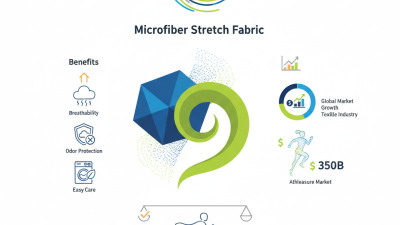
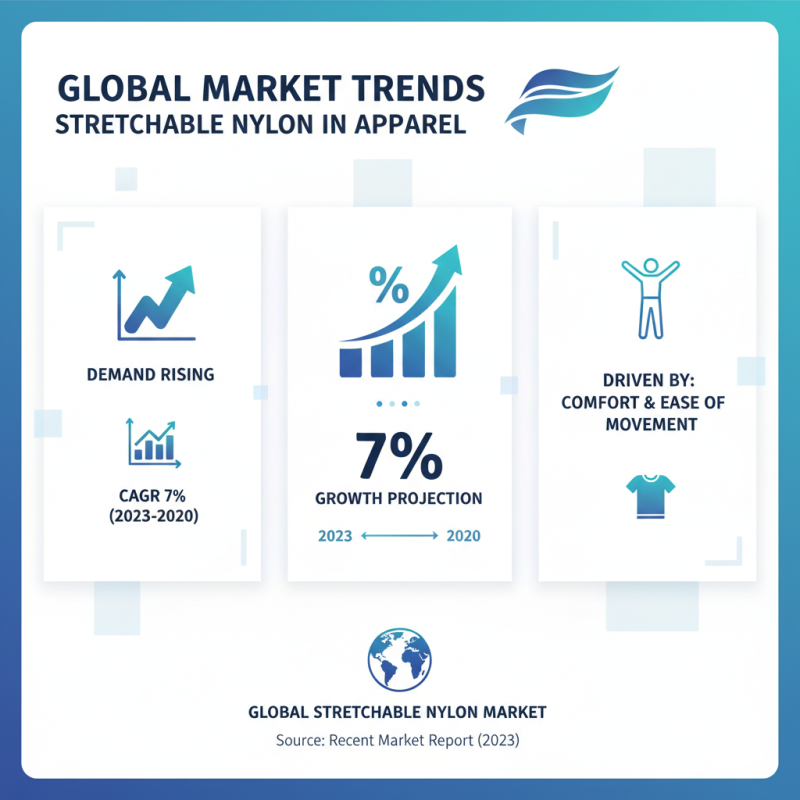
The demand for stretchable nylon fabric in the apparel industry is rapidly rising. According to a recent market report, the global stretchable nylon market is projected to grow at a CAGR of 7% from 2023 to 2030. This growth is primarily driven by the increasing preference for comfort in clothing. Consumers now seek fabrics that allow ease of movement.

Stretchable nylon offers a perfect blend of durability and flexibility. Its moisture-wicking properties make it ideal for activewear. Moreover, the rise of athleisure trends has pushed brands to incorporate more stretchable nylon in their collections. However, while the popularity is evident, not all stretchable nylon fabrics are created equal. Some cheaper options may lack breathability or long-lasting durability.

**Tip:** When choosing stretchable nylon, look for options with added spandex for enhanced elasticity. This offers better shape retention over time. Prioritize researching your suppliers to ensure fabric quality. It's essential to balance cost and performance.

As consumer preferences shift, brands must adapt their offerings. Incorporating stretchable fabrics is crucial, but they also need to consider sustainable options. The environmental impact of synthetic fibers remains a concern. Thus, thoughtful sourcing is necessary to meet customer expectations while being environmentally responsible.

Sustainability Considerations in the Production of Nylon Fabric Products

Sustainability is a growing concern in the textile industry. The production of nylon fabric has environmental implications. Traditional nylon is derived from petroleum, contributing to carbon emissions. This prompts the need for more sustainable alternatives.

Newer production methods aim to reduce environmental impacts. Recycling old nylon materials is one such approach. This process lessens waste and minimizes the need for virgin resources. Companies are exploring bio-based nylon, derived from renewable sources. While these methods show promise, they still face challenges. Not all recycled nylon retains the same quality as virgin nylon.

Consumers are becoming more aware. They demand transparency from manufacturers regarding their practices. It’s essential for brands to highlight their sustainability efforts. However, not all claims are genuine. Some companies may exaggerate their eco-friendly credentials. This creates confusion in an already complicated market. Continuous improvement and genuine commitment to sustainability are crucial for the future.