Choosing the best Microfiber Stretch Fabric begins with understanding how the fabric will perform in real use. A soft sample may feel excellent in your hand, yet fail after repeated washing. In my experience, comfort, recovery, durability, and appearance must be evaluated together. Microfiber usually offers a smooth surface and fine hand feel. Stretch fibers can improve movement and garment fit. However, the wrong blend may lose shape, pill, or trap excessive heat.
Look closely at fiber composition, fabric weight, stretch percentage, and recovery. A fabric for activewear needs different performance from one used in lingerie or fitted uniforms. Check whether the fabric returns quickly after being stretched around a mannequin or chair back. Small tests matter. Wash samples under expected conditions, then inspect shrinkage, color retention, seams, and surface changes. Ask suppliers for technical specifications and reliable test reports. Certifications can support responsible sourcing, but they should be verified rather than accepted automatically.
There is no single “best” option. That assumption often causes expensive mistakes. A high-stretch fabric may feel comfortable but provide weak support. A heavier fabric may look premium but reduce breathability. Even expert recommendations need context. Consider production quality, climate, care instructions, target users, and final garment structure. Compare several samples before committing to bulk orders. Record your observations honestly, including weaknesses and uncertain results. This practical approach combines textile knowledge with direct testing, helping buyers select Microfiber Stretch Fabric with greater confidence and fewer surprises.

How to Choose the Best Microfiber Stretch Fabric
Microfiber Stretch Fabric Defined: Filaments Finer Than 1 Denier
Microfiber stretch fabric uses extremely fine filaments, usually below one denier. One denier measures the weight of 9,000 meters of fiber. A lower value creates a softer surface and tighter fabric coverage. It can also improve moisture movement and reduce a harsh hand feel.
The definition needs care. Some suppliers use “microfiber” as a general marketing term. Ask for the filament specification, not only the fabric name. In laboratory sourcing, I would check yarn data, fabric weight, stretch recovery, and shrinkage after washing. Textile Exchange reported global fiber production at about 124 million tonnes in 2023. Its Materials Market Report 2024 expects production to approach 160 million tonnes by 2030. That growth increases the need for measurable material claims. Still, fiber fineness alone does not guarantee better performance.
Tips: Request a test report showing denier, elastane percentage, and recovery after repeated extension. Test a fabric swatch under dry and damp conditions. Notice pilling, cling, and transparency. Check both directions.
A practical choice balances softness with structural stability. Very fine filaments may feel luxurious, yet they can demand careful knitting and finishing. Stretch recovery also depends on construction, not just fiber content. I have seen attractive samples lose shape after limited laundering. That is easy to overlook. For reliable selection, compare identical swatches through washing, abrasion, and repeated stretching before approving bulk production.
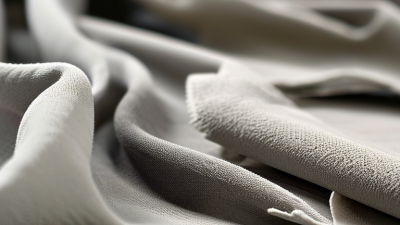
Denier measures the mass in grams of 9,000 meters of filament. A microfiber filament is commonly defined as finer than 1 denier. Lower denier values indicate finer filaments, which can help create a softer hand feel and a denser fabric surface. When selecting microfiber stretch fabric, balance filament fineness with stretch recovery, durability, construction, and end-use requirements.
How to Choose the Best Microfiber Stretch Fabric
Fiber composition controls softness, recovery, drying speed, and service life. Polyester remains the practical baseline. Textile Exchange’s Materials Market Report 2024 estimates polyester represented about 57% of global fiber production in 2023. It offers low moisture absorption, strong color retention, and dependable abrasion resistance. Nylon usually feels smoother and stronger, but it can cost more and absorb slightly more moisture. The Fiber Year 2024 places polyamide production near 5% of global fiber output, showing its more specialized position.
Elastane changes the fabric’s behavior dramatically. A 5% blend can provide comfortable movement for fitted shirts and light sportswear. Around 10–15% creates stronger compression and recovery. A 20% blend feels highly elastic, but may need careful heat control during finishing and laundering. I have found that high stretch does not always mean better comfort. A dense polyester base can feel warm against skin. This is where testing matters.
Tips: Match the blend to the garment’s movement. Choose polyester with 5–8% elastane for durable everyday wear. Consider nylon with 10–20% elastane for smooth, close-fitting garments. Test recovery after repeated stretching, washing, and drying. Check the fabric after 30 minutes on a form. It may surprise you. Also measure pilling, spirality, and color change, not just initial softness. Some production decisions still rely too much on hand feel; that is convenient, but imperfect.
| Fiber Composition | Stretch and Recovery | Softness and Hand Feel | Moisture Management | Drying Speed | Abrasion Resistance | UV and Chlorine Considerations | Shape Retention | Relative Cost | Best Use |
|---|---|---|---|---|---|---|---|---|---|
| 100% Polyester Microfiber | Minimal mechanical stretch; recovery depends mainly on knit or weave construction. | Smooth, lightweight, and often slightly less supple than nylon. | Low moisture regain; moves liquid away from the skin when engineered with suitable yarn and fabric construction. | Very fast. | ★★★★☆ Generally high, especially for tightly constructed fabrics. |
Good general resistance to sunlight; chlorine resistance is often better than elastane-containing fabrics, but dye and finish performance vary. | Very good when the fabric is not highly stretched during use. | Low to medium | Lightweight activewear, uniforms, linings, travel clothing, and quick-dry garments. |
| 100% Nylon Microfiber | Minimal mechanical stretch; naturally flexible but does not provide true elastic recovery without elastane. | Typically softer, smoother, and silkier than polyester. | Low moisture regain; can feel clammy when saturated unless the fabric is designed for wicking and rapid evaporation. | Fast. | ★★★★★ Excellent resistance to repeated rubbing in many apparel constructions. |
Can be more sensitive to prolonged sunlight than polyester; chlorine exposure may weaken or discolor some nylon fabrics. | Good, but permanent deformation can occur if repeatedly stretched without elastane. | Medium to high | Soft performance apparel, hosiery, swimwear bases, lingerie, and close-to-skin garments. |
| 95% Polyester / 5% Elastane | Light stretch with moderate recovery; suitable for comfort ease and gentle movement. | Smooth and lightweight with a modestly elastic hand feel. | Fast-drying polyester performance with added comfort from elastane. | Very fast. | ★★★★☆ Good, although elastane can be the first component affected by heat, chemicals, and excessive tension. |
Good overall, but high heat, concentrated chlorine, and prolonged UV exposure can reduce elastane life. | Very good for lightly fitted garments. | Low to medium | T-shirts, casual stretch garments, base layers, uniforms, and lightweight travel apparel. |
| 90% Polyester / 10% Elastane | Moderate two-way or four-way stretch, depending on fabric construction; reliable recovery for fitted clothing. | Smooth, flexible, and body-skimming. | Fast-drying and generally suitable for moisture-wicking designs. | Very fast. | ★★★★☆ Good for everyday activewear; surface pilling depends on yarn, knit, and finishing. |
Good polyester base performance, but elastane requires protection from excessive heat, chlorine, and UV. | Excellent for regular movement and repeated wear. | Medium | Leggings, training tops, dancewear, fitted sportswear, and stretch uniforms. |
| 85% Polyester / 15% Elastane | High stretch with strong recovery; supports compression and close-fitting designs. | Very flexible and smooth, with a more elastic and supportive feel. | Fast-drying, although higher elastane content can slightly reduce moisture transport per unit of fabric mass. | Fast to very fast. | ★★★☆☆ Good, but repeated high extension places greater stress on the elastic component. |
Polyester provides useful durability, while elastane remains vulnerable to high heat, chlorine, oils, and prolonged sunlight. | Excellent when properly knitted, finished, and cared for. | Medium | Compression garments, yoga wear, cycling apparel, swim-related activewear, and performance leggings. |
| 80% Polyester / 20% Elastane | Very high stretch and recovery; appropriate for maximum mobility and body-contouring fit. | Highly elastic, supportive, and close fitting; may feel warmer than lower-elastane blends. | Generally fast-drying, but performance depends strongly on fabric weight, knit structure, and finishing. | Fast. | ★★★☆☆ Good when well constructed, but less tolerant of excessive heat and chemical exposure. |
Polyester offers useful light resistance; the high elastane percentage requires careful control of chlorine, heat, oils, and UV exposure. | Excellent for high-stretch garments, provided laundering and heat exposure are controlled. | Medium to high | High-compression sportswear, gymnastics clothing, performance dancewear, and highly fitted garments. |
| 95% Nylon / 5% Elastane | Light stretch with moderate recovery and a naturally flexible drape. | Very soft, smooth, and silky; often comfortable against the skin. | Low moisture regain with fast evaporation when engineered for wicking. | Fast. | ★★★★★ Excellent for many close-fitting apparel applications. |
More sensitive to prolonged UV exposure and chlorine than many polyester blends; elastane adds further care requirements. | Very good for light to moderate stretch needs. | Medium to high | Soft base layers, lingerie, hosiery, fitted tops, and lightweight intimate apparel. |
| 90% Nylon / 10% Elastane | Moderate to high stretch with good recovery and a comfortable body-contouring fit. | Soft, smooth, and more supple than most polyester equivalents. | Fast-drying; comfort is strongly influenced by fabric weight and knit design. | Fast. | ★★★★☆ Very good, with excellent flexibility for repeated movement. |
Requires care with prolonged sunlight and chlorine; elastane should not be exposed to excessive heat. | Excellent for fitted garments and frequent movement. | High | Premium-feel activewear, swimwear, dancewear, shapewear, and performance underwear. |
| 85% Nylon / 15% Elastane | High stretch and recovery with a soft, supportive fit. | Very soft, smooth, and elastic; typically offers a premium next-to-skin feel. | Fast-drying, but higher fabric density or compression can slow evaporation. | Fast. | ★★★★☆ Very good, although repeated high extension increases elastane stress. |
More vulnerable to chlorine and prolonged UV exposure than polyester-rich alternatives; follow care instructions closely. | Excellent when heat and chemical exposure are controlled. | High | High-performance leggings, swimwear, compression apparel, and technical bodywear. |
| 80% Nylon / 20% Elastane | Very high stretch and recovery with a highly supportive, body-contouring fit. | Extremely soft, smooth, and elastic; usually offers the most luxurious hand feel in this comparison. | Fast-drying, although compression and fabric thickness affect moisture release. | Fast. | ★★★☆☆ Good, but high elastane content requires careful processing and laundering. |
Most sensitive in this group to chlorine, heat, oils, and prolonged UV exposure; polyester-rich options generally offer better light stability. | Excellent for maximum-stretch products when properly cared for. | High | Premium swimwear, compression garments, shapewear, elite performance apparel, and extreme-mobility designs. |
When choosing microfiber stretch fabric, start with weight, not appearance. Fabric weight is measured in grams per square meter, or GSM. For shirts, base layers, leggings, and fitted fashion pieces, 120–180 GSM usually offers a balanced handfeel. It stays light against the skin and dries quickly. A 2024 Textile Exchange Materials Market Report estimated global fiber production at 124 million tonnes in 2023. That scale makes fiber efficiency important, but lower GSM does not automatically mean better sustainability.
For activewear, consider 200 GSM or higher. The added mass can improve opacity, abrasion resistance, and body coverage during squats or repeated movement. It may also support stronger compression, depending on the knit structure and elastane content. Too heavy, though, can trap heat and slow drying. The report from the Global Sportswear Market Research Association recorded continued demand for performance clothing in 2024, yet market growth alone does not define a suitable fabric specification. I would test a 220 GSM swatch before approving production.
Check stretch and recovery after washing. Pull the fabric across a 10-centimeter mark, then measure its return after thirty minutes. Inspect the surface under bright light. Microfiber can look smooth but still show shine at high tension. I have rejected attractive samples for this reason. GSM is useful, but it is not a quality score. Knit density, yarn fineness, finishing, and sewing tension can change the final garment more than weight alone.
Microfiber stretch fabric can feel excellent in the hand yet perform poorly in production. I check both stretch and recovery before judging quality. ASTM D2594 suits knitted fabrics with low-power stretch. ASTM D3107 applies to woven fabrics made with stretch yarns. Choosing the wrong method can create misleading results.
Condition specimens under the required laboratory atmosphere before testing. Cut samples in both lengthwise and crosswise directions. Mark the fabric carefully. For ASTM D2594, measure the extension produced by a specified load, then observe recovery after removing it. For ASTM D3107, evaluate stretch and growth after controlled loading. Keep the load, waiting time, and specimen size consistent. Small differences matter.
Watch the fabric, not only the numbers. A microfiber sample may stretch smoothly but recover slowly around a knee or elbow. Another may recover well but feel restrictive during movement. I record the original length, loaded length, and recovered length beside each result. My first tests sometimes used uneven specimen edges. The data looked precise, but the method was weak. That mistake taught me to inspect cutting, clamping, and conditioning more carefully. A practical review should also include repeated loading, seam areas, and fabric appearance after testing. One test is not enough. Recovery can change after washing, heat exposure, or extended wear.
When choosing microfiber stretch fabric, colorfastness and fabric weight deserve close inspection.
A soft hand feel can hide weak dye performance. AATCC 61 evaluates colorfastness under accelerated laundering conditions. It does not perfectly reproduce every household wash. Still, it reveals serious bleeding or shade change risks.
Ask for a complete test report, not only a passing statement. Check the test date, fabric lot, washing temperature, detergent conditions, and rating method. Compare the original swatch with the tested sample under neutral light.
Dark navy, black, and saturated red often need extra attention. A gray-scale rating can show small changes that casual inspection misses. I would also test the actual stretch fabric, because elastane content and finishing treatments may affect results.
ASTM D3776 measures fabric weight
ASTM D3776 measures fabric weight, usually in grams per square meter. Confirm which procedure was used and whether the sample was conditioned before testing.
Cut several areas, including edges and the center. Weight can vary across a knitted roll. A fabric listed at 180 GSM may perform differently if its actual range is 168 to 192 GSM.
That difference affects coverage, recovery, drying time, and production yield.
Do not trust one swatch.
My own checking can be imperfect. A laboratory result may look precise, while cutting, moisture, and sampling still introduce variation.
Record every detail, retain sealed samples, and question results that seem unusually favorable.